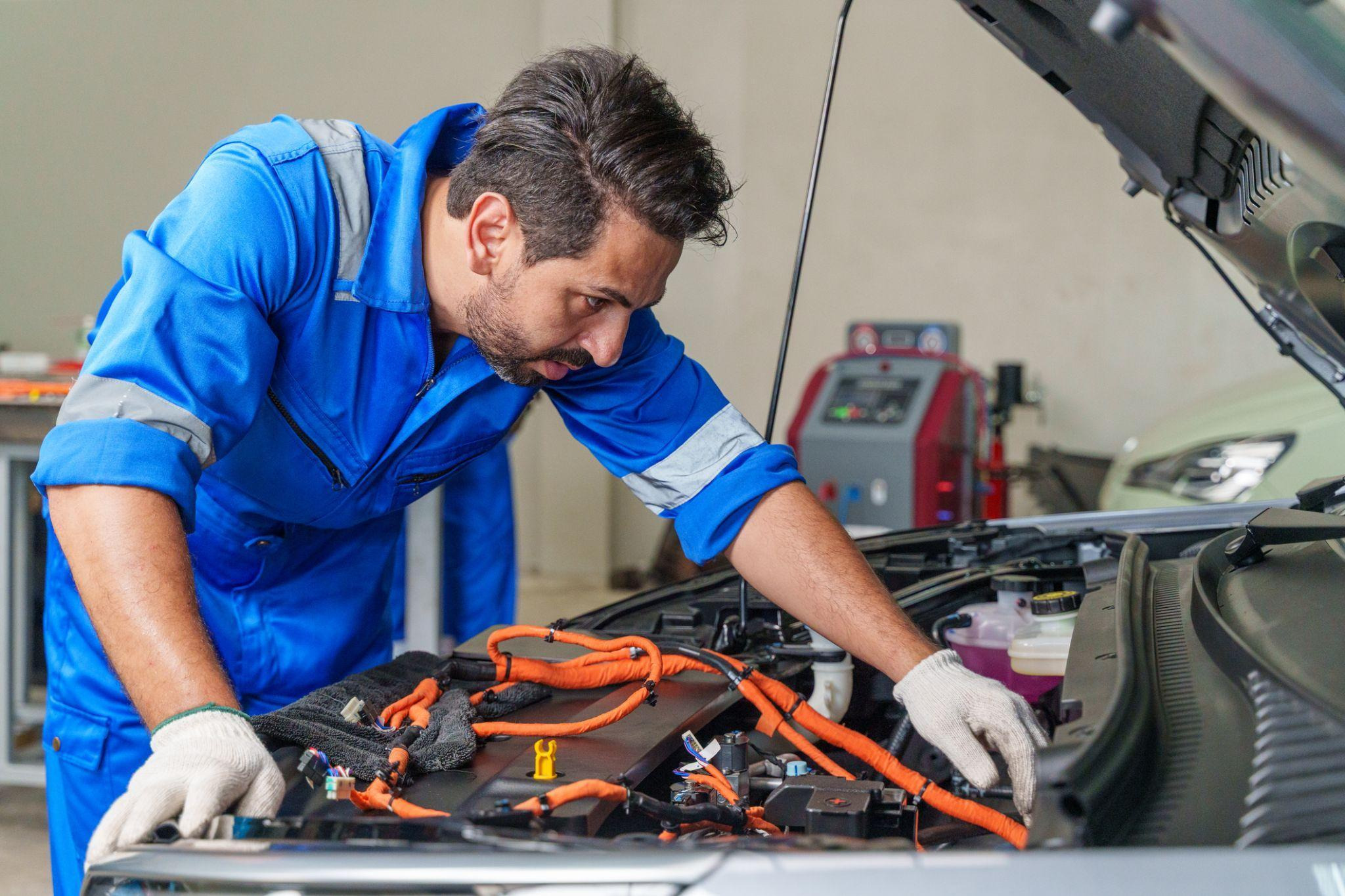
Plug-In Hybrid Fuel Systems: Why Stale Fuel and Engine Run Cycles Matter
In Brief: Plug-In Hybrid Maintenance And Stale Fuel
Plug-in hybrid maintenance requires attention to systems that conventional gasoline and fully electric vehicles do not share. Because a plug-in hybrid electric vehicle (PHEV) can complete many trips using battery power, gasoline may remain in its tank for extended periods. Technicians need to understand fuel age, engine run cycles, manufacturer maintenance requirements, and the relationship between the combustion and electric sides of the drivetrain.
Imagine owning a plug-in hybrid and completing most of your daily commute without hearing the gasoline engine start. That’s one of the attractions of a PHEV, but it also creates an unusual maintenance situation. If the engine isn’t being used regularly, neither is the gasoline sitting in the tank.
That makes fuel condition an important part of plug-in hybrid maintenance. Future technicians need to understand that maintaining an electrified vehicle isn’t limited to its battery and electric motor. A PHEV still has an internal combustion engine and fuel system that must remain ready to operate, even after long stretches of electric driving.
Can Gasoline Go Stale in a Plug-In Hybrid?
Yes. Gasoline changes as it ages, and extended storage can affect its performance. This issue can be particularly relevant for drivers whose PHEVs complete most short trips in electric mode.
Depending on the vehicle, driving habits, environmental conditions, and fuel, aged gasoline may contribute to:
- Difficult starting
- Rough engine operation
- Hesitation
- Reduced performance
- Fuel-system deposits
- Changes in fuel quality
For technicians, the important lesson is not to automatically blame an electrical component when a PHEV develops a drivability complaint. Fuel age and usage history can provide important diagnostic clues.
Students at our auto mechanic school in Surrey can develop the broader diagnostic mindset needed to evaluate mechanical, electrical, and electronic systems rather than treating them as unrelated parts of the vehicle.
Why Do PHEVs Sometimes Run the Engine Unexpectedly?
A driver may have plenty of battery charge and still notice the gasoline engine starting. That doesn’t necessarily indicate a fault.
PHEVs use sophisticated control strategies to decide when the engine should operate. Depending on the manufacturer and model, the vehicle may run its engine to maintain components, manage fuel age, provide heat, respond to power demand, or meet other operating requirements.
This is one reason technicians should consult manufacturer-specific service information before diagnosing unexpected engine operation.
The vehicle’s battery management system and other control modules continually monitor operating conditions. The powertrain can then determine how to balance electric propulsion with combustion-engine operation.
How Often Should a Plug-In Hybrid Run Its Gas Engine?
There isn’t one universal schedule that applies to every PHEV. Different manufacturers use different control strategies and maintenance requirements.
Some vehicles can automatically initiate engine operation when certain conditions are met. Others may provide driver notifications related to fuel or engine maintenance. The correct response is therefore to follow the owner’s manual and manufacturer service information for that specific model.
This distinction is important when learning hybrid car maintenance. Technicians shouldn’t rely on a generic rule such as running every PHEV engine for a fixed number of minutes each week. Vehicle-specific specifications should guide maintenance decisions.
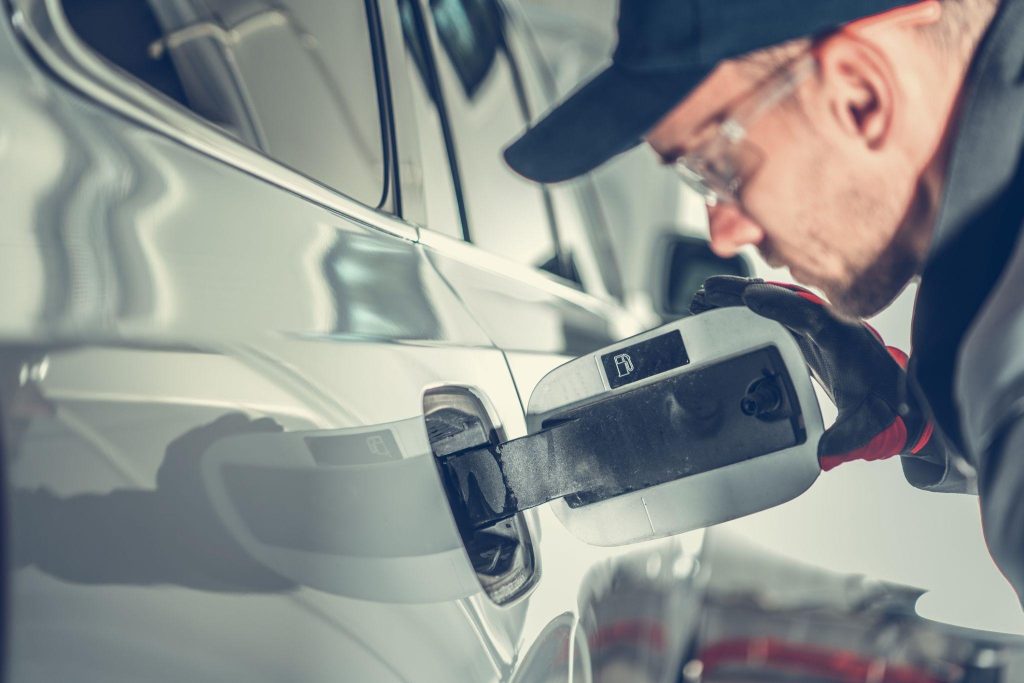
Do Plug-In Hybrids Need Fuel Stabilizer?
Not automatically. Whether a fuel stabilizer is appropriate depends on the manufacturer’s recommendations and how the vehicle is being stored or operated.
Adding an unapproved product simply because gasoline has been sitting for a while may not be the correct solution. Technicians should first consider fuel age, vehicle history, manufacturer instructions, and any diagnostic symptoms.
This specification-first approach is also important in a hybrid technology training course, where future technicians need to learn how electrified powertrains differ between manufacturers.
What Does PHEV Fuel-System Maintenance Involve?
Good PHEV maintenance involves more than watching the fuel gauge. Depending on the vehicle and service schedule, technicians may inspect the fuel system for leaks or damage, review diagnostic information, evaluate engine operation, and check whether maintenance intervals have been followed.
When a complaint occurs, technicians may also consider:
- How long the fuel has been in the tank
- Whether the engine starts and runs normally
- Stored diagnostic trouble codes
- Fuel pressure and delivery
- Injector operation
- Fuel-system integrity
- Manufacturer-specific maintenance modes
The goal is to gather evidence before recommending repairs.
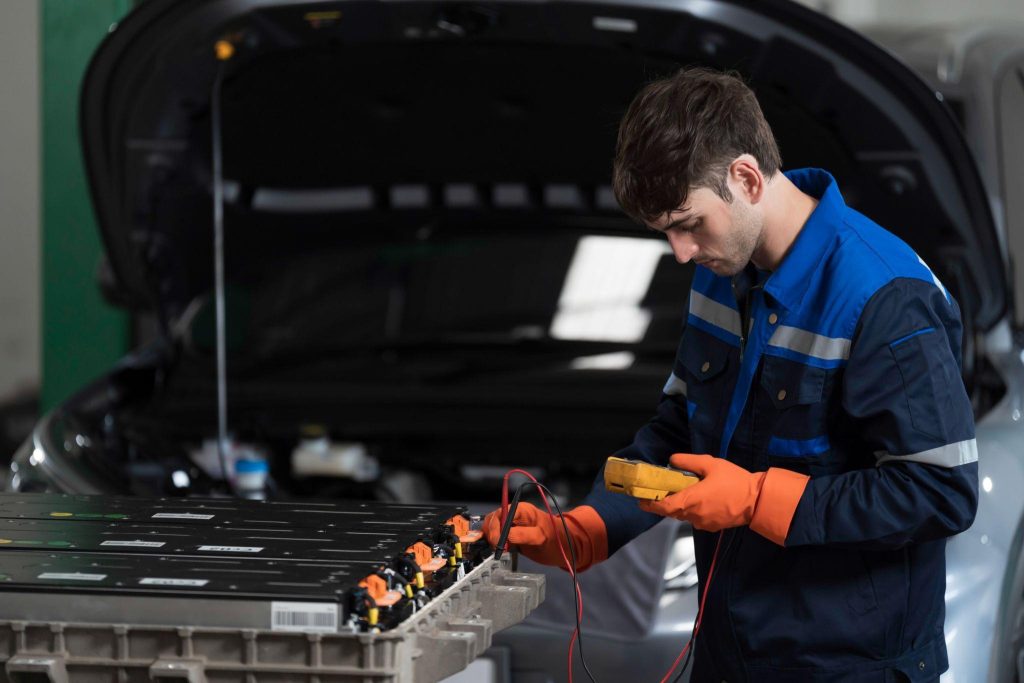
PHEV Maintenance Goes Beyond the Fuel Tank
The complexity of plug-in hybrids becomes clearer when you compare them with conventional EV maintenance. A fully electric vehicle eliminates many combustion-engine components. A PHEV retains those systems while also adding an electric drivetrain, power electronics, charging hardware, and a high-voltage battery.
That means a technician may encounter a gasoline-related drivability complaint one day and an electrified powertrain concern the next.
This combination is changing what electric car maintenance and hybrid service look like in modern repair facilities. Technicians increasingly need mechanical knowledge alongside electrical diagnostic skills and high-voltage safety awareness.
Why Hybrid Knowledge Matters for Future Technicians
A PHEV demonstrates why modern automotive diagnosis requires systems thinking. The engine, fuel system, battery, electric motors, and electronic controls all contribute to how the vehicle operates.
For someone preparing to become a hybrid and electric vehicle mechanic, learning how these systems interact can make unusual symptoms easier to understand. An engine that starts unexpectedly, for example, may be operating exactly as designed rather than signalling a failure.
As electrified vehicles become more common, technicians who can confidently work across both combustion and electric systems will be better prepared for the changing automotive service environment.
Do you want to become a hybrid and electric vehicle mechanic?
Contact ATC Surrey for more information.
Key Takeaways
- Plug-in hybrid maintenance includes caring for both the electric drivetrain and the gasoline engine and fuel system.
- Gasoline may remain unused for long periods when drivers rely heavily on electric mode.
- PHEVs may automatically run their gasoline engines under certain conditions, depending on manufacturer strategy.
- There is no universal engine run schedule or fuel-stabilizer recommendation for every PHEV; manufacturer specifications matter.
- PHEV maintenance requires technicians to understand how fuel, engine, electronic controls, and high-voltage systems interact.
FAQ
Can gasoline go stale in a plug-in hybrid?
Yes. Gasoline can change during extended storage, which is particularly relevant when a PHEV completes most trips using electric power. Technicians may consider fuel age when diagnosing starting or drivability concerns.
How often should a plug-in hybrid run its gas engine?
There is no universal interval for every PHEV. Some vehicles automatically operate the engine under certain conditions. Owners and technicians should follow the manufacturer’s instructions for the specific vehicle.
Do plug-in hybrids need fuel stabilizer?
Not necessarily. Fuel stabilizer should only be used when appropriate for the vehicle and circumstances. Manufacturer recommendations should be checked before adding fuel treatments.
What maintenance does a plug-in hybrid fuel system need?
Maintenance can include inspecting fuel-system components, following manufacturer service intervals, evaluating fuel condition, checking diagnostic information, and confirming that the gasoline engine operates correctly.