Insulation Resistance Test: A Must-Know Skill for EV and Hybrid Diagnostics
TL;DR
An insulation resistance test is used to detect electrical leakage in EV and hybrid systems. Technicians use tools like a megohmmeter to ensure high-voltage components are properly insulated, helping maintain safety and prevent system failures.
As electric and hybrid vehicles become more common, technicians are expected to understand high-voltage systems at a deeper level. One critical diagnostic procedure is the insulation resistance test, which helps identify potential electrical leakage in these systems.
Unlike traditional diagnostics, EV work introduces new safety considerations. Components such as the high-voltage battery operate at levels that require strict handling procedures and specialized tools. This makes understanding high-voltage safety essential for anyone entering the field.
For students pursuing automotive training, learning how and when to perform this test is a key step toward working confidently with modern vehicle technology.
What Is an Insulation Resistance Test?
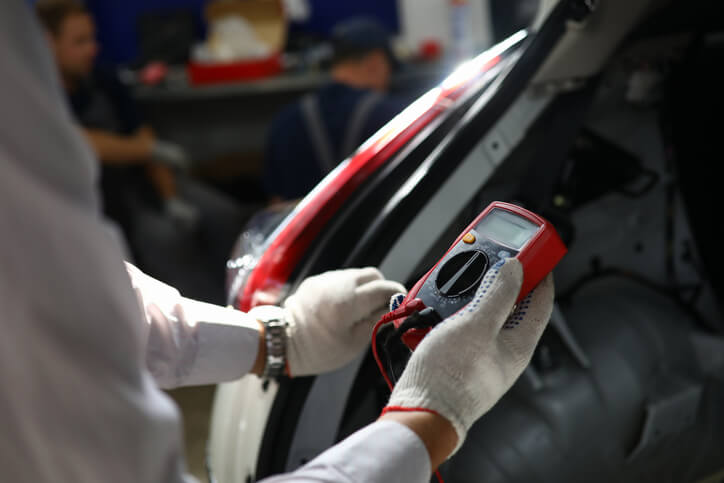
An insulation resistance test measures how well electrical components are isolated from unintended paths, such as the vehicle chassis. In EVs, proper insulation is critical to prevent current leakage that could pose safety risks or affect system performance.
Technicians use a megohmmeter to apply a controlled voltage and measure resistance. High resistance indicates good insulation, while low resistance may signal contamination, moisture, or damaged wiring.
This test provides a clear indication of whether high-voltage components are safe to operate.
What Causes Low Insulation Resistance in EVs?
What can cause low insulation resistance in EVs?
Several factors can reduce insulation resistance in EV systems. Moisture intrusion is one of the most common causes, especially in connectors or battery enclosures.
Physical damage to wiring, aging insulation, or contamination by dirt and debris can also create unintended electrical paths. In some cases, internal faults within the high-voltage battery or associated components may contribute to the issue.
Identifying these causes early helps prevent more serious failures and ensures the vehicle remains safe to service.
Why the Service Disconnect Procedure Comes First
Why must the service disconnect procedure be followed first?
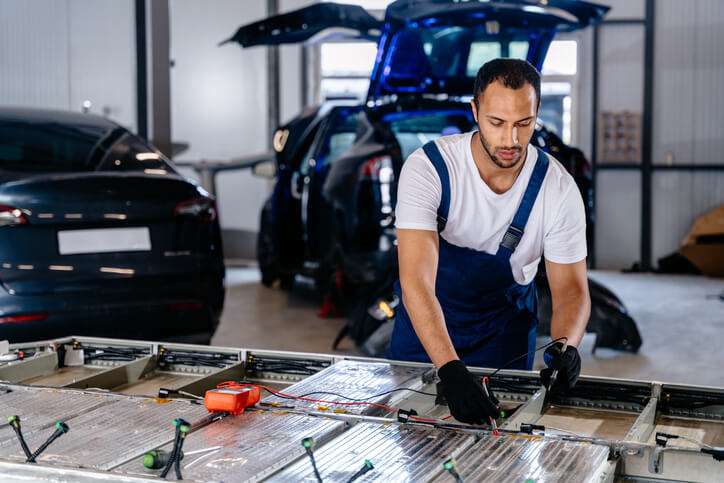
Before performing an insulation resistance test, technicians must isolate the system using the EV service disconnect. This step physically separates the high-voltage circuit, reducing the risk of electrical shock.
Skipping this step can expose technicians to dangerous voltage levels. Proper isolation ensures that testing can be performed safely and accurately. This procedure is a fundamental part of high-voltage safety and is strictly followed in professional environments.
Insulation Resistance vs Continuity Testing
How is insulation resistance different from continuity testing?
Continuity testing checks whether a circuit is complete, confirming that electricity can flow through it. In contrast, an insulation resistance test ensures that electricity does not flow where it shouldn’t.
This distinction is critical in EV diagnostics. A system may pass a continuity test but still have insulation issues that create leakage paths. As we emphasize at ATC automotive training, following the correct test method allows technicians to identify problems that would otherwise go unnoticed.
Why This Test Matters in EV Diagnostics
An insulation resistance test plays a key role in diagnosing faults in high-voltage systems. It helps confirm whether components are safe and functioning as intended before further work is performed.
As EV technology continues to evolve, this type of testing is becoming standard practice. It supports both safety and reliability, ensuring that vehicles meet performance expectations without compromising technician safety. For those exploring auto careers, understanding this process is increasingly important as the industry shifts toward electrification.
Is This Skill Taught in Training Programs?
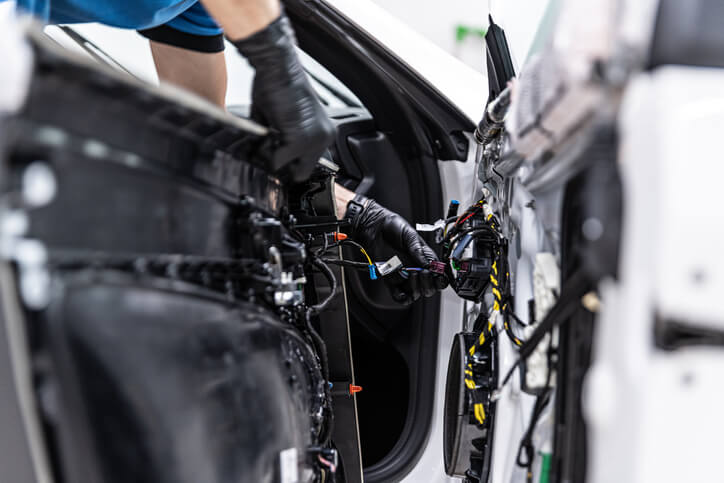
Is EV high-voltage safety taught in hybrid and electric training? Yes. Modern EV technician training includes high-voltage safety procedures, insulation testing, and the use of specialized tools like a megohmmeter.
At ATC auto mechanic school, students gain hands-on experience working with EV systems, learning how to perform tests safely and interpret results accurately. This training prepares students to work confidently with hybrid and electric vehicles, which are becoming a major part of the automotive industry.
Are you ready to become a hybrid and electric vehicle mechanic?
Contact ATC Toronto for more information.
Key Takeaways
- An insulation resistance test detects electrical leakage in EV systems
- A megohmmeter is used to measure resistance in high-voltage components
- The EV service disconnect must be used before testing for safety
- Low resistance can indicate moisture, damage, or contamination
- High-voltage diagnostics are essential skills in modern automotive careers
FAQ
What can cause low insulation resistance in EVs?
Moisture, damaged wiring, contamination, or internal component faults can reduce insulation resistance.
How is insulation resistance different from continuity testing?
Continuity checks for a complete circuit, while insulation resistance ensures there are no unwanted electrical paths.
Why must the service disconnect procedure be followed first?
It isolates the high-voltage system, reducing the risk of electrical shock during testing.
Is EV high-voltage safety taught in hybrid and electric training?
Yes, it is a core part of modern automotive training programs.