
Hybrid Transaxle Fluid: Why Electrified Drivetrains Still Need Service
What Is Transaxle Fluid, In Brief
Understanding “What is transaxle fluid?” is essential for technicians working on hybrid vehicles. Hybrid transaxles rely on specially specified fluids to lubricate gears, manage heat, and protect internal components. Learning proper inspection and servicing techniques helps future technicians maintain today’s electrified drivetrains safely and correctly.
As more drivers choose hybrid vehicles, technicians are seeing more electrified drivetrains in repair shops. Although hybrids include electric motors and advanced electronics, they still contain mechanical components that require proper lubrication and regular inspection.
Understanding what transaxle fluid is helps future technicians appreciate how hybrid drivetrains differ from conventional automatic transmissions. Servicing these systems requires careful attention to manufacturer procedures, correct fluid specifications, and safe working practices.
What Is Transaxle Fluid?
Transaxle fluid lubricates, cools, and protects the gears, bearings, and other moving components inside a hybrid transaxle.
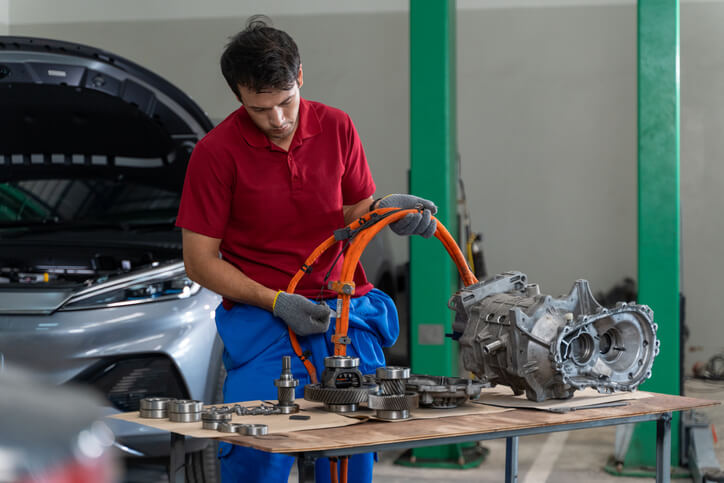
Unlike many conventional transmissions, hybrid transaxles combine electric motor components with the transmission assembly. The fluid helps reduce friction, manage operating temperatures, and support reliable drivetrain performance.
Depending on the manufacturer, the specified automatic transaxle fluid may also have electrical compatibility requirements that make selecting the correct product especially important.
Do Hybrid Vehicles Need Transmission or Transaxle Fluid Service?
Yes. While maintenance intervals vary by manufacturer, hybrid transaxles still require periodic inspection and, when recommended, fluid replacement.
Technicians inspect:
- Fluid condition
- Fluid level where applicable
- Signs of contamination
- Possible leaks
- Manufacturer service schedules
Unlike engine oil, transmission fluid may not require replacement as frequently, but it should never be ignored simply because the vehicle is hybrid-powered.
How Is a Hybrid Transaxle Different From a Conventional Transmission?
A hybrid transaxle combines electric drive components and mechanical gearing into a single integrated unit. Rather than relying entirely on hydraulic gear changes like many traditional automatic transmissions, hybrid systems use electric motors and sophisticated electronic controls to deliver power efficiently.
Although their design differs, they still depend on properly specified transmission oil fluid to reduce wear, dissipate heat, and protect internal components. Students enrolled in our hybrid technology training course learn how these systems operate and how manufacturer service procedures differ from conventional vehicles.
Why Must Technicians Use the Exact Fluid Specified for a Hybrid Vehicle?
Hybrid drivetrains are engineered around fluids with carefully designed performance characteristics. Using the wrong ATF fluid or auto transmission oil may affect lubrication, cooling performance, material compatibility, or electrical properties required by the manufacturer.
Professional technicians never assume that one transmission fluid can replace another. Instead, they verify:
- Manufacturer specifications
- Vehicle service information
- Approved fluid part numbers
- Recommended maintenance procedures
Toyota Canada explains that vehicles rely on carefully engineered fluids and lubricants, reinforcing why technicians must follow manufacturer specifications when servicing hybrid drivetrains. This attention to detail helps protect expensive hybrid drivetrain components while ensuring safe, reliable operation.
How Do Students Learn Hybrid Service Procedures?
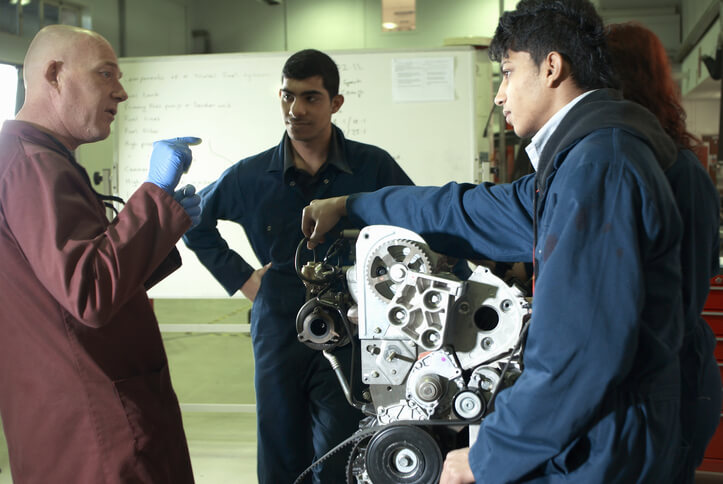
Students develop these skills through classroom instruction combined with practical, hands-on training.
At our auto mechanic school in Surrey, learners study hybrid system operation, manufacturer service information, safe handling procedures, and correct maintenance techniques before working on real vehicles.
These experiences help prepare graduates pursuing careers as hybrid and electric vehicle mechanics, where precision and adherence to manufacturer specifications are essential.
Prepare for the Future of Automotive Service
As hybrid vehicles become increasingly common, technicians need skills that extend beyond conventional engine and transmission repairs.
Learning what transaxle fluid is, how hybrid drivetrains function, and why manufacturers specify particular service procedures helps students build the knowledge and confidence needed for today’s evolving automotive industry.
Do you want to become a hybrid and electric vehicle mechanic?
Contact ATC Surrey for more information.
Key Takeaways
- “What is transaxle fluid?” is an important question for anyone servicing hybrid vehicles.
- Hybrid transaxles still require regular inspection and manufacturer-approved fluid.
- The correct automatic transaxle fluid protects gears, bearings, and other drivetrain components.
- Hybrid systems differ from conventional transmissions but still rely on proper lubrication.
- Hands-on hybrid training prepares students for careers servicing modern electrified vehicles.
FAQ
What is transaxle fluid?
Transaxle fluid is a specialized lubricant that protects and cools the gears, bearings, and internal components inside a hybrid or transaxle-equipped drivetrain while supporting reliable operation.
Do hybrid vehicles need transmission or transaxle fluid service?
Yes. Hybrid vehicles still require periodic inspection and, when recommended by the manufacturer, replacement of the specified transaxle fluid.
How is a hybrid transaxle different from a conventional transmission?
A hybrid transaxle integrates electric motor components with mechanical gearing, creating a drivetrain that operates differently from a traditional automatic transmission while still requiring specialized lubrication.
Why must technicians use the exact fluid specified for a hybrid vehicle?
Manufacturers engineer hybrid systems around specific fluid formulations, so using the correct fluid helps ensure proper lubrication, cooling, compatibility, and long-term drivetrain performance.