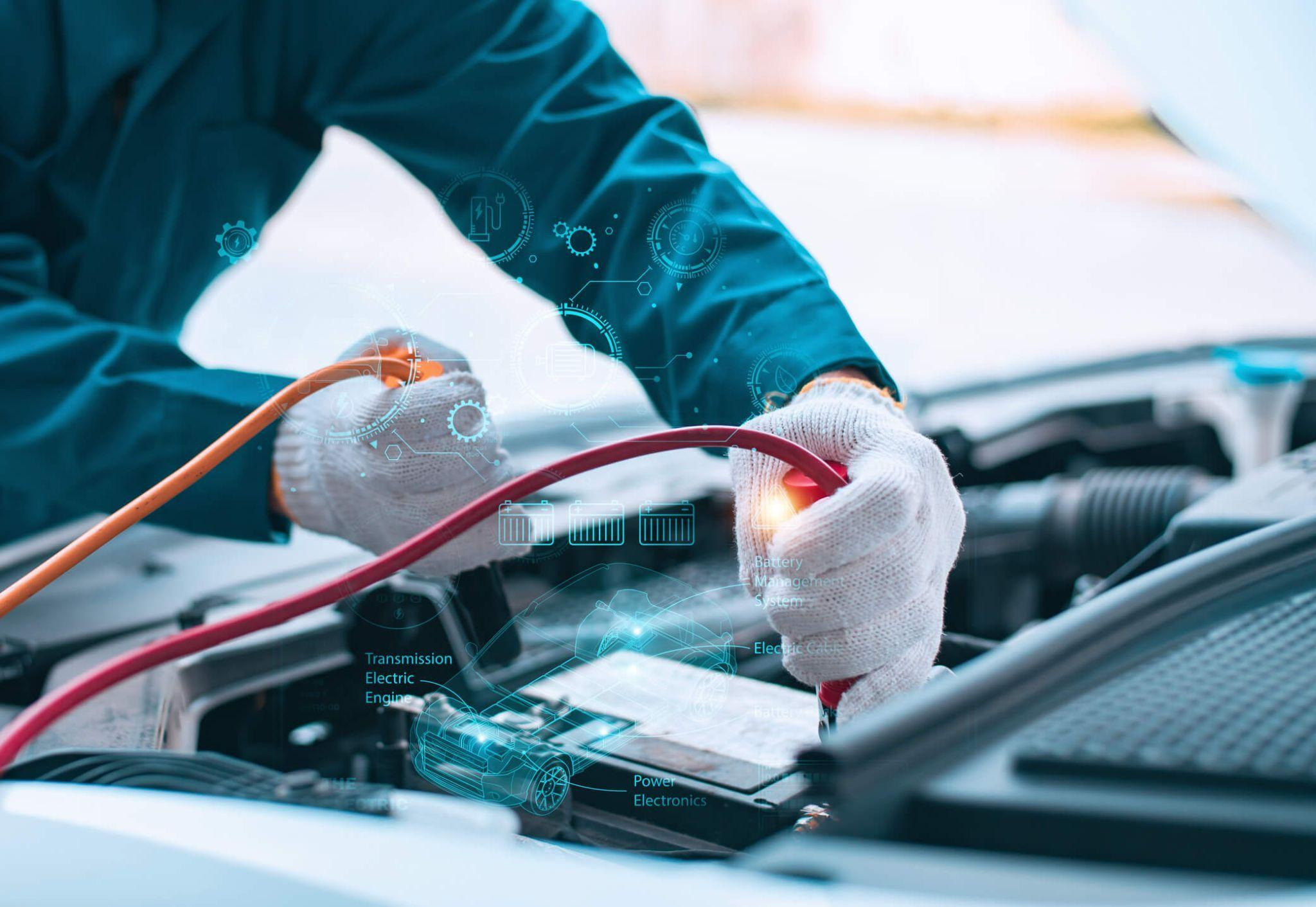
Hybrid Mechanic Skills: The Bridge Between Gas, Electric, and High-Voltage Safety
TL;DR
A skilled hybrid mechanic must understand both internal combustion engine systems and high-voltage electrical technology. Modern hybrid diagnostics require knowledge of battery systems, electrical safety, cooling systems, and traditional automotive repair techniques.
Working on hybrid vehicles requires more than traditional automotive knowledge. Today’s technicians must understand how gasoline engines interact with electric motors, battery systems, and advanced electronics, all while following strict high-voltage safety procedures.
That combination is what makes the role of a hybrid mechanic unique. Hybrid vehicles blend conventional mechanical systems with complex electrical architecture, meaning technicians need a broader skill set than ever before.
For students attending an auto mechanic school in Surrey, learning how these systems work together is becoming increasingly important as more drivers choose hybrid and electrified vehicles.
How Hybrid Diagnosis Differs from Standard Engine Diagnosis
How is hybrid diagnosis different from standard engine diagnosis? Traditional diagnostics focus heavily on combustion systems such as fuel delivery, ignition, airflow, and emissions. Hybrid vehicles still use many of these systems, but they also introduce electric motors, regenerative braking, battery management systems, and power electronics.
This means a hybrid mechanic must interpret data from both mechanical and electrical systems simultaneously. A drivability issue could involve the engine, the battery, the inverter, or the interaction between them.
Modern diagnostic work often involves scan tool analysis, live electrical data, and thermal management evaluation in addition to standard engine testing.
Why High-Voltage Safety Matters in Hybrid Mechanics
What high-voltage precautions apply to hybrid service? One of the biggest differences in hybrid service is the presence of high-voltage electrical systems. Hybrid batteries can store dangerous amounts of electrical energy, making proper safety procedures essential.
Before servicing components, technicians follow strict shutdown and isolation procedures. This may involve disconnecting service plugs, verifying voltage levels, and using insulated tools and personal protective equipment.
Understanding high-voltage safety is critical not only for technician protection but also for preventing damage to sensitive electrical systems.
Common Hybrid Systems Technicians Service
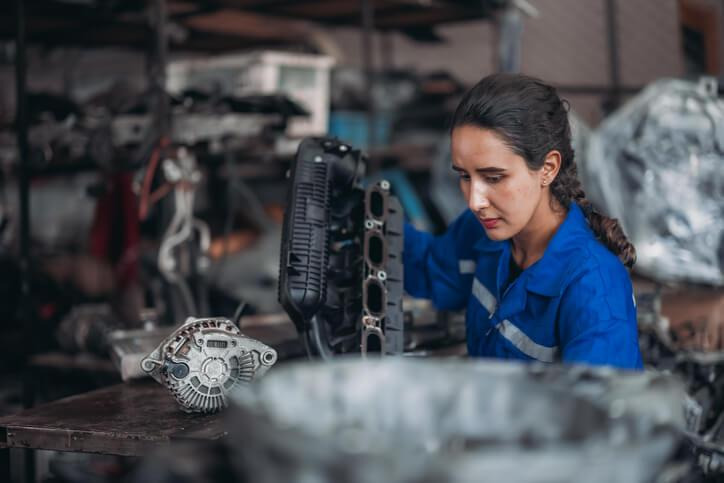
What hybrid systems do techs service most often? Hybrid vehicles contain several specialized systems that require regular inspection and diagnosis. Battery cooling systems, regenerative braking components, inverters, and charging circuits are among the most commonly serviced areas.
Technicians may also diagnose concerns related to hybrid battery replacement, cooling fan operation, or thermal management performance. Since batteries are sensitive to temperature and charging conditions, proper diagnostics are essential before recommending repairs.
Because the hybrid battery replacement cost can be significant, shops rely on accurate testing procedures before replacing major components.
The Importance of Hybrid Maintenance Knowledge
Routine hybrid car maintenance goes beyond oil changes and brake inspections. Technicians must understand how electrical and mechanical systems affect one another over time.
Cooling systems, for example, help regulate battery temperature and maintain efficiency. Electrical faults can sometimes affect drivability symptoms that appear mechanical at first glance.
For budding automotive service technicians at our auto mechanic school in Surrey, this interconnected system design requires a more advanced understanding of vehicle operation than ever before.
Do Training Programs Cover Both Gas and Electric Systems?
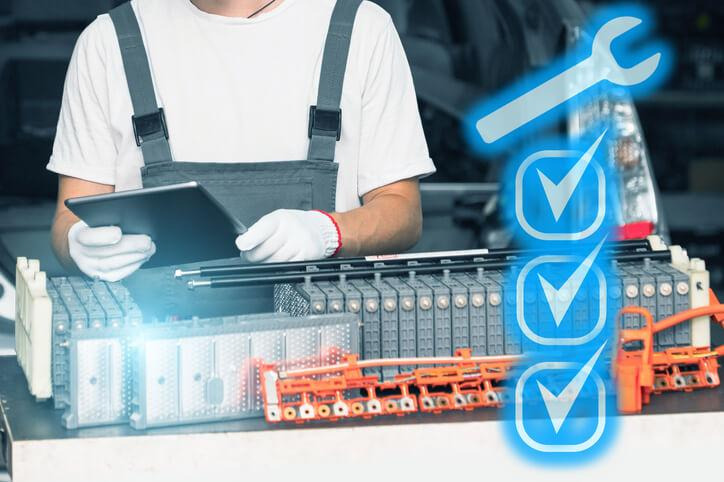
Yes. Programs such as ATC’s hybrid technology training course introduce students to both internal combustion systems and electric vehicle technology.
Students learn engine diagnostics, electrical fundamentals, battery systems, thermal management, and hybrid safety procedures together. This integrated approach helps future technicians build confidence working on increasingly complex vehicles.
If you’re considering pursuing a career as a hybrid and electric vehicle mechanic, understanding both sides of the technology is essential for long-term success in the industry.
Why Hybrid Skills Are Increasingly Valuable
As hybrid and electric vehicles continue growing in popularity, employers are actively seeking technicians with modern diagnostic skills. Shops increasingly need professionals who can move comfortably between traditional mechanical work and advanced electrical troubleshooting.
This shift means the role of the hybrid mechanic is becoming one of the most versatile positions in the automotive industry. Technicians who understand both systems are often better prepared for the future direction of automotive technology.
Are you looking for comprehensive hybrid and electrical mechanic training?
Contact ATC Surrey for more information.
Key Takeaways
- A hybrid mechanic works with both combustion and electric vehicle systems
- Hybrid diagnostics require knowledge of batteries, electronics, and traditional engine systems
- Proper high-voltage safety procedures are essential during service
- Cooling systems and battery management play major roles in hybrid car maintenance
- Training programs teach both gasoline and electric vehicle fundamentals together
FAQ
How is hybrid diagnosis different from standard engine diagnosis?
It combines traditional mechanical diagnostics with electrical system analysis and battery management evaluation.
What high-voltage precautions apply to hybrid service?
Technicians follow shutdown procedures, verify voltage isolation, and use insulated safety equipment.
What hybrid systems do techs service most often?
Battery systems, cooling systems, inverters, regenerative braking systems, and electrical controls are common service areas.
Do programs cover both gas and electric fundamentals?
Yes, modern training programs teach both combustion engine and hybrid electrical systems.