How to Become an Electric Vehicle Mechanic in 2026
TL;DR
To become an electric vehicle mechanic in 2026, a technician typically needs strong fundamentals in automotive systems plus EV/hybrid-specific training, especially high-voltage safety, battery systems, power electronics, and EV diagnostics. The fastest path is training that blends hands-on shop work with modern EV systems knowledge.
Electric vehicles are showing up in more driveways and more service bays. That means shops aren’t just looking for “EV specialists.” They’re looking for technicians who can handle everyday mechanical work and confidently step into EV and hybrid jobs that involve high-voltage systems, new diagnostics, and strict safety procedures. If you want to know how to become an electric vehicle mechanic in 2026, this guide walks you through the skills employers expect, high-voltage safety, battery and thermal systems, scan-tool diagnostics, and practical hands-on training.
How To Become an Electric Vehicle Mechanic, Step 1: Understanding the Role
An electric vehicle technician still does many “normal” shop tasks, but the vehicle architecture changes the game.
Common EV/hybrid job tasks include:
- Diagnosing warning lights with advanced scan tools
- Inspecting thermal management (battery cooling/heating)
- Servicing brakes (often different wear patterns due to regen braking)
- Repairing suspension/steering, like any other vehicle
- Following high-voltage shutdown and verification procedures before EV powertrain work
Step 2: Get Serious About High-Voltage Safety (This Is Non-Negotiable)
High-voltage safety is the first big difference between a confident EV tech and someone who “just watched a few videos.”
High-voltage safety typically involves:
- Lockout/tagout style procedures
- Proper PPE (rated gloves, face protection, insulated tools where required)
- Confirming the system is de-energized before touching components
- Knowing safe zones, cables, connectors, and warning labels
Training providers and micro-credentials increasingly build this into EV service pathways. You can start with a hybrid technology training course.
For a clear overview of the real risks technicians face with damaged or energized EV systems, WorkSafeBC outlines EV battery hazards and why strict procedures matter.
In addition, in Canada, approved recovery pathways are becoming more defined. EVBatteryRecovery.ca describes a nationwide program for the responsible collection and transportation of eligible EV batteries.
Step 3: Learn How EV Maintenance Differs From Gas Vehicles
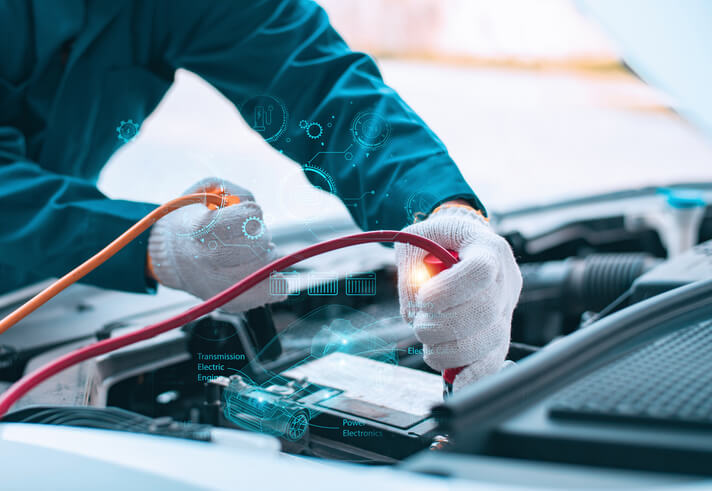
EVs don’t have oil changes in the traditional sense, but that doesn’t mean they’re “maintenance-free.”
How maintaining an EV differs:
- Battery health and thermal management matter more than ever
- Power electronics (inverters, converters) introduce new failure modes
- Software and diagnostics play a bigger role
- Regenerative braking changes brake wear patterns
- Cooling systems are critical (battery, motors, and electronics)
Hybrid car maintenance sits in the middle, requiring work on both internal combustion and high-voltage systems.
Step 4: Build a Practical Skill Stack (What Employers Actually Want)
If a shop is hiring for EV work, they’re usually looking for techs who can do three things:
- Diagnose efficiently (not guess)
- Follow safe procedures consistently
- Work across mixed fleets (gas, hybrid and EV)
A strong 2026 EV skill stack includes:
- Electrical fundamentals (multimeter use, circuits, connectors)
- Reading wiring diagrams
- Scan tool fluency
- Safe shutdown and verification procedures
- Understanding EV components (battery pack, contactors, inverter, onboard charger)
| Bonus: EV Mechanic Skills Employers Look For in 2026 (Checklist) Use this list to check whether you’re building the skills shops expect for EV and hybrid work. Core electrical + diagnostic skills ☐ Confident multimeter use (voltage, resistance, continuity) ☐ Understanding circuits, connectors, grounds, and common electrical faults ☐ Reading and following wiring diagrams ☐ Using scan tools to pull codes, interpret live data, and confirm repairs High-voltage safety (non-negotiable) ☐ Following high-voltage shutdown and verification procedures ☐ Using proper PPE (rated gloves, face protection, insulated tools when required) ☐ Identifying high-voltage cables, connectors, warning labels, and safe zones ☐ Confirming the system is de-energized before touching components EV/hybrid systems knowledge ☐ Understanding key EV components (battery pack, contactors, inverter, onboard charger) ☐ Knowing how battery thermal management works (cooling/heating) ☐ Recognizing common EV failure points (power electronics, sensors, software-related issues) Real shop readiness ☐ Diagnosing efficiently (not guessing) ☐ Following procedures consistently (no shortcuts) ☐ Working across mixed fleets (gas, hybrid, EV) Quick self-test: If you can check most boxes, you’re on track to be EV-ready in 2026. |
Step 5: Train Now (Surrey Pathway)
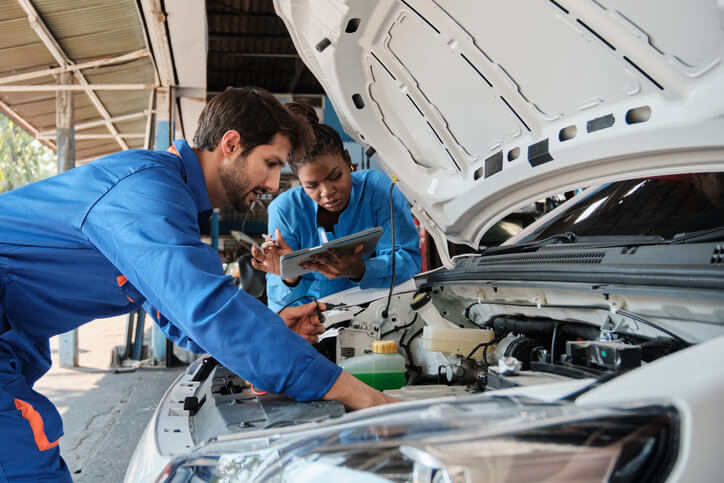
Hands-on training matters, especially when the end goal is a shop environment where EVs and hybrids show up alongside everything else. If you are serious about starting a career in the auto mechanic world, explore auto mechanic schools in Surrey, or your area, and look for courses that cover mixed fleets, meaning hybrid, gas, and EV.
If EVs and hybrids are the focus, learn more about becoming a hybrid and electric vehicle mechanic.
FAQ
Q: What qualifications do you need to work on electric cars?
A: A strong automotive foundation plus EV/hybrid-specific training, especially high-voltage safety and EV diagnostics.
Q: Are electric vehicle mechanics in demand in 2025?
A: Demand trends upward as EV adoption expands and more shops need EV-capable technicians (especially for diagnostics and safe service).
Q: How does maintaining an EV differ from servicing a gasoline car?
A: Less traditional engine maintenance, more focus on battery systems, power electronics, software diagnostics, and thermal management.
Q: Do EV mechanics need special certifications or training?
A: Many employers expect proof of high-voltage safety training and EV service readiness, even when the technician already has general automotive experience.
Q: What safety precautions do technicians follow for high-voltage EV systems?
A: De-energizing procedures, PPE, verification steps, and strict process discipline before touching HV components.
Q: How can I train now to become an electric car mechanic?
A: Choose training that includes hands-on diagnostics and EV/hybrid service workflows, and build high-voltage safety competence early.