
EV Tires: Why Weight, Torque, and Regenerative Braking Change Tire Wear
TL;DR
Do EVs need special tires? The answer is often yes. Electric vehicles place unique demands on tires because of their heavier battery weight, instant torque delivery, and regenerative braking systems. These factors can affect tire wear, handling, rolling resistance, and road noise differently than traditional gas-powered vehicles. Understanding what makes tires EV compatible helps future technicians recognize how electric vehicle systems influence maintenance, tire selection, and long-term performance.
Electric vehicles may eliminate oil changes and reduce some traditional maintenance tasks, but they also introduce new service considerations—including tire wear. For future automotive technicians, understanding EV tire behaviour is becoming increasingly important as more electric and hybrid vehicles appear in repair shops across Canada.
At first glance, EV tires may look similar to standard tires. However, the forces acting on them are often very different. Vehicle weight, instant acceleration, regenerative braking systems, and efficiency requirements all influence how EV tires are designed and how they wear over time.
This is one reason many students pursuing careers as hybrid and electric vehicle mechanics are learning more about EV-specific maintenance considerations.
Do EVs Need Special Tires?
One of the most common questions drivers ask is: Do EVs need special tires?
In many cases, manufacturers do recommend tires designed specifically for electric vehicles.
That does not necessarily mean standard tires cannot be used, but EV-specific tires are often engineered to handle the unique operating characteristics of electric vehicles more effectively.
Electric vehicles tend to:
- Weigh more because of battery packs
- Deliver instant torque during acceleration
- Operate more quietly than gas vehicles
- Depend heavily on efficiency and driving range
Because of these factors, tire manufacturers often design EV-compatible tires with features that support durability, traction, noise reduction, and rolling efficiency.
For future technicians, understanding these differences is becoming an important part of modern automotive service knowledge.
What Makes Tires EV Compatible?
Many students entering Hybrid technology training course programs eventually ask: what makes tires EV compatible?
Several design features may separate EV-oriented tires from conventional options.
One major factor is load capacity. EVs often weigh significantly more than comparable gasoline vehicles because of large battery systems. Tires must therefore support additional weight while maintaining stability and predictable handling.
Another important factor is torque management. Electric motors deliver torque immediately, which can place extra stress on tire tread during acceleration. This may increase wear if tires are not designed to handle the added force effectively.
Rolling resistance also matters. Lower rolling resistance can help improve EV driving range, making efficiency an important consideration in tire design.
Noise reduction is another growing focus. Because EVs operate more quietly than internal combustion vehicles, tire noise becomes more noticeable inside the cabin. Some EV tires include specialized foam inserts or tread patterns designed to reduce road noise.
Are EV Tires Different From Regular Tires?
Yes, in many cases, EV tires are different from traditional tires, although the differences may not always be obvious visually.
When students ask what EV tires are, the answer often comes down to engineering priorities. EV tires are commonly optimized for:
- Higher vehicle weight
- Faster torque delivery
- Lower rolling resistance
- Reduced road noise
- Improved energy efficiency
Regenerative braking also affects how tires wear. Unlike conventional braking systems that rely entirely on brake friction, regenerative braking uses the electric motor to slow the vehicle and recover energy.
This changes braking behaviour and may influence:
- Tire wear patterns
- Weight transfer during deceleration
- Tread stress
- Overall braking feel
As a result, technicians inspecting EV tires may observe wear patterns that differ from those on gasoline-powered vehicles.
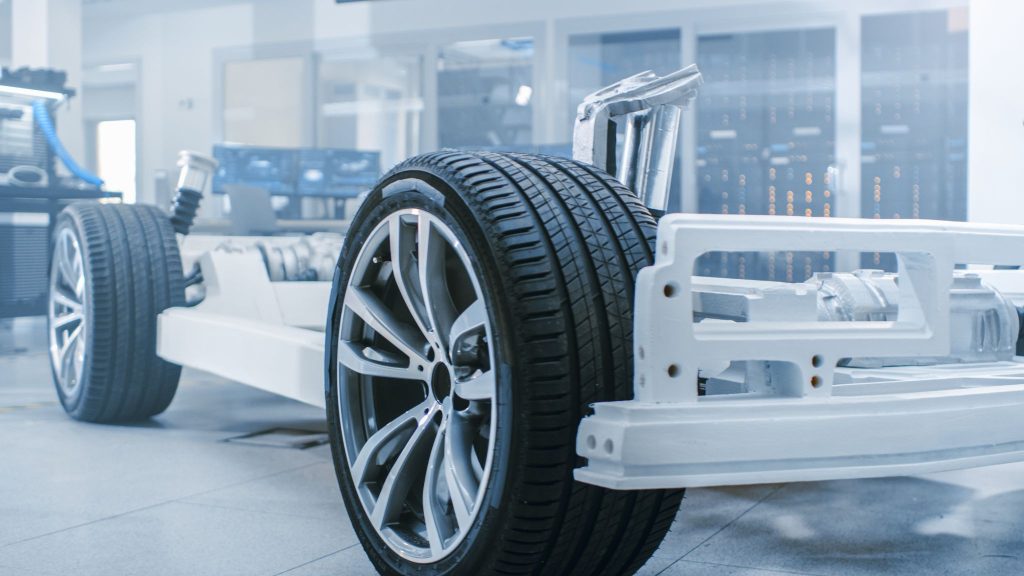
Why Weight and Torque Matter for Tire Wear
Battery systems can add hundreds of kilograms to an electric vehicle’s overall weight.
Combined with immediate torque delivery, this additional load can accelerate tire wear under certain driving conditions.
Aggressive acceleration, frequent stop-and-go driving, and improper tire inflation may all contribute to faster tread wear.
This is one reason technicians often pay close attention to:
- Tire pressure
- Alignment condition
- Tread wear patterns
- Suspension condition
- Tire rotation schedules
Proper maintenance becomes especially important because uneven wear can affect both handling and driving efficiency.
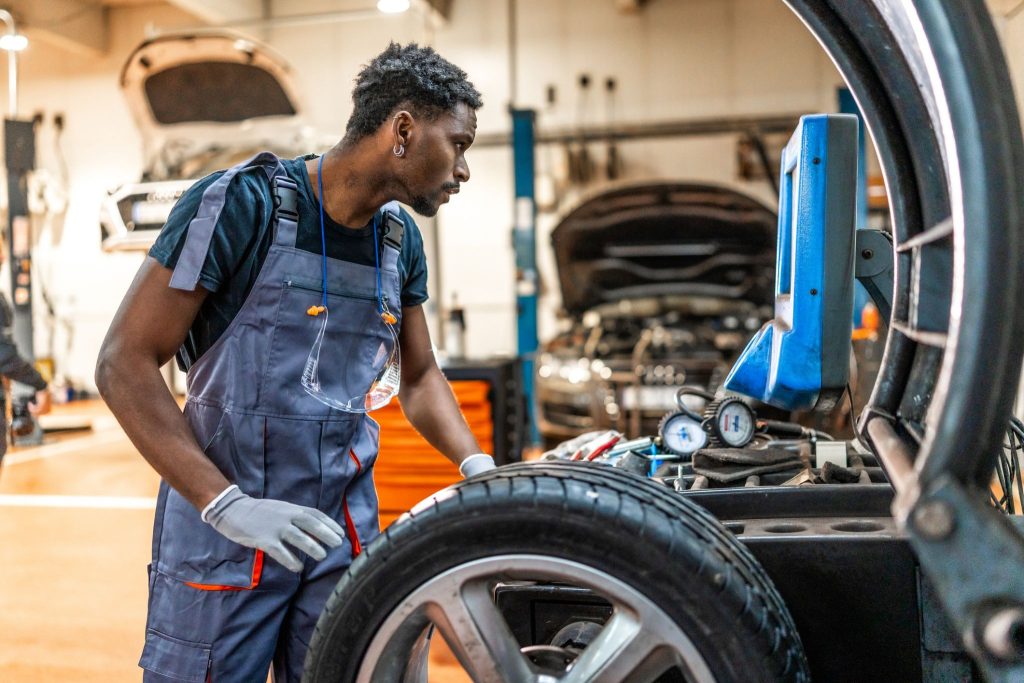
Students at our auto mechanic school in Surrey increasingly encounter these EV-specific service considerations as the automotive industry continues evolving.
Are EV Tires More Expensive?
Sometimes, yes. EV-specific tires may cost more because of their specialized construction and engineering features.
However, pricing varies depending on:
- Tire brand
- Vehicle type
- Tire size
- Performance category
- Efficiency features
Drivers may also need to balance upfront cost against long-term performance, durability, and efficiency benefits.
For technicians, understanding the differences between tire types helps support better customer education and maintenance recommendations.
As EV adoption continues growing across Canada, tire knowledge is becoming another important area of expertise for you as a budding hybrid and electric vehicle mechanic.
Are you looking for a comprehensive hybrid technology training course?
Contact ATC Surrey for more instructions.
Key Takeaways
- Many drivers ask, do EVs need special tires, because electric vehicles place unique demands on tire performance.
- Understanding what makes tires EV compatible helps technicians recognize EV-specific wear patterns and maintenance needs.
- EV tires are different because they are often designed for higher weight, instant torque, and reduced rolling resistance.
- Regenerative braking changes how tires interact with the road during deceleration.
- Tire inspection and maintenance are becoming increasingly important skills for future hybrid and electric vehicle technicians.
FAQ
Do EVs need special tires?
Many EV manufacturers recommend tires specifically designed for electric vehicles because they are engineered to handle additional weight, torque, and efficiency demands.
What makes tires EV compatible?
EV-compatible tires are often designed for higher load capacity, lower rolling resistance, quieter operation, and improved traction under instant torque conditions.
Are EV tires different from regular tires?
Yes. Many EV tires are optimized for heavier vehicle weight, energy efficiency, torque management, and road noise reduction.
Are EV tires more expensive?
Some EV-specific tires may cost more because of their specialized construction and performance features, although pricing varies by brand and vehicle type.