EV Reduction Gear Oil: Why Electric Drivetrains Still Need Lubrication
In Brief: Electric Car Transmission: EV Reduction-Gear Oil Basics
- Most EVs use reduction gearing rather than a conventional multi-speed automatic transmission.
- Gears and bearings inside the drive unit still require lubrication.
- Fluid specifications and service requirements vary significantly between EV designs.
- Technicians should follow manufacturer procedures rather than assuming conventional gear oil or transmission fluid is suitable.
Electric vehicles do not need engine oil, but that does not mean their drivetrains operate without lubrication.
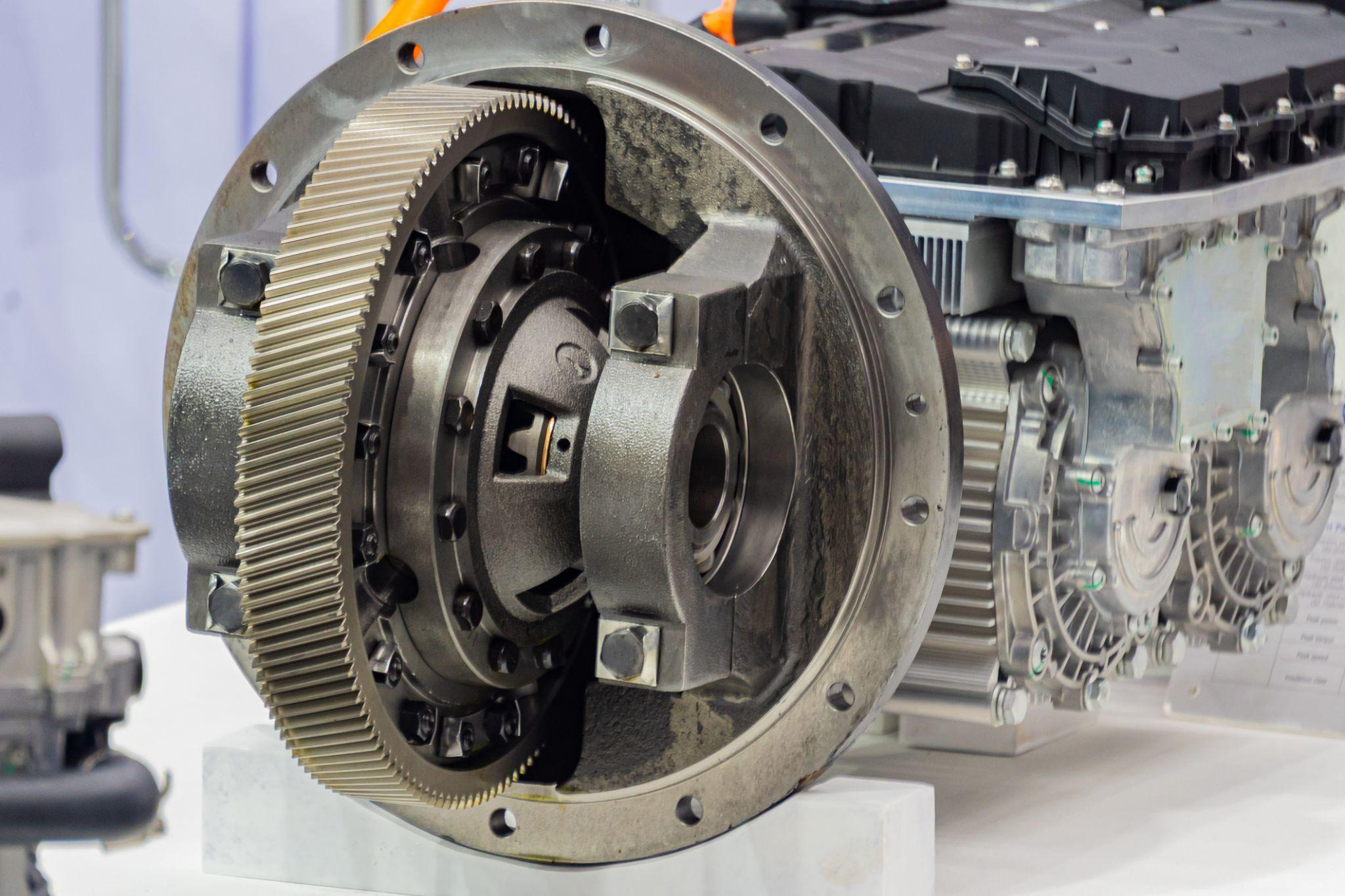
So, do electric cars have transmissions? Most battery-electric vehicles use a simpler drivetrain than gasoline vehicles, commonly pairing the electric motor with reduction gearing that transfers torque to the wheels. According to GM, its EV drive units integrate a motor, an inverter, and a gearset into a single assembly.
Because these gears experience continuous load and bearings support rotating elements, proper lubrication remains vital for EV drivetrain longevity and servicing.
For students at our auto mechanic school in Surrey, understanding these differences is increasingly relevant as conventional and electrified drivetrains share the road.
Do Electric Car Transmissions Need Fluid or Gear Oil?
Many EV drive units contain lubricants for their reduction gears and bearings, although the fluid type and terminology depend on the manufacturer and drivetrain design.
ExxonMobil notes that battery-electric drive units contain gearboxes requiring lubrication for gears and bearings. These components can operate under conditions that differ significantly from traditional internal-combustion-engine transmissions, including different speeds and temperatures.
Tesla provides a clear real-world example. Its Model 3 service information includes procedures for checking, draining, and refilling front and rear drive-unit gearbox fluid.
This is why searches for terms such as Tesla transmission fluid can be slightly misleading. Tesla itself refers to gearbox fluid in its Model 3 service documentation.
What Does EV Reduction-Gear Oil Lubricate?
Its core jobs can include protecting the reduction gears and bearings that transmit torque from the electric motor toward the wheels.
Electric motors can operate efficiently across a broad speed range, allowing many EVs to use a fixed reduction ratio instead of repeatedly shifting through several forward gears. The reduction gearset lowers the motor’s high rotational speed while increasing usable torque at the wheels.
That answers another common question: do electric cars have gears? Yes. Having gears does not necessarily mean having the type of multi-speed transmission familiar from a gasoline-powered vehicle.
Lubrication reduces friction and wear where gear teeth and bearings interact. Depending on drive-unit architecture, an EV fluid may also face thermal and electrical requirements. ExxonMobil identifies lubrication, thermal management, and electrical performance as important considerations for emerging electric-drive-unit fluids.
These differences are part of what you should explore when preparing for work as a hybrid and electric vehicle mechanic.
How Often Should EV Reduction-Gear Oil Be Changed?
There is no universal replacement interval that applies to every EV.
Service requirements depend on the manufacturer, drive-unit design, model, model year, fluid, and operating conditions. Technicians therefore need the service information for the specific vehicle rather than applying a conventional transmission-fluid schedule to every EV transmission.
Some systems may also identify fluid-related problems electronically. Tesla’s Model 3 owner’s manual, for example, includes a “Gearbox fluid service recommended” alert that tells the owner to schedule service because continued operation could eventually damage the gearbox or powertrain.
Fluid condition can provide useful information during service as well. Lubricant analysis can identify contaminants and wear metals that may offer clues about gear or bearing condition.
Can the Wrong Oil Damage an Electric Drive Unit?
Using fluid that does not meet the manufacturer’s specification can compromise lubrication or other properties required by the particular drive-unit design.
An electric vehicle transmission may expose its lubricant to high rotational speeds, gears, bearings, heat, and, in some designs, electrical components. Specialized EV fluids may therefore require suitable wear protection, thermal properties, electrical characteristics, and compatibility with copper and polymer materials.
Tesla illustrates how specific these requirements can become. Its service documentation identifies approved gearbox fluids according to drive-unit generation and warns that using unapproved alternatives is at the repairer’s risk.
For future technicians, the lesson is straightforward: never select an electric car transmission fluid simply because its viscosity or appearance seems similar. Confirm the exact manufacturer specification, fill quantity, and service procedure first.

Why Does EV Lubrication Matter for Future Technicians?
EVs change drivetrain service; they do not eliminate it.
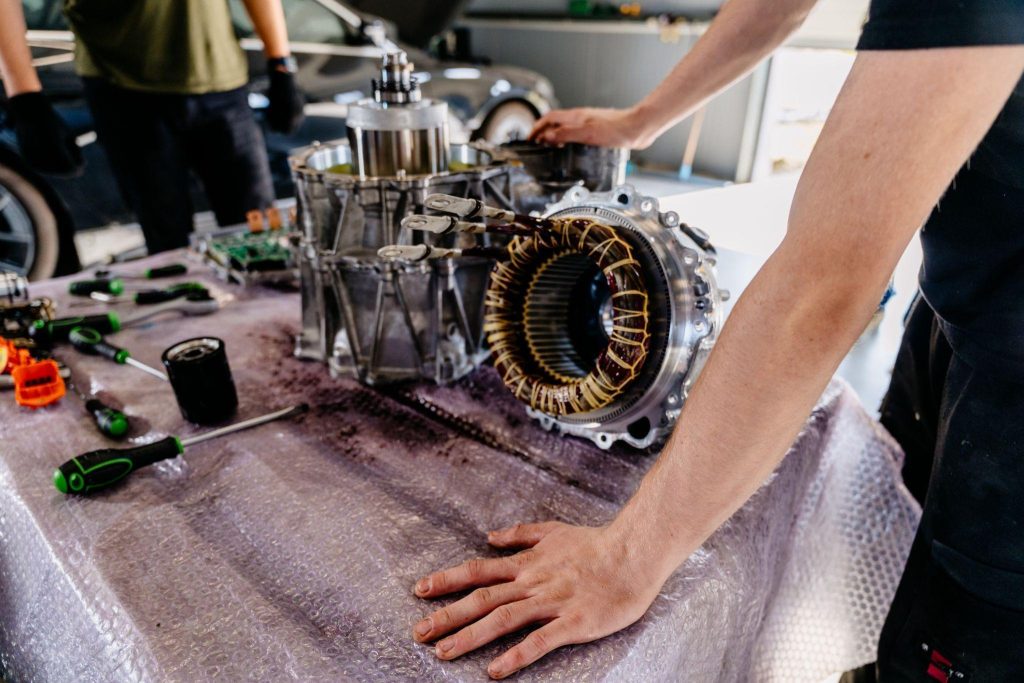
Technicians still need to understand bearings, seals, gears, fluid condition, leaks, specifications, and mechanical wear. At the same time, electrified drive units introduce high-voltage systems and vehicle-specific service procedures that require additional knowledge and safety awareness.
Through our hybrid technology training course, students can build their understanding of how electrification changes familiar automotive systems. The electric car gearbox is a good example. It may be simpler than a conventional automatic transmission, but correct lubrication remains essential to the mechanical components doing the work.
Would you like to explore training opportunities at our auto mechanic school in Surrey?
Contact ATC Surrey for more information.
Key Takeaways
- Most battery-electric vehicles use reduction gearing between the motor and wheels.
- EV drive units still contain gears and bearings that require lubrication.
- EV fluids can face different mechanical, thermal, and electrical demands from conventional transmission fluids.
- Fluid specifications and service intervals are vehicle-specific.
- Technicians should always consult manufacturer service information before inspecting, draining, or refilling an EV drive unit.
FAQ
Do Electric Cars Need Transmission Fluid or Gear Oil?
Yes, many electric vehicles use lubricant in their drive units to protect reduction gears and bearings. The required fluid and service procedure depend on the specific vehicle.
What Does EV Reduction-Gear Oil Lubricate?
EV reduction-gear oil primarily lubricates gears and bearings inside the drive unit. Depending on the design, the fluid may also contribute to thermal management and interact with electrical components.
How Often Should EV Reduction-Gear Oil Be Changed?
There is no universal EV reduction-gear oil change interval. Technicians should follow the maintenance and service information specified for the exact make, model, year, and drive-unit design.
Can the Wrong Oil Damage an Electric Drive Unit?
Yes. An unsuitable fluid may provide inadequate wear protection or fail to meet the thermal, electrical, or material-compatibility requirements of the drive unit. Manufacturer fluid specifications should always be followed.