
EV PTC Heaters: How Resistive Cabin Heat Works When Temperatures Drop
EV PTC Heaters: Resistive Cabin Heat for Cold-Weather Driving
- A PTC heater uses electrical resistance to produce cabin heat.
- PTC stands for positive temperature coefficient, meaning the heating element’s resistance increases as it warms.
- Some EVs use PTC heaters, heat pumps, or a combination of both.
- Cabin heating consumes battery energy and can reduce driving range.
- Technicians diagnose heating problems by checking system commands, electrical faults, sensors, and related components.
Cold weather can make an electric vehicle’s cabin heating system work harder. Unlike a gasoline-powered car, an EV cannot rely on a running combustion engine to provide waste heat for the cabin.
So, how do electric cars heat the cabin when temperatures drop?
One solution is a PTC heater, which uses electricity to generate warmth. It can provide cabin heat without waiting for a gasoline engine to warm up, making it an important part of some electric vehicle heating systems.
For future automotive technicians, understanding this technology helps explain how EVs manage passenger comfort and why heating problems require a different diagnostic approach.
What Is a PTC Heater in an Electric Vehicle?
It is an electrical heating device that produces warmth by passing current through a special resistive material. PTC stands for positive temperature coefficient. As a PTC element enters its positive-temperature-coefficient operating range, its resistance rises sharply as temperature increases, helping limit current and further heating.
A PTC heater car system can warm cabin air directly or heat coolant that circulates through a heater core.
This self-regulating design helps deliver heat quickly while limiting overheating. However, the heater still relies on the vehicle’s electrical controls and safety systems.
Understanding how these components work is useful for students considering our hybrid technology training course, where electrical and mechanical vehicle systems are important areas of study.
What Is the Difference Between a PTC Heater and an EV Heat Pump?
A PTC heater creates heat using electrical resistance, while a heat pump moves existing heat from one place to another. Both can warm an EV’s cabin, but they work differently.
| PTC Heater | EV Heat Pump |
| Converts electricity directly into heat | Uses a refrigerant system to transfer heat |
| Can provide heat quickly | Can use less electricity for the same heating output under suitable conditions |
| Has a relatively straightforward heating principle | Uses components such as a compressor and heat exchangers |
| Can provide supplemental heating in some vehicles | May need assistance in certain cold-weather conditions |
Some vehicles use only resistive heating, while others combine a heat pump with a PTC heater. The design of the electric car heating system determines how these components operate together. For future technicians, this distinction matters because a cabin heating problem may involve different components depending on the vehicle.

Does Resistive Cabin Heating Reduce EV Driving Range?
Does resistive cabin heating reduce EV driving range? Yes. Using a resistive electric car heater consumes electricity that would otherwise be available for driving.
A gasoline-powered vehicle can use heat produced by its engine. A battery-electric vehicle generally needs to supply energy to its cabin heating system.
During cold weather, the EV heater may operate for longer periods to maintain a comfortable cabin temperature. Battery performance and other cold-weather conditions can also affect driving range.
This does not mean drivers should avoid using cabin heat. It means heating is part of the vehicle’s overall energy demand.
Understanding these energy demands is one of the practical reasons to study electrified vehicle systems when preparing to become a hybrid and electric vehicle mechanic.
What Faults Can Cause an EV PTC Heater to Stop Working?
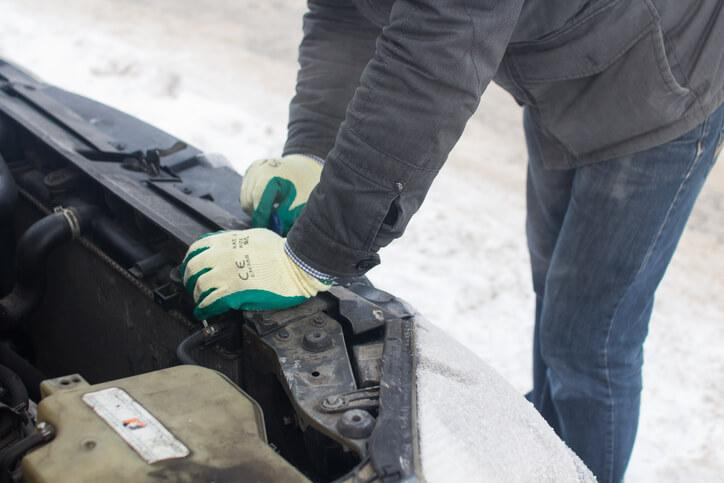
Possible causes include electrical faults, failed heating elements, sensor problems, control-system issues, and faults in related heating components. When an electric vehicle heater stops producing warm air, technicians need to determine whether the heater itself has failed or another component is preventing it from operating.
Depending on the vehicle, diagnosis may involve checking:
- Heating-related diagnostic trouble codes
- Heater commands and temperature sensor readings
- Electrical connectors and control circuits
- Cabin blower operation and airflow
- Coolant circulation in liquid-based heating systems
- High-voltage system faults or safety interlocks
These checks help technicians narrow down the problem before replacing components.
Because many EV heating systems use high-voltage electricity, testing must follow the manufacturer’s specified safety and isolation procedures. Technicians should never assume that an electric heater is safe to handle simply because it is not producing heat.
At our auto mechanic school in Surrey, understanding how vehicle systems interact is an important foundation for developing diagnostic skills.
Are you looking for a comprehensive hybrid technology training course?
Contact ATC Surrey for more information.
Key Takeaways
- A PTC heater converts electrical energy into heat and naturally limits current as its temperature rises.
- EVs can use direct-air or coolant-based resistive heating systems.
- Heat pumps transfer heat rather than generating it directly through electrical resistance.
- Cabin heating uses battery energy and can affect cold-weather driving range.
- Diagnosing heating faults requires understanding electrical controls, sensors, airflow, and high-voltage safety.
FAQ
What Is a PTC Heater in an Electric Vehicle?
A PTC heater is an electric heating device that uses a material whose resistance increases as it warms. It provides cabin heat without relying on gasoline engine waste heat.
What Is the Difference Between a PTC Heater and an EV Heat Pump?
A PTC heater converts electricity directly into heat. A heat pump uses electricity to move heat through a refrigerant system and can be more energy-efficient under suitable conditions.
Does Resistive Cabin Heating Reduce EV Driving Range?
Yes. Resistive heating draws energy from the vehicle’s battery, leaving less energy available for propulsion. The effect depends on heating demand, weather, vehicle design, and other conditions.
What Faults Can Cause an EV PTC Heater to Stop Working?
Possible causes include a failed heating element, electrical or connector faults, sensor problems, control-system issues, or faults affecting airflow or coolant circulation.