EV Heat Pumps Explained: How They Affect Range, Comfort, and Repairs
TL;DR
An EV heat pump improves efficiency by transferring heat instead of generating it, helping extend range in cold weather. However, it adds complexity to the vehicle’s thermal system, requiring careful diagnostics and maintenance.
Cold weather has always been a challenge for electric vehicles, especially when it comes to maintaining cabin comfort without sacrificing range. This is where the EV heat pump comes in.
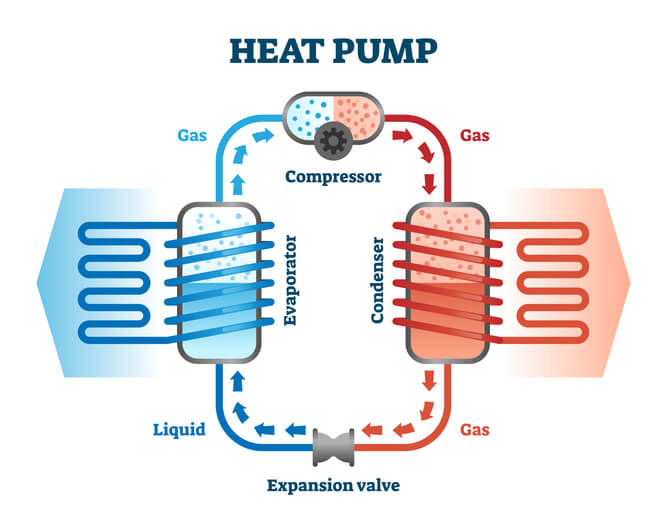
Unlike traditional heating systems, heat pumps reuse existing heat rather than generating it from scratch. This approach improves efficiency and supports overall battery thermal management, particularly in colder climates.
For students at our auto mechanic school in Surrey, understanding how these systems work is essential. Modern EVs rely on integrated heating and cooling systems that directly affect performance, comfort, and long-term EV maintenance.
What Is an EV Heat Pump?
An EV heat pump is a system that moves heat from one area to another rather than producing heat through electrical resistance. It works similarly to an air conditioner but can operate in reverse, capturing heat from outside air, even in cold conditions, and transferring it into the cabin or battery system.
This design allows EVs to maintain interior comfort while using less energy, which helps preserve driving range. If you’re pursuing a career as a hybrid and electric vehicle mechanic, this knowledge is becoming increasingly important as EV technology evolves.
Heat Pump vs Resistive Heating
What’s the difference between a heat pump and resistive EV heating? Resistive heating generates warmth by passing electricity through a heating element, much like a traditional space heater. While effective, it consumes a significant amount of energy from the battery.
An EV heat pump, on the other hand, transfers heat rather than creating it. This makes it far more efficient, especially in moderate cold conditions. However, its performance can decrease in extremely low temperatures, where resistive systems may still be required as a backup.
Why Heat Pumps Matter in Cold Weather
Why do heat pumps matter more in cold weather? In colder climates, heating demands can significantly reduce EV range. By using an EV heat pump, the vehicle can maintain cabin comfort while drawing less energy from the high-voltage battery.
This improved efficiency helps extend driving range and reduces strain on the overall system. It also supports battery thermal management, ensuring that the battery operates within optimal temperature ranges.
For drivers, this translates to better performance and fewer compromises during winter driving.

Common EV HVAC Service Issues
What service issues can show up in EV HVAC systems? Because heat pumps are part of a larger HVAC system, issues can arise in multiple areas. Technicians may encounter problems related to refrigerant levels, sensor faults, or airflow restrictions.
As you’ll discover during your training at our auto mechanic school in Surrey, faults in the EV coolant system can affect both heating and battery cooling performance. Since these systems are interconnected, diagnosing issues requires a comprehensive understanding of how components interact.
Unlike traditional systems, EV HVAC setups are more integrated, making proper diagnostics essential.
The Role of Thermal Systems in EV Maintenance
Thermal systems in EVs go beyond cabin comfort. They also regulate battery temperature, protect electronic components, and ensure consistent performance.
The EV heat pump works alongside cooling systems to manage heat distribution throughout the vehicle. This integration is a key part of modern electric car maintenance, where multiple systems rely on shared components.
For an electric vehicle technician, understanding these relationships is critical for accurate troubleshooting and long-term vehicle reliability.
Are Heat Pump Systems Covered in Training?
Do EV programs cover thermal and HVAC fundamentals? Yes. Programs such as the hybrid technology training course at ATC Surrey introduce students to EV thermal systems, including heat pumps, cooling circuits, and HVAC diagnostics.
Students learn how these systems interact with the battery and electrical components, as well as how to diagnose issues safely. Training also emphasizes system-level thinking, which is essential for working with modern EVs.
Are you looking for comprehensive hybrid and electrical mechanic training?
Contact ATC Surrey for more information.
Key Takeaways
- An EV heat pump improves efficiency by transferring heat instead of generating it
- Heat pumps help extend range, especially in cold weather
- These systems are part of a broader battery thermal management
- HVAC and coolant issues can affect both comfort and performance
- Understanding thermal systems is essential for modern EV diagnostics
FAQ
What’s the difference between a heat pump and resistive EV heating?
A heat pump transfers heat, while resistive heating generates it using electricity.
Why do heat pumps matter more in cold weather?
They improve efficiency and help preserve battery range during heating demands.
What service issues can show up in EV HVAC systems?
Issues may include refrigerant problems, sensor faults, or coolant system failures.
Do EV programs cover thermal and HVAC fundamentals?
Yes, these systems are included in modern hybrid and electric vehicle training programs.