EV Battery Recycling 101: What Aspiring Mechanics Should Know
TL;DR
EV battery recycling is a growing part of modern automotive work. When electric vehicle batteries reach the end of their driving life, they’re recycled or repurposed for second-life applications. Aspiring mechanics need to understand EV battery safety, disposal rules, and sustainability practices as electrification expands.
As more EVs enter Canadian roads, a new question is gaining importance inside repair shops and training programs alike: what happens to electric vehicle batteries when they wear out?
For aspiring technicians, understanding EV battery recycling isn’t about working in a recycling plant. It’s about safety, compliance, and being prepared for how electric vehicles move through their full lifecycle. From handling damaged battery packs to knowing when a battery can be reused instead of discarded, these concepts are becoming part of modern automotive knowledge.
This guide breaks down what happens to EV batteries after their driving life ends, how second-life batteries are used, and why battery awareness matters for anyone pursuing automotive training today.
What Happens to Electric Car Batteries When They Wear Out?
They’re removed safely and either recycled for materials or evaluated for second-life reuse. When an EV battery no longer meets performance standards for driving, often around 70–80% of its original capacity, it doesn’t automatically become waste.
Most lithium-ion EV batteries are removed from vehicles through specialized processes that prioritize safety. Batteries are inspected, discharged, and either prepared for recycling or evaluated for reuse. Because these packs contain valuable materials such as lithium, cobalt, nickel, and copper, disposal is tightly regulated.
In Canada, EV battery handling and recycling fall under environmental and hazardous material guidelines designed to prevent fire risk and environmental damage. According to Natural Resources Canada, battery recycling plays a key role in reducing waste and securing critical mineral supply chains.
For mechanics, this means understanding when a battery must be isolated, tagged, or referred to certified handlers rather than treated like a conventional component.
Can EV Batteries Be Recycled or Given a “Second Life”?
Yes. Often both.
Some batteries are sent directly to recycling facilities, where they’re dismantled and processed to recover raw materials. These materials are then reused in manufacturing new batteries, reducing the need for mining.
Others enter what’s known as second-life batteries. Even when a battery is no longer ideal for powering a vehicle, it may still have years of useful capacity left. These batteries are commonly repurposed for:
- stationary energy storage
- backup power systems
- renewable energy integration
- grid balancing applications
The International Energy Agency highlights second-life batteries as a growing solution for energy storage while improving EV sustainability. Understanding this lifecycle helps technicians appreciate why proper removal and assessment matter.
Why Should Auto Mechanics Learn About Battery Recycling and Disposal?
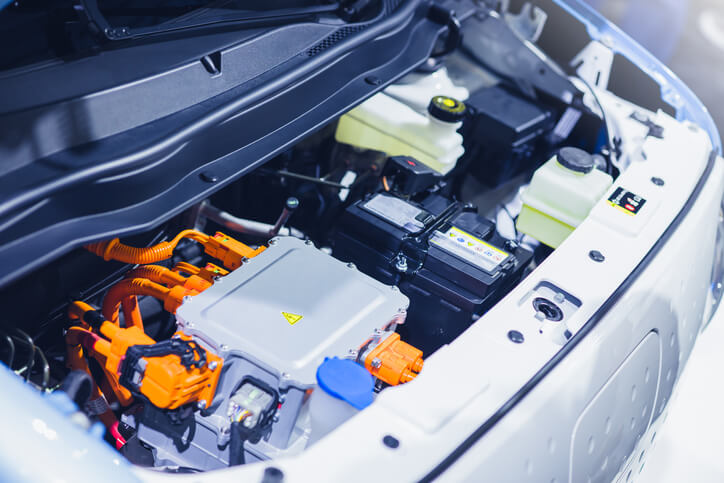
EV battery safety is directly tied to technician safety. High-voltage batteries can pose fire, chemical, and electrical risks if mishandled. Even after a vehicle is powered down, energy can remain stored.
Mechanics may encounter EV batteries during collision repairs, diagnostics, or decommissioning. Knowing when a battery must be quarantined, transported, or reported protects both the technician and the shop. It supports sustainable mechanical practices by ensuring compliance with environmental standards.
This is why our modern auto mechanic school in Toronto introduces EV battery fundamentals alongside traditional systems.
How Are Used EV Batteries Repurposed or Reused in Other Applications?
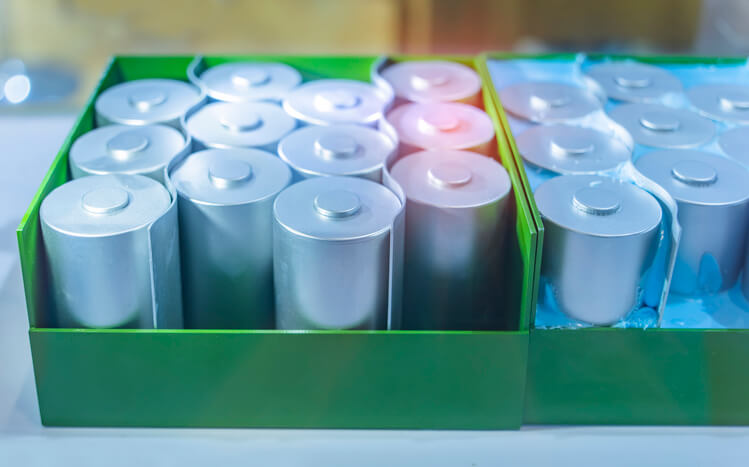
Before reuse, batteries are tested to determine remaining capacity and structural integrity. Modules that pass inspection can be reconfigured for non-vehicle applications.
The U.S. Department of Energy notes that second-life EV batteries can be used in residential storage, commercial facilities, and utility-scale projects. For technicians, this reinforces why careful removal and documentation matter. A battery damaged during improper handling may lose its reuse potential, increasing waste and cost.
How EV Battery Recycling Connects to Technician Career Growth
As electrification accelerates, employers increasingly value technicians who understand EV systems beyond basic maintenance. Knowledge of battery lifecycles, safety zones, and disposal protocols supports better diagnostics and decision-making.
Training that includes battery technology training and sustainability awareness prepares graduates to work confidently with hybrid and electric vehicles. It also positions them for long-term growth as regulations and vehicle technology continue to evolve.
If you’re interested in specializing further, automotive training can open doors to advanced roles in the industry.
Why EV Battery Recycling Matters for the Future of Auto Repair
EV battery recycling isn’t a distant issue; it’s already shaping repair policies, insurance procedures, and shop workflows. As more EVs age, technicians will increasingly encounter questions around battery condition, transport, and environmental responsibility.
Understanding the basics now gives aspiring mechanics a strong foundation. It also aligns with where the industry is heading: safer practices, smarter sustainability, and a more complete view of vehicle lifecycles.
Would you like to become a hybrid and electric vehicle mechanic?
Contact ATC Toronto for more information.
Key Takeaways
- EV batteries are recycled or repurposed after their driving life ends
- Second-life batteries support energy storage and sustainability goals
- EV battery safety is critical for technicians and repair shops
- Battery awareness is becoming part of standard automotive training
- Understanding recycling supports long-term career readiness in EV service
FAQ: EV Battery Recycling
What happens to electric car batteries when they wear out?
They’re removed safely and either recycled for materials or evaluated for second-life reuse.
Can EV batteries be recycled or given a “second life”?
Yes. Often both.
Why should auto mechanics learn about battery recycling and disposal?
EV battery safety is directly tied to technician safety. High-voltage batteries can pose fire, chemical, and electrical risks if mishandled.
How are used EV batteries repurposed or reused in other applications?
Before reuse, batteries are tested to determine remaining capacity and structural integrity. Modules that pass inspection can be reconfigured for non-vehicle applications.