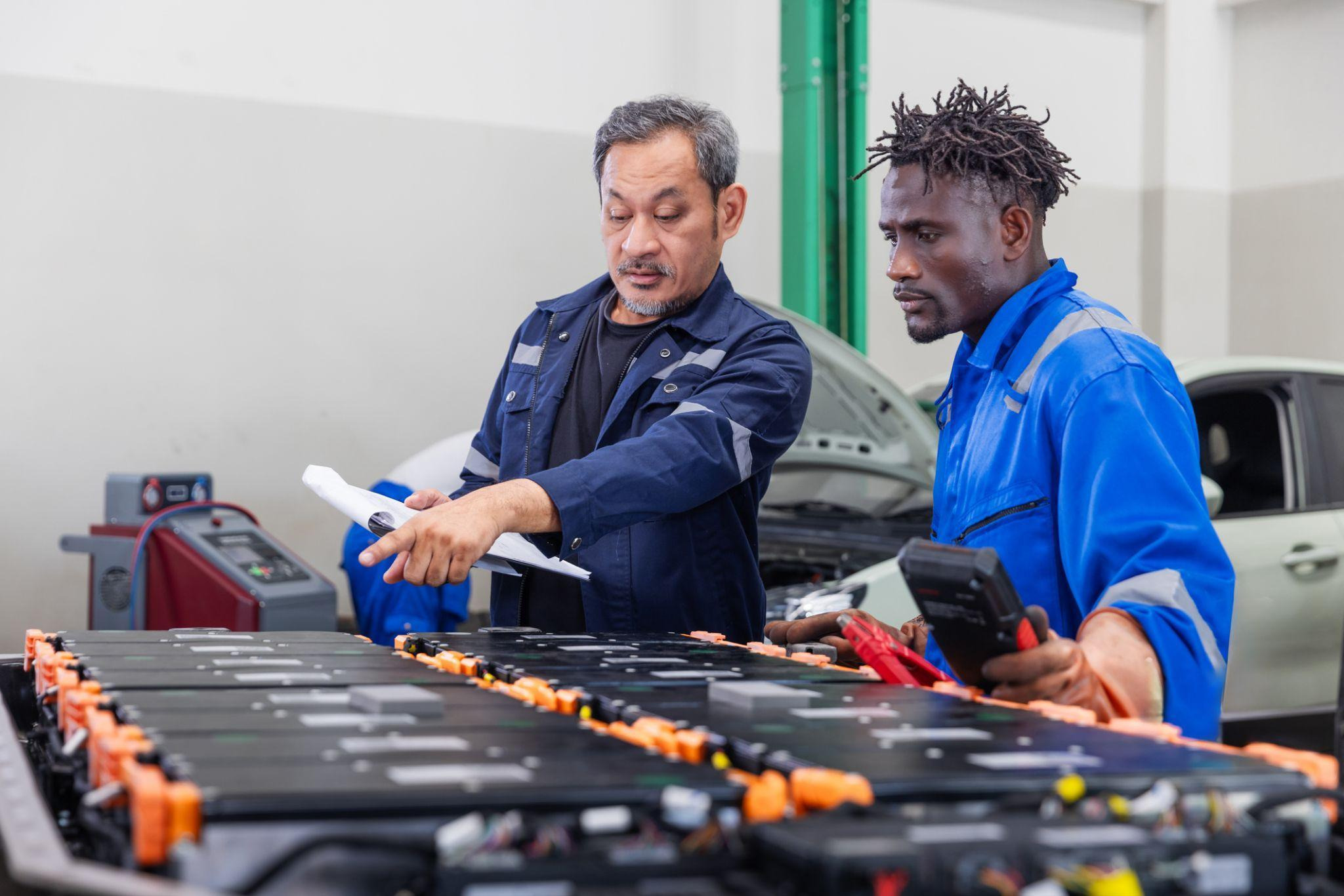
EV Battery Preconditioning: Why Temperature Changes Charging Speed and Range
EV Battery Preconditioning in Brief
EV battery preconditioning prepares an electric vehicle’s battery for the ideal operating temperature before driving or DC fast charging. This improves charging performance, helps protect EV battery life, and allows the battery thermal management system to work more efficiently. Understanding how these systems operate is becoming an essential skill for future EV technicians.
Electric vehicle technology has advanced rapidly, and modern batteries are far more sophisticated than many people realize. One of the smartest features found in many newer EVs is EV battery preconditioning. While drivers may simply notice that charging is faster or range is more consistent, there’s a great deal happening behind the scenes.
Battery temperature has a major influence on charging speed, performance, and long-term durability. That’s why manufacturers design advanced battery thermal management systems that keep batteries operating within an ideal temperature range. Learning how these systems work is an important part of becoming a skilled hybrid and electric vehicle mechanic.
What Is EV Battery Preconditioning?
It is the process of warming or cooling the battery before driving or charging so it reaches its optimal operating temperature.
Unlike gasoline vehicles, lithium-ion batteries perform best within a relatively narrow temperature range. If the battery is too cold, charging slows considerably. If it’s too hot, the vehicle’s control system may limit charging speed to protect the battery.
When EV battery preconditioning is activated, the vehicle automatically adjusts battery temperature using its battery thermal management system. Some EVs begin this process automatically when a driver enters a DC fast charging station into the navigation system, while others allow manual activation before departure. Students at our auto mechanic school in Surrey gain exposure to modern EV technology.
Does Battery Preconditioning Improve Fast-Charging Speed?
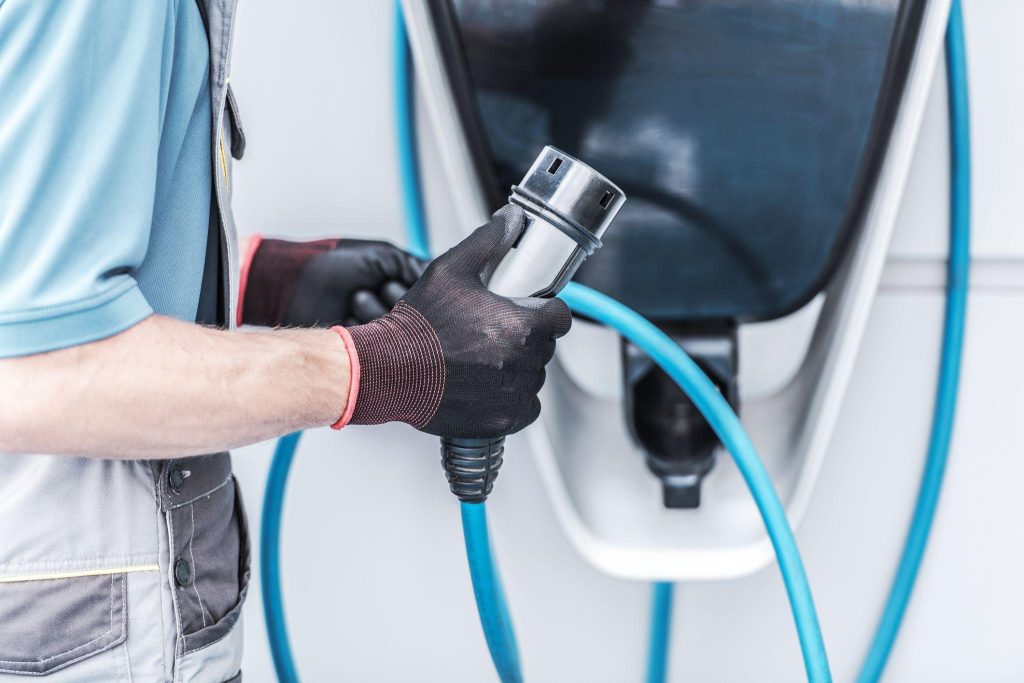
Yes. One of its biggest benefits is preparing the battery to accept higher charging rates. During DC fast charging, electricity flows into the battery much faster than during Level 2 charging. If the battery is too cold, the vehicle limits charging power to protect battery cells.
By preconditioning the battery before arriving at the charging station, many EVs can begin charging closer to their maximum charging rate, reducing overall charging time. This is particularly valuable during Canadian winters, when cold temperatures can significantly affect battery performance.
Hybrid technology training course students need to understand these operating strategies because customers often ask why charging speeds vary from one charging session to another.
Does Preconditioning Increase Electric Vehicle Range?
It can help improve efficiency under certain conditions, especially in cold weather. When the battery begins operating at an optimal temperature, energy flows more efficiently between the battery and electric motors. Less energy is spent overcoming the effects of extreme temperatures, allowing the vehicle to perform more consistently.
Although EV battery preconditioning doesn’t permanently increase battery capacity, it supports better overall efficiency while helping maintain EV battery life over time. Proper temperature management also contributes to preserving the vehicle’s EV battery state of health, which reflects how much of the battery’s original capacity remains after years of use.

How Long Should an EV Battery Precondition Before Fast Charging?
The exact time depends on the vehicle, outside temperature, battery size, and manufacturer programming. In many modern EVs, preconditioning begins automatically while driving to a programmed charging destination. Rather than focusing on a specific number of minutes, manufacturers allow the vehicle to determine how much heating or cooling is required before arrival.
For technicians, understanding this automation is becoming increasingly important. Customers may believe something is wrong if they hear cooling fans operating before charging or notice increased energy use during preconditioning. Explaining that these systems are functioning as designed helps build customer confidence while preventing unnecessary repairs.
As electric vehicles continue to evolve, training programs increasingly emphasize advanced battery systems alongside traditional diagnostics. Students at ATC auto mechanic school in Surrey gain exposure to modern EV technology, while a specialized hybrid technology training course provides deeper knowledge of battery management, high-voltage safety, charging systems, and thermal controls that are shaping today’s automotive industry.
Would you like to become a hybrid and electric vehicle mechanic?
Contact ATC Surrey for more information.
Key Takeaways
- EV battery preconditioning prepares the battery for optimal performance before driving or charging.
- Proper battery thermal management improves charging efficiency and helps protect battery components.
- DC fast charging is typically faster when the battery is already at an ideal operating temperature.
- Effective temperature control contributes to maintaining EV battery life and supporting long-term EV battery state of health.
- Future EV technicians benefit from understanding how modern battery management systems improve vehicle performance and customer satisfaction.
FAQ
What is EV battery preconditioning?
It is the process of heating or cooling an EV battery before driving or charging so it reaches an ideal operating temperature.
Does battery preconditioning improve fast-charging speed?
Yes. By bringing the battery to its optimal temperature, vehicles can often achieve higher DC fast charging rates and shorter charging times.
Does preconditioning increase electric vehicle range?
While it doesn’t increase battery capacity, preconditioning can improve efficiency in certain conditions by allowing the battery to operate at its optimal temperature.
How long should an EV battery precondition before fast charging?
The required time varies depending on the vehicle, battery temperature, and weather conditions. Most modern EVs automatically determine when and how long to precondition before reaching a charging station.