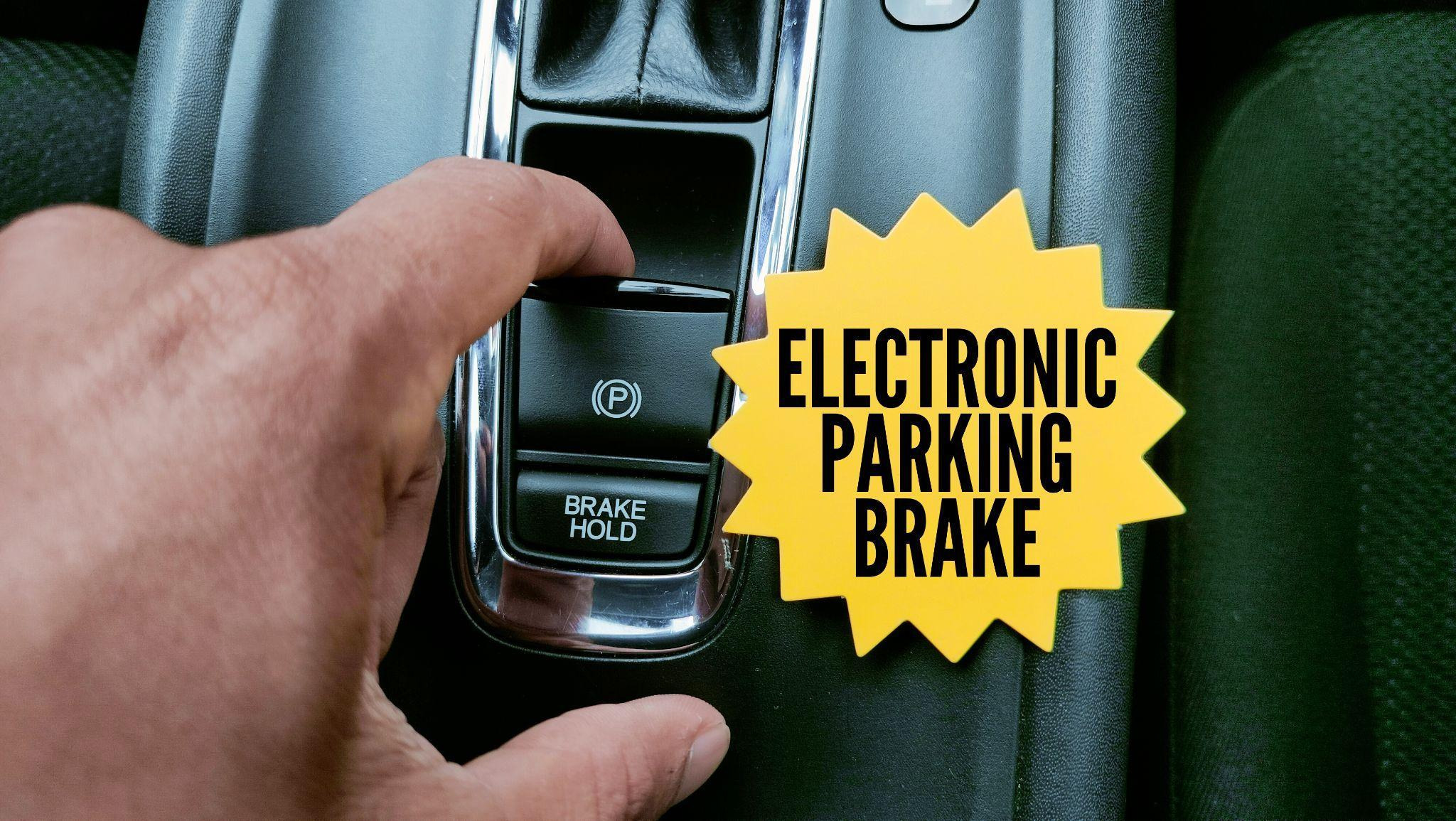
Electronic Parking Brake Stuck? Why Service Mode Matters During EV Brake Work
In Summary: Why Service Mode Matters During a Stuck Parking Brake
Electronic parking brakes use electrically controlled actuators rather than relying solely on a conventional hand lever or foot-operated parking brake mechanism. During some rear brake procedures, technicians must place the system into a manufacturer-specified service or maintenance mode before working on the calipers and pads. Skipping the prescribed procedure can interfere with proper servicing or potentially damage components. A stuck parking brake also requires diagnosis because electrical, mechanical, calibration, and control-system issues can produce similar symptoms.
Brake service is becoming increasingly electronic. Even a familiar job such as replacing rear brake pads may now involve scan tools, electronic actuators, control modules, and manufacturer-specific procedures.
That is especially relevant for future technicians working on hybrid and electric vehicles. Although these vehicles may use regenerative braking to recover energy during deceleration, they still have conventional friction brakes that require inspection and service.
Students at an auto mechanic school in Surrey therefore need to understand not only brake hardware, but also the electronic systems controlling it. When faced with a stuck parking brake or routine rear brake work, knowing when and how service mode applies can be an important part of the diagnostic and repair process.
What Is Electronic Parking-Brake Service Mode?
It is a manufacturer-defined procedure that places an electronic parking brake (EPB) system into a condition suitable for specified brake service operations.
Electronic parking brakes typically use electric actuators to apply and release the parking brake. Depending on vehicle design, those components may be integrated with or attached to the rear brake calipers.
That changes how technicians approach rear brake work.
For example, Audi technical training information describes using a scan tool service function when replacing rear brake pads. The parking brake is opened sufficiently for pad replacement, and after installation, the system closes and establishes the required clearance. (NHTSA)
Students completing a hybrid technology training course can benefit from understanding how electronically controlled brake functions fit into broader EV service procedures.
Why Is Service Mode Required Before Replacing Rear Brake Pads?
On vehicles that specify the procedure, service mode allows the electronic parking brake mechanism to be positioned correctly before technicians perform the brake work. Manufacturer instructions matter because EPB designs and procedures vary.
Ford service information, for example, instructs technicians to activate brake service mode before performing specified rear brake pad work and deactivate the mode once the repair has been completed. Ford has also issued guidance for certain vehicles requiring technicians to use a diagnostic scan tool to enter parking-brake maintenance mode.
This illustrates an important lesson for anyone preparing to become a hybrid and electric vehicle mechanic: there is no single universal procedure that should be assumed to work on every vehicle.
Technicians need to consult the correct service information for the make, model, year, and system they are repairing.

What Happens If Service Mode Is Skipped During Brake Work?
The consequences depend on the vehicle, which is precisely why technicians should follow manufacturer procedures.
Trying to manually force or retract components that are supposed to be electronically positioned can interfere with the repair and may risk component damage. The correct procedure may also include additional steps after brake installation. Service information for electronic parking brake systems demonstrates how closely EPB operation can be connected to other electronic brake controls.
This connection helps explain why understanding ABS in automotive applications is increasingly relevant to modern brake diagnosis. What is the ABS system technology doing alongside the parking brake? The larger answer is that modern braking functions may share sensors, modules, network information, and diagnostic procedures.
Good brake inspections therefore extend beyond checking pad thickness. Technicians may also need to consider warning indicators, diagnostic trouble codes, electronic controls, and manufacturer service procedures.
Can a Stuck Parking Brake Be Reset?
Can a stuck electronic parking brake be reset? Sometimes a manufacturer-approved reset, calibration, or diagnostic procedure may resolve a particular EPB condition, but technicians first need to determine why the brake is not releasing.
A stuck parking brake can have different possible causes. Depending on system design, the problem might involve an actuator, electrical connection, control module, mechanical brake component, calibration issue, or another fault.
Diagnosis may involve inspecting mechanical components, checking electrical connections, retrieving diagnostic trouble codes, and using appropriate scan-tool functions. The objective is to identify the fault before replacing components or attempting system-specific resets.
How Do Regenerative Braking and ABS Fit Into EV Brake Service?
EV brake systems combine technologies that future technicians need to understand as part of a larger system. Regenerative braking uses the electric drivetrain to recover some kinetic energy during deceleration and return it to the battery. Friction brakes remain necessary, however, including for stronger braking demands, low-speed stopping, parking, and other operating conditions.
ABS also remains an important component of the car brake system, helping manage wheel slip under braking. Modern brake work can therefore require mechanical ability alongside electrical and diagnostic knowledge.
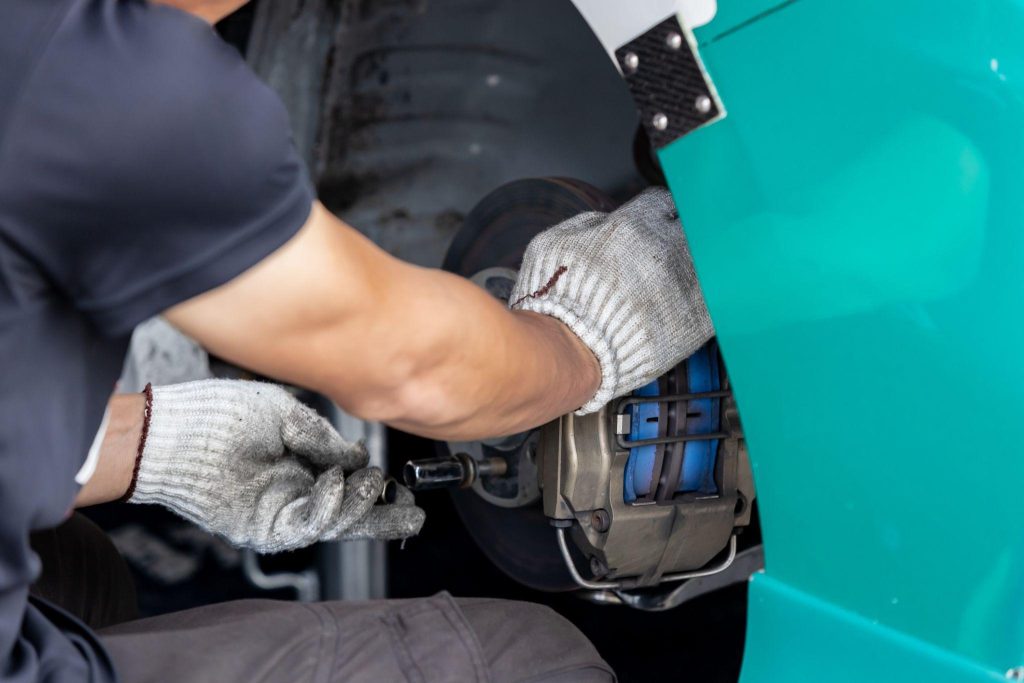
Why Does High Voltage Safety Still Matter During EV Brake Work?
Brake components themselves may operate separately from the propulsion battery’s high-voltage circuits, but technicians working on electrified vehicles still need broader high-voltage safety awareness.
Technicians should use manufacturer service information to determine whether high-voltage isolation or other safety procedures are required before a particular operation.
This distinction matters. Working on an EV does not mean every repair automatically requires disabling the high-voltage system, but neither should a technician make assumptions about electrical safety.
Learning to identify the systems involved, consult service documentation, and follow the prescribed safety procedure is a core part of modern automotive professionalism.
Would you like to explore training options at our auto mechanic school in Surrey?
Contact ATC Surrey for more information.
Key Takeaways
- A stuck parking brake may result from mechanical, electrical, actuator, calibration, or control-system concerns.
- Electronic parking-brake service mode prepares certain systems for specified rear brake procedures.
- Manufacturer procedures should always determine how service mode is activated and deactivated.
- Skipping a required service procedure may interfere with brake work or risk component damage.
- Regenerative braking does not eliminate the need for conventional friction brake inspection and service.
- Modern brake systems can integrate EPB, ABS, electronic controls, and diagnostic functions.
- EV technicians need mechanical, diagnostic, and high-voltage safety knowledge to work safely across electrified vehicle systems.
FAQ
What is electronic parking-brake service mode?
Electronic parking-brake service mode is a manufacturer-defined procedure used to place certain EPB systems into the correct state for specified brake maintenance or repair work.
Why is service mode required before replacing rear brake pads?
On vehicles requiring it, service mode correctly positions or retracts the electronic parking-brake mechanism so rear brake components can be serviced according to manufacturer instructions.
What happens if service mode is skipped during brake work?
The consequences depend on vehicle design. Skipping a required procedure can make servicing difficult, interfere with correct EPB operation, or potentially damage components. Always follow manufacturer service information.
Can a stuck electronic parking brake be reset?
Sometimes, but there is no universal reset. Technicians should diagnose the cause first and follow the manufacturer-approved reset, calibration, or repair procedure for the specific vehicle.