Electric Vehicle Technician Career: What You’ll Actually Do in the Shop
TL;DR
An electric vehicle technician works on much more than batteries. Today’s EV technicians diagnose software issues, inspect thermal systems, perform charging diagnostics, and follow strict high-voltage safety procedures. Through EV technician training, students develop the technical and safety skills needed to work on modern electric vehicles in dealerships, fleets, and repair shops.
The role of the electric vehicle technician is changing the modern repair shop faster than many people expected. As more hybrid and electric vehicles appear on Canadian roads, repair facilities are looking for technicians who understand advanced diagnostics, battery systems, charging complaints, and high-voltage safety procedures.
For students exploring future-focused auto careers, EV repair offers a unique combination of hands-on mechanical work and modern technology. While many people assume EV technicians only replace batteries, the reality is far more technical and varied.
Today’s electric vehicle technicians work with diagnostic software, electrical systems, cooling systems, regenerative braking components, and communication modules. The role combines traditional repair knowledge with advanced electronic troubleshooting skills.
What Does an Electric Vehicle Technician Actually Do?
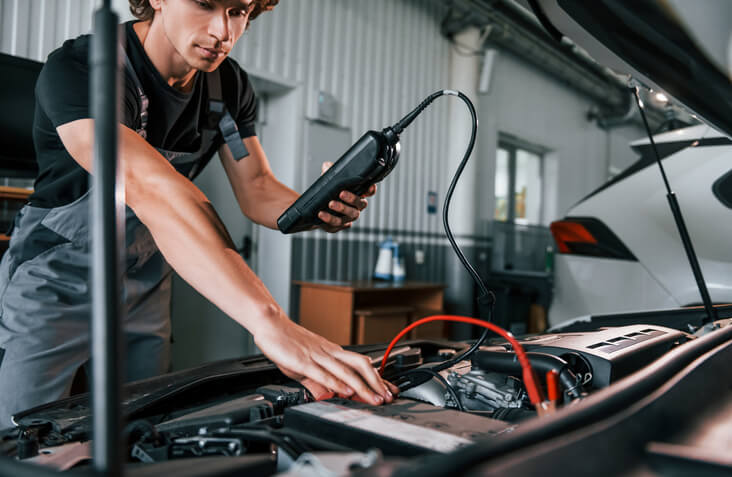
What skills are most important for EV technicians today? A modern electric vehicle technician spends much of the day diagnosing problems, testing systems, and interpreting data from vehicle software. Unlike older vehicles that rely more heavily on mechanical systems, EVs generate large amounts of live diagnostic information.
Common daily responsibilities may include:
- Reading and interpreting fault codes
- Diagnosing charging system concerns
- Testing battery management systems
- Inspecting electric drive motors
- Troubleshooting warning lights and communication errors
- Evaluating thermal management system performance
- Performing software updates and calibrations
Although EV technology is highly computerized, traditional mechanical skills still matter. Suspension systems, steering components, brakes, tires, and HVAC systems all continue requiring regular service and inspection.
Strong automotive training programs help students understand diagnostics, repair procedures, safety standards, and workplace expectations.
Why High Voltage Safety Matters
What safety training is required before working high-voltage jobs? One of the most important parts of becoming an electric vehicle mechanic is understanding high-voltage safety procedures. EV battery systems operate at dangerous voltages, so technicians must follow strict protocols before beginning repairs.
Technicians learn how to:
- Identify high-voltage components and cables
- Safely isolate battery systems
- Use proper personal protective equipment (PPE)
- Follow lockout and tag-out procedures
- Respond appropriately during electrical emergencies
For students interested in future-focused, zero-emission auto careers, ATC’s training to become a hybrid and electric vehicle mechanic can provide valuable exposure to one of the fastest-growing segments of the automotive industry.
EV Repair Involves More Than Battery Replacements
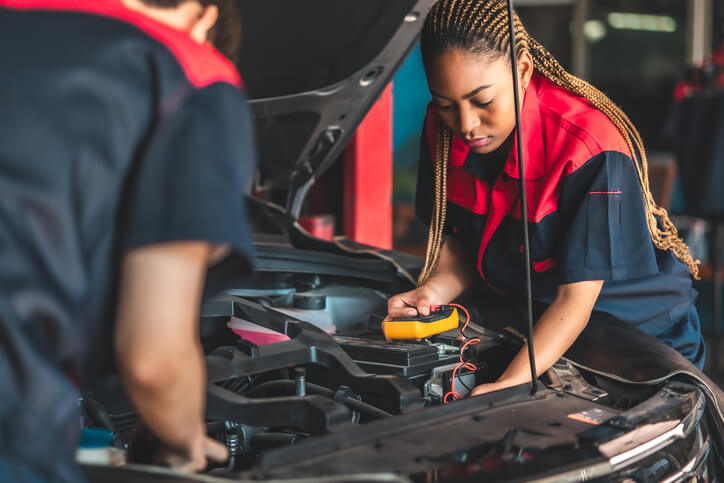
Do EV technicians only work on batteries and charging issues? No battery replacement is only one part of the job. Modern EV systems also include:
- Thermal management systems
- Regenerative braking systems
- Charging ports and charging hardware
- Electric drive units
- Power electronics
- Cabin climate systems
- Vehicle communication networks
This blend of technology and mechanical work is one reason many students pursue EV mechanic training as the industry continues evolving.
Communication and Professionalism Are Important Skills
Technical knowledge is essential, but communication skills also matter for today’s automotive service technician. EV owners often have questions about charging behaviour, driving range, warning lights, and software updates.
Technicians must be able to explain:
- Diagnostic findings clearly
- Recommended repairs
- Maintenance requirements
- Charging concerns
- Repair timelines
Strong communication helps build trust with customers who may still be unfamiliar with EV technology. Repair shops also rely heavily on teamwork. Complex diagnostics may involve collaboration among technicians, shop foremen, and service advisors to efficiently identify problems.
How Training Prepares Students for EV Careers
As EV adoption continues growing across Canada, employers increasingly look for technicians with specialized electrical and diagnostic knowledge.
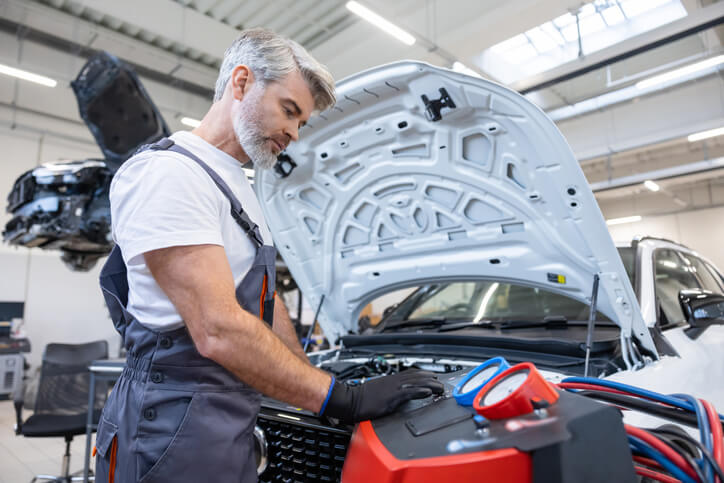
Students at our auto mechanic school can build foundational repair skills while gaining exposure to modern hybrid and electric vehicle systems. Programs focused on EV technology can help prepare graduates for opportunities in dealerships, independent repair facilities, fleet operations, and specialized EV shops.
Are you interested in training for a career as a hybrid and electric vehicle mechanic?
Contact ATC Toronto for more information.
Key Takeaways
- Electric vehicle technicians work on diagnostics, charging systems, thermal management, and software-related repairs
- High-voltage safety procedures are essential before servicing EV systems
- EV repair involves both advanced technology and traditional mechanical skills
- Communication and teamwork remain important for automotive service technicians
- EV technician training helps students prepare for modern automotive repair environments
FAQ
What skills are most important for EV technicians today?
Important skills for today’s electric vehicle technician include diagnostics, problem-solving, computer literacy, electrical system knowledge, and strong high-voltage safety practices.
Do EV technicians only work on batteries and charging issues?
No. An electric vehicle mechanic may also diagnose thermal systems, regenerative braking systems, electric drive motors, HVAC systems, and communication networks.
What safety training is required before working high-voltage jobs?
Technicians typically receive training on battery isolation procedures, PPE usage, lockout and tag-out processes, and general high-voltage safety standards.
What’s the fastest path from training to an EV-focused role?
Many students begin with foundational automotive training before pursuing EV technician training focused on hybrid and electric vehicle systems.