Electric Car Maintenance: What’s Different From Gas Cars (and What’s Still the Same)
TL;DR
Electric car maintenance reduces some traditional service needs, but it does not eliminate regular shop visits. EVs still require inspections for tires, brakes, suspension, steering, cabin filters, charging systems, EV coolant, and thermal management components. Technicians also need to understand newer systems such as the EV heat pump, EV motor, and battery cooling circuits. For students interested in modern automotive work, hybrid and electric mechanic training can help build the skills needed to service both familiar vehicle systems and emerging EV technologies.
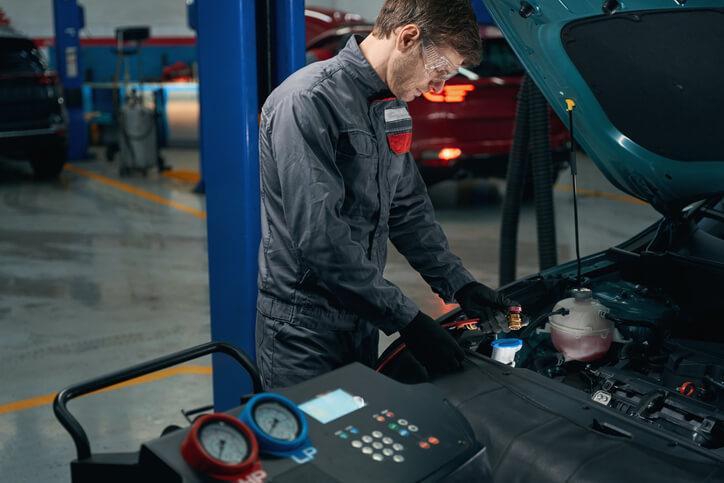
As more electric vehicles appear on Canadian roads, drivers and technicians are learning that electric car maintenance is different from gas vehicle maintenance, but not necessarily simpler in every way. EVs remove some familiar service items, such as engine oil changes, spark plugs, belts, and exhaust system repairs. However, they also introduce new systems that require proper inspection, diagnostics, and preventive care.
For repair shops, this shift is changing daily service routines. Technicians may spend less time on internal combustion engine components but more time reviewing software data, checking thermal systems, inspecting charging components, and confirming that electrical systems are operating correctly.
Zero-emission vehicles in Canada are becoming a larger part of Canada’s transportation future, making EV knowledge increasingly relevant for drivers, technicians, and students preparing for automotive careers.
EVs Reduce Some Maintenance, But They Do Not Remove It
One of the biggest differences between EVs and gas-powered vehicles is the absence of a traditional engine. This means EV owners do not need oil changes, fuel filters, spark plugs, timing belts, or many exhaust-related repairs.
Still, EV maintenance remains important. Regular service may include:
- Tire rotations and inspections
- Brake system checks
- Suspension and steering inspections
- Cabin air filter replacement
- Charging port inspections
- Battery cooling system checks
- Software diagnostics and updates
- EV coolant inspection, where applicable
What EV systems create the most service visits? The cooling system is especially important because many EV batteries rely on liquid thermal management to help maintain safe and efficient operating temperatures. If EV coolant levels, quality, or circulation are not properly monitored, battery performance and long-term reliability can be affected.
This is why electric car maintenance is less about engine upkeep and more about system monitoring, safety checks, and preventive inspections.
New EV Systems Technicians Need to Understand
EVs introduce several systems that are not found in traditional gas-powered vehicles. These systems require technicians to develop stronger diagnostic and electrical knowledge.
The EV motor is one example. Unlike a gas engine, an EV motor has fewer moving parts and does not require oil changes in the same way. However, technicians may still need to inspect related drivetrain components, cooling systems, electrical connections, mounts, and warning codes when performance concerns arise.
Another important system is the EV heat pump. Many electric vehicles use a heat pump to improve heating efficiency and help preserve driving range in colder weather. In Canada, where winter conditions can affect battery performance, the EV heat pump plays an important role in driver comfort and energy management.
When these systems are not working properly, drivers may notice reduced range, weak cabin heating, warning lights, unusual noises, or inconsistent performance. These concerns can lead to service visits even when the vehicle does not have a traditional engine problem.
Familiar Service Items Still Matter
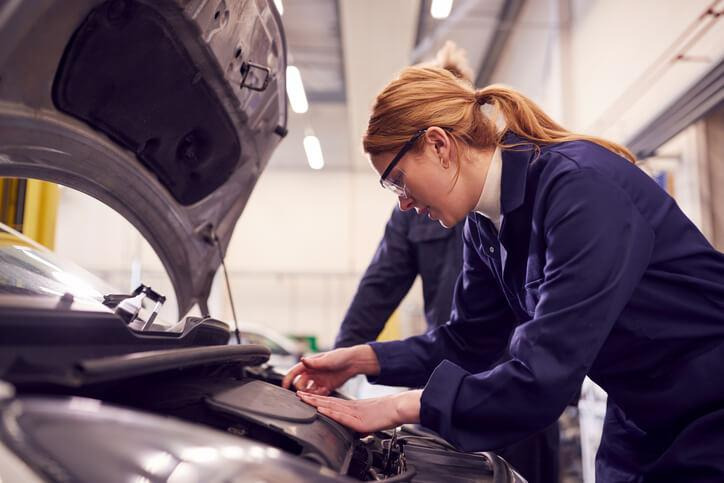
What maintenance items do EVs still require regularly? Even though EVs are technologically different from gas vehicles, many familiar repair fundamentals still apply. Technicians still inspect tires, brakes, steering, suspension, wheel alignment, HVAC systems, lights, wipers, and cabin filters.
Are brakes and tires different on EVs vs gas cars? Tires are a major service item because EVs are often heavier due to battery weight. Instant torque can also contribute to faster tire wear, especially if drivers accelerate aggressively or do not maintain proper tire pressure.
Brakes are different as well. Regenerative braking can reduce wear on brake pads, but it does not eliminate brake maintenance. Because friction brakes may be used less often, technicians still need to watch for corrosion, sticking calipers, brake fluid condition, and rotor wear.
These same principles apply to hybrid car maintenance. Hybrid vehicles combine traditional mechanical systems with electric components, so technicians must understand both sides of the vehicle. A hybrid may still require engine service while also needing battery, motor, and electrical system checks.
Shop Reality: Diagnosing Electric Car Maintenance is Becoming More Important
Modern electric car maintenance often begins with data. Technicians may connect scan tools to review fault codes, battery health information, charging performance, thermal management data, and system communication errors.
This diagnostic work helps answer questions such as whether a concern is mechanical, electrical, software-related, or caused by driver usage patterns. For example, reduced range may involve tire pressure, weather, battery temperature, driving habits, charging behaviour, or an issue with the EV heat pump.
This is where the shop reality of EV service becomes clear. Technicians are not just replacing parts. They are interpreting system information, confirming repair procedures, and explaining findings to customers who may still be learning how EVs behave.
For students at our auto mechanic school in Surrey, this means traditional mechanical knowledge remains valuable, but electrical diagnostics and EV system awareness are becoming increasingly important.
Training for a Changing Automotive Industry
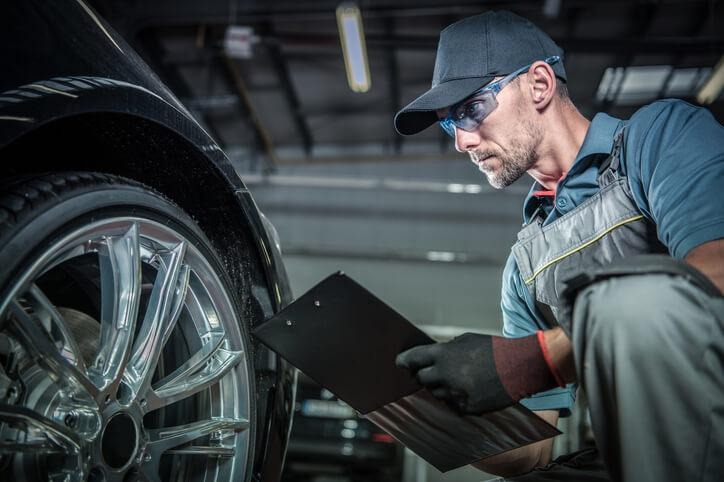
As EV and hybrid adoption grow, employers are looking for technicians who can adapt to changing vehicle technology. A strong foundation in automotive repair still matters, but students also benefit from learning how high-voltage systems, battery cooling, charging systems, and hybrid drivetrains work.
A hybrid technology training course can help students understand how electric and hybrid systems differ from internal combustion engine platforms. Training may cover electrical safety, hybrid operation, diagnostic procedures, battery system basics, and service considerations for modern vehicles.
For those interested in future-focused automotive roles, becoming a hybrid and electric vehicle mechanic can provide a path into work involving both traditional repairs and advanced vehicle systems.
Are you interested in pursuing hybrid and electric mechanic training?
Contact ATC Surrey for more information.
Key Takeaways
- Electric car maintenance reduces engine-related service but still requires regular inspections
- Common EV maintenance areas include tires, brakes, cooling systems, charging components, and diagnostics
- The EV heat pump, EV motor, and EV coolant systems require specialized understanding
- Hybrid car maintenance combines traditional repair knowledge with electric system awareness
- Training helps technicians transition from gas vehicle service to hybrid and EV repair environments
FAQ
What maintenance items do EVs still require regularly?
EVs still require tire rotations, brake inspections, suspension checks, cabin air filter replacement, charging system inspections, software diagnostics, and battery cooling system maintenance.
What EV systems create the most service visits?
Common service areas include charging systems, thermal management systems, tires, brakes, HVAC components, software communication issues, and battery cooling systems.
Are brakes and tires different on EVs vs gas cars?
Yes. EVs are often heavier and produce instant torque, which can affect tire wear. Regenerative braking can reduce pad wear, but brake components still need inspection for corrosion, fluid condition, and proper operation.
What training helps techs transition from ICE to EV service?
Training focused on hybrid and electric vehicle systems helps technicians build skills in electrical diagnostics, charging systems, high-voltage safety, battery cooling, and EV drivetrain operation.