
DC Fast Charging Explained: What Technicians Should Know About Heat, Safety, and Complaints
TL;DR
DC fast charging allows rapid EV charging, but performance depends on battery temperature, system limits, and charger compatibility. Technicians diagnose complaints by evaluating thermal conditions, charging data, and hardware like the EV charging port.
As electric vehicles become more common, DC fast charging is now a regular part of everyday driving. Drivers expect quick, reliable charging, but in practice, charging speed and performance can vary.
For technicians, this leads to a growing number of service visits related to EV charging problems. Customers may report slow charging, interruptions, or inconsistent results between sessions. Understanding the reasons behind these issues is essential for accurate diagnosis.
In modern EV technician training, students learn that fast charging is not just about plugging in. It’s about how the battery, thermal systems, and charging infrastructure all interact.
Why Charging Speed Varies
Why does fast charging speed vary from session to session? Charging speed is not fixed. The rate of DC fast charging depends on several factors, including battery state of charge, temperature, and the vehicle’s internal limits.
When a battery is at a low charge level, it can accept energy quickly. As it fills, the system gradually reduces charging speed to protect battery health. This is a normal behavior, not a fault.
External factors, such as charger capability and connector type, such as NACS vs CCS, can also affect performance. Technicians must consider all of these variables when evaluating complaints.
The Role of Heat and Thermal Management in DC Fast Charging
What role do battery temperature and thermal systems play? Temperature is one of the most important factors in DC fast charging performance. Batteries operate within a specific temperature range, and both cold and excessive heat can reduce charging efficiency.
Thermal management systems work to regulate battery temperature during charging. If the system detects unsafe conditions, it may limit charging speed or pause the session entirely.
This is why technicians often evaluate temperature data when diagnosing EV charging problems. Without proper thermal control, even a fully functional system may not perform as expected.
Common Customer Complaints About DC Fast Charging
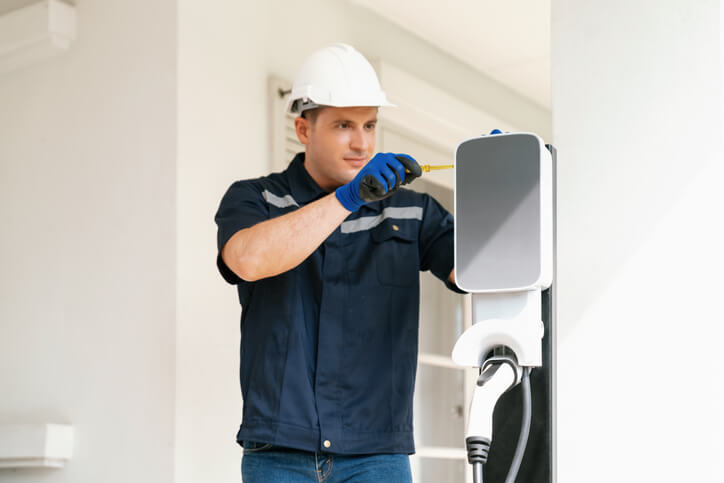
What are common fast-charging-related customer complaints? Many service visits related to DC fast charging involve concerns about slow charging speeds, charging interruptions, or inconsistent results.
In some cases, the issue may be related to the EV charging port, including wear, contamination, or connection problems. These situations may even require charging port replacement if damage is confirmed.
Other complaints may stem from misunderstandings about how fast charging works. For example, customers may expect maximum speed at all times, not realizing that system limits change throughout the charging process.
Technicians must separate normal system behavior from actual faults.
Hardware and Connector Considerations
Charging hardware plays a key role in system performance. Differences between connector types, such as NACS vs CCS, can affect compatibility and charging experience.
Technicians also inspect physical components, including cables and connectors, to ensure proper contact and safe operation. Even minor damage or debris in the EV charging port can lead to inconsistent charging or errors.
Understanding both system behavior and hardware condition is essential for accurate diagnostics.
How Technicians Diagnose Fast Charging Issues
Diagnosing DC fast charging concerns requires a structured approach. Technicians review vehicle data, check system conditions, and inspect hardware components before making conclusions.
Rather than assuming a fault, they verify whether the system is operating within expected parameters. This includes analyzing temperature data, charge rates, and any related system messages.
For students in our auto mechanic school in Surrey, this diagnostic mindset is a key part of learning to work with modern EV systems.
Is Fast Charging Covered in Training?
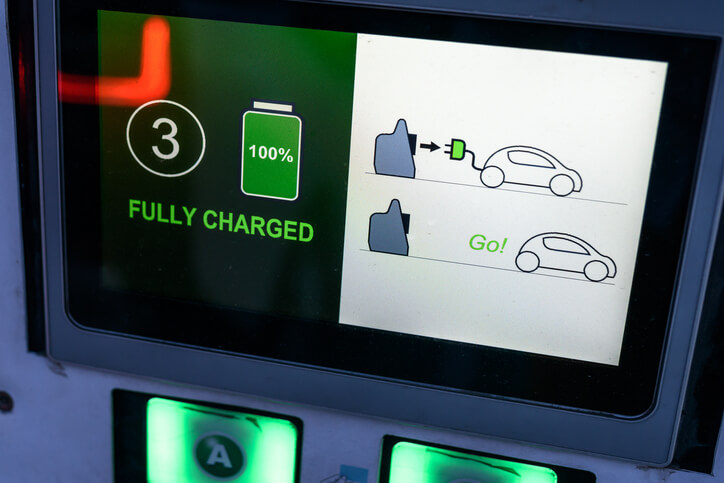
Is EV charging and thermal management taught in training? Yes. Modern programs, such as our hybrid technology training course, include EV charging systems, thermal management, and high-voltage safety.
Students learn how DC fast charging works, how to interpret system behavior, and how to diagnose real-world issues. For budding mechanics, this knowledge is essential as EV adoption continues to grow.
Do you want to become a hybrid and electric vehicle mechanic?
Contact ATC Surrey for more information.
Key Takeaways
- DC fast charging speed varies based on battery state, temperature, and system limits
- Thermal management plays a critical role in charging performance
- Many EV charging problems are related to normal system behavior, not faults
- Hardware issues, including the EV charging port, can affect charging reliability
- Understanding system data is essential for accurate EV diagnostics
FAQ
Why does fast charging speed vary from session to session?
Charging speed changes based on battery charge level, temperature, and system limits.
What role do battery temperature and thermal systems play?
They regulate battery conditions and can limit charging speed to protect the system.
What are common fast-charging-related customer complaints?
Slow charging, interruptions, and inconsistent performance are common concerns.
Is EV charging and thermal management taught in training?
Yes, it is a core part of modern hybrid and electric vehicle training programs.