DC-DC Converter Basics: Why EVs Still Need Low-Voltage Power
A Quick Guide to DC-DC Converters
A DC-DC converter transfers energy from an EV’s high-voltage battery to power the vehicle’s low-voltage system and charge its auxiliary battery. Understanding how these systems work together helps technicians diagnose electrical faults, prevent unnecessary parts replacement, and support effective EV maintenance. These fundamentals are an important part of preparing for a career as a hybrid and electric vehicle mechanic.
Electric vehicles may be known for their high-voltage battery packs, but many of the features drivers rely on every day still operate on 12-volt power. Lights, infotainment systems, windshield wipers, control modules, and safety electronics all depend on a separate electrical network that must remain fully functional.
That’s where the DC-DC converter comes in. Students at our auto mechanic school in Surrey quickly discover that understanding both high- and low-voltage electrical systems is essential for diagnosing today’s hybrid and electric vehicles. Mastering these concepts helps future technicians perform accurate EV maintenance and confidently troubleshoot electrical concerns.
What Does a DC-DC Converter Do in an EV?
A DC-DC converter reduces the high-voltage battery’s electrical output to approximately 12 volts, supplying power to the vehicle’s low-voltage system while charging the auxiliary battery.
Unlike gasoline-powered vehicles that use an alternator, EVs rely on the converter to keep the 12-volt electrical system operating. Without it, many important vehicle functions—including lighting, displays, computers, and power accessories—would stop working properly.
The converter continuously manages power flow while the vehicle operates, ensuring the low-voltage components receive the electricity they need.
Why Do EVs Still Need a Low-Voltage Battery?
Even though an EV has a large traction battery, it still requires an auxiliary battery to operate essential vehicle electronics safely and reliably.
The low-voltage system powers components such as:
- Vehicle computers and control modules
- Door locks and security systems
- Dashboard displays
- Exterior and interior lighting
- Windshield wipers
- Communication systems
When the vehicle starts, the auxiliary battery helps initialize many electronic systems before the high-voltage battery fully powers the vehicle.
Can a DC-DC Converter Problem Cause Warning Lights?
Yes. A faulty DC-DC converter can trigger warning lights and create symptoms that resemble EV battery failure, even when the high-voltage battery itself is functioning normally.
Possible signs include:
- Battery warning messages
- Electrical accessories not operating correctly
- Dashboard warning lights
- Difficulty starting vehicle systems
- Unexpected loss of 12-volt power
Because several different faults can produce similar symptoms, students at ATC auto mechanic school in Surrey learn to perform systematic electrical testing instead of replacing parts based on assumptions.
How Do Technicians Diagnose Low-Voltage Electrical Problems?
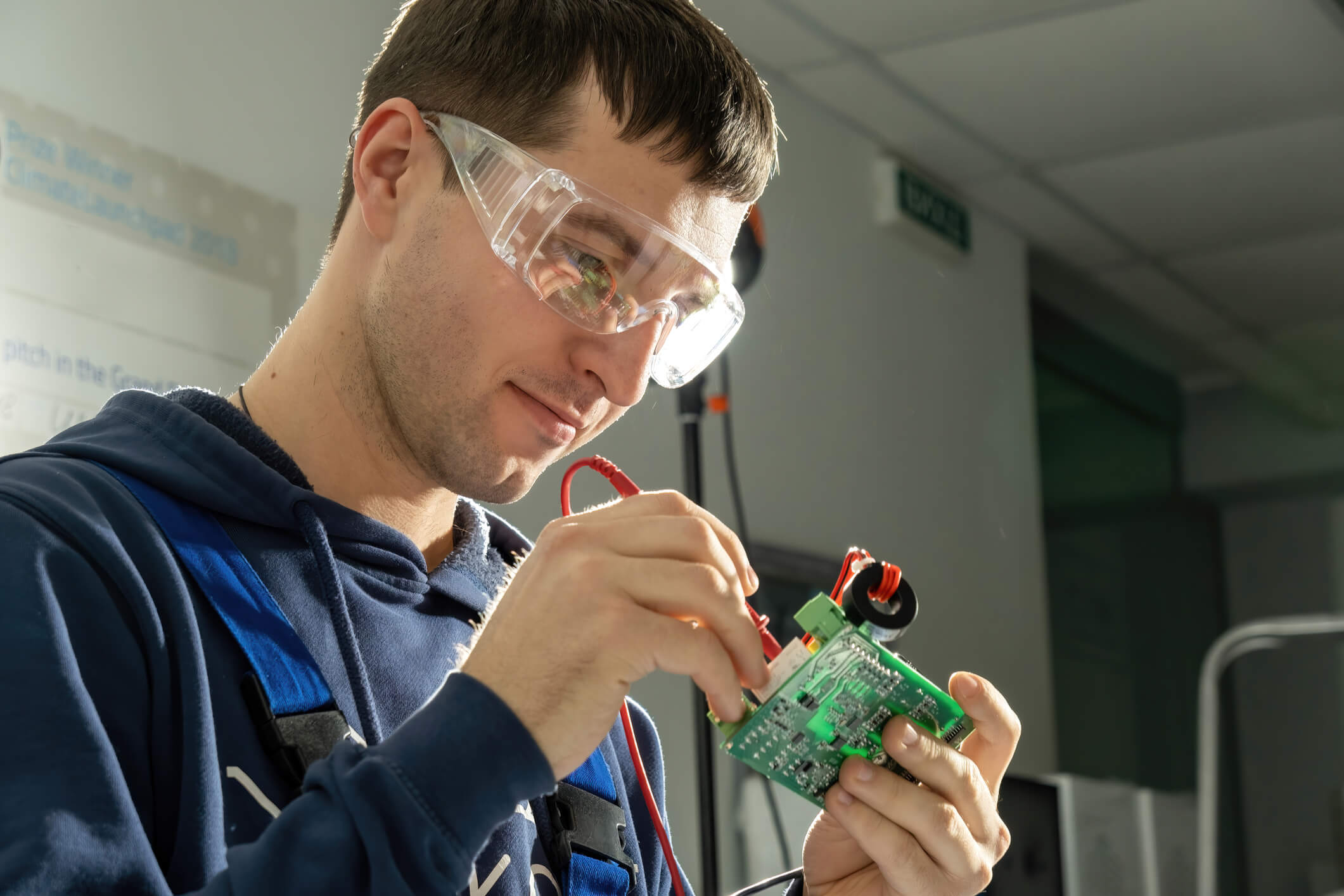
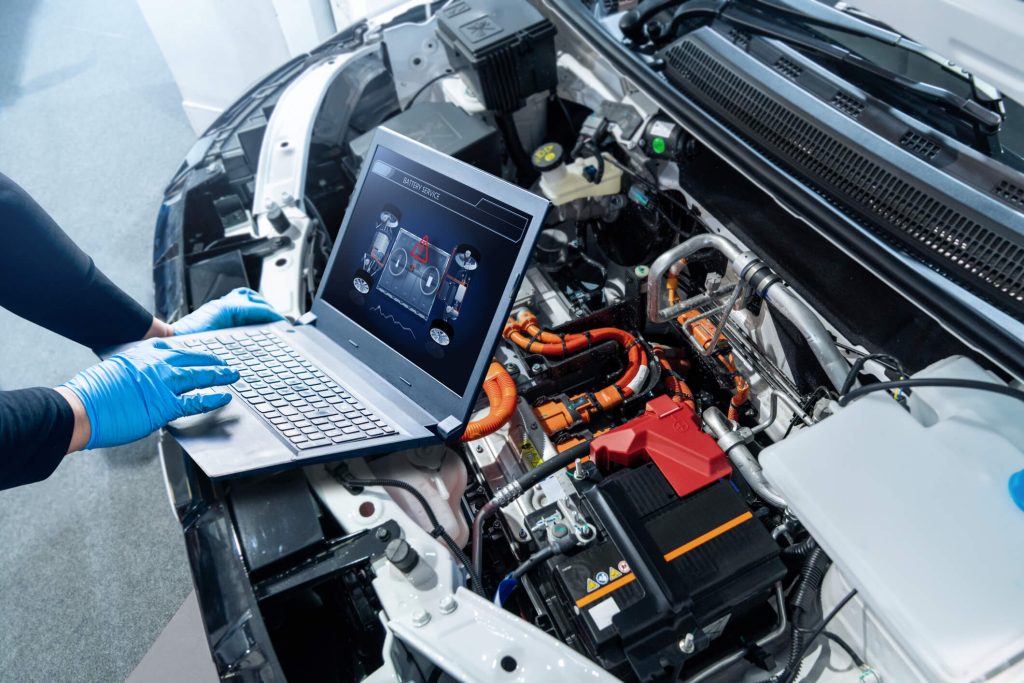
Technicians use manufacturer service information, diagnostic scan tools, multimeters, and electrical testing procedures to determine whether a fault originates in the DC-DC converter, the auxiliary battery, wiring, or another part of the low-voltage system.
Rather than focusing on a single component, technicians verify battery condition, charging voltage, electrical connections, and fault codes before reaching a diagnosis. This structured approach helps prevent unnecessary repairs while ensuring accurate EV maintenance and reliable vehicle operation.
Do EV Mechanic Programs Teach Low-Voltage System Diagnosis?
Yes. Modern Hybrid technology training course programs introduce students to both high-voltage safety procedures and the operation of 12-volt vehicle systems.
If you’re preparing to become a hybrid and electric vehicle mechanic, you’ll learn how electrical systems interact, how to safely work around high-voltage components, and how to diagnose faults affecting batteries, charging systems, modules, and electrical circuits. This balanced understanding prepares graduates for the growing number of hybrid and electric vehicles entering repair shops across Canada.
Ready to Build EV Diagnostic Skills?
ATC offers a Hybrid technology training course that can help you build the practical electrical and diagnostic knowledge needed to become a skilled hybrid and electric vehicle mechanic. Hands-on training prepares graduates for the future of automotive service.
Are you looking for a comprehensive hybrid technology training course?
Contact ATC Surrey for more information.
Key Takeaways
- A DC-DC converter powers an EV’s 12-volt electrical network using energy from the high-voltage battery.
- The auxiliary battery remains essential for starting and supporting the vehicle’s low-voltage system.
- Electrical faults involving the converter can sometimes resemble EV battery failure, making proper diagnosis essential.
- Modern EV maintenance requires technicians to understand both high- and low-voltage electrical systems.
- Professional training helps future technicians safely diagnose electrical faults in today’s hybrid and electric vehicles.
FAQ
What does a DC-DC converter do in an EV?
A DC-DC converter converts electricity from the high-voltage battery into 12-volt power to operate the vehicle’s low-voltage electronics and charge the auxiliary battery.
Why do EVs still need a low-voltage battery?
The auxiliary battery powers essential electronics and control systems that allow the vehicle to operate safely and reliably.
Can a DC-DC converter problem cause warning lights?
Yes. Converter faults can produce battery warnings, electrical malfunctions, and symptoms that may initially resemble EV battery failure.
Do EV mechanic programs teach low-voltage system diagnosis?
Yes. Students learn how the low-voltage system, high-voltage battery, charging systems, and electrical components work together, helping them prepare for careers in EV maintenance and hybrid vehicle repair.