
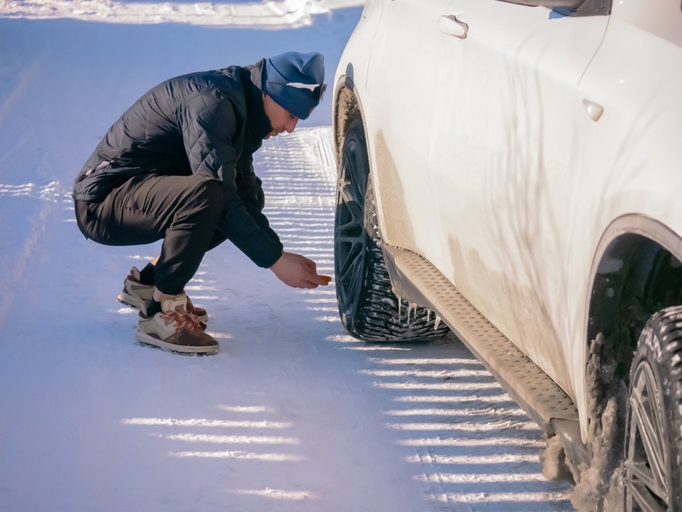
Winter Fuel Economy: What Cold Air, Tire Pressure, and Electrical Loads Teach New Techs
In Brief: Winter Fuel Economy: Why Gas Mileage Drops in Cold Weather in Canada
Winter fuel economy is often lower because cold engines take longer to warm up, dense air increases aerodynamic drag, tire pressure drops, and electrical accessories place additional demands on the vehicle. Winter tires, road conditions, and extended idling can also contribute. Technicians assess driving patterns, tire condition, operating temperature, and diagnostic data to determine whether increased fuel consumption is seasonal or indicates a mechanical problem.
If you’ve noticed your car using more fuel during a Canadian winter, you’re not imagining things. Winter fuel economy often declines as temperatures fall, even when a vehicle is operating normally. Cold engines, lower tire pressure, and the extra energy required for heating and electrical accessories can all contribute.
For aspiring automotive technicians, understanding these changes is an important diagnostic skill. A customer complaining about higher fuel consumption may be experiencing normal seasonal effects, but the same complaint can sometimes point to an underlying mechanical problem. Knowing how to tell the difference is where technical knowledge becomes useful.
Why Does Fuel Economy Drop in Winter?
Does cold weather affect gas mileage? The short answer is yes.
Cold temperatures influence several systems that determine how efficiently a vehicle uses fuel.
| Winter factor | Effect on fuel consumption |
|---|---|
| Cold engine | Takes longer to reach efficient operating temperature |
| Dense winter air | Increases aerodynamic resistance |
| Lower tire pressure | Can increase rolling resistance |
| Winter tires | May have greater rolling resistance than some summer or all-season tires |
| Electrical accessories | Increase demand on the charging system |
| Snow and slush | Increase resistance as tires move through road conditions |
| Idling | Consumes fuel without adding driving distance |
The combined effect varies according to temperature, vehicle design, trip length, and driving conditions.
A vehicle used primarily for short journeys may experience a greater seasonal change than one driven for longer highway trips.
How Do Cold Engines Increase Fuel Consumption?
Internal combustion engines generally operate more efficiently after reaching their intended operating temperature. During a cold start, engine oil is thicker, mechanical friction can be higher, and the engine management system adjusts operation to support starting, warm-up, and emissions control.
These conditions can temporarily increase fuel consumption. Short trips make the effect more noticeable because the engine may spend much of the journey warming up. For example, a driver making several five-minute trips around Cambridge may experience a larger change in fuel economy than someone driving continuously for 40 minutes.
Technicians should consider trip length and warm-up behaviour before assuming that increased fuel use indicates a fault.
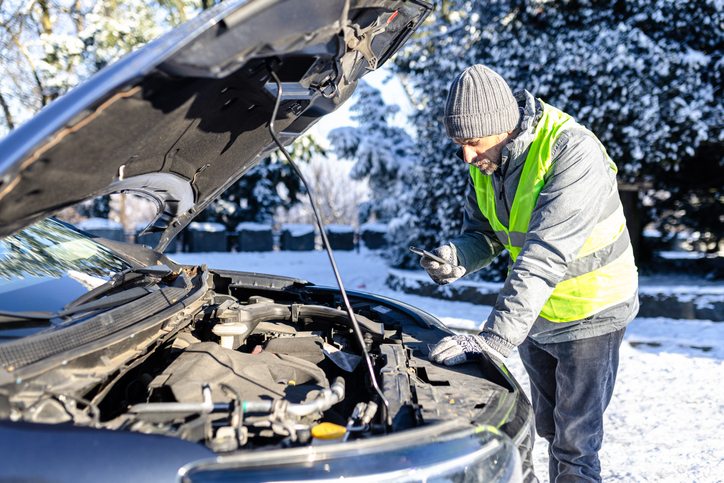
Why Does Tire Pressure Matter in Cold Weather?
Tire pressure decreases as temperatures fall. When tires are underinflated, their rolling resistance can increase because the tire flexes more as it rotates.
The engine must then work harder to move the vehicle. Technicians check tire pressure when the tires are cold and compare the readings with the vehicle manufacturer’s specifications.
The correct pressure is generally listed on the vehicle’s tire information placard, not the maximum pressure printed on the tire sidewall. Cold weather can also trigger tire pressure monitoring system warnings. Maintaining the specified pressure supports fuel efficiency, tire performance, and safe handling.
Do Winter Tires Affect Gas Mileage?
Winter tires are designed to provide traction in cold conditions, including snow and ice. Their rubber compounds and tread designs differ from those of many summer or all-season tires. Depending on the tire model, size, construction, and operating conditions, winter tires may create additional rolling resistance.
This can contribute to drivers noticing their gas mileage is worse in winter, although tire choice is only one factor. The important distinction is that winter tires serve a safety purpose. In Ontario, winter tires are strongly recommended for cold-weather driving, even though they are not generally mandatory for passenger vehicles.
Technicians should help customers understand that maintaining appropriate traction is more important than pursuing small fuel savings through unsuitable tires.
How Do Electrical Loads Affect Winter Fuel Economy?
Cold weather increases demand for several electrical systems. Drivers may use rear-window defrosters, heated seats, headlights, windshield wipers, and blower motors more frequently.
In conventional gasoline vehicles, electrical energy is supplied by the alternator while the engine runs. When electrical demand increases, the alternator may require more mechanical power from the engine, contributing to fuel consumption.
Cabin heating works differently. Most conventional gasoline vehicles use waste heat from the engine to warm the cabin, although blower motors and related controls still consume electrical energy. Therefore, cabin heating does not necessarily increase fuel use in the same way as a large electrical heating element.
Extended idling to warm the cabin, however, consumes fuel while the vehicle remains stationary.
How Much Can Cold Weather Change Fuel Consumption?
There is no single percentage that applies to every vehicle. According to the U.S. Department of Energy, conventional gasoline vehicles can experience approximately 10% to 20% lower fuel economy in city driving at 20°F (about −7°C) compared with 77°F (25°C).
On short trips of roughly three to four miles, the reduction can reach approximately 15% to 33% under those conditions. These figures are illustrative estimates, not predictions for every Canadian driver.
Actual car fuel consumption in cold weather depends on the vehicle, temperature, road conditions, trip duration, and driving behaviour. Hybrid vehicles may experience additional effects because cold temperatures can influence battery performance and the frequency of gasoline-engine operation.
When Does Poor Winter Fuel Economy Suggest a Mechanical Problem?
A moderate seasonal decline can be normal. However, unusually high fuel consumption may indicate a problem requiring diagnosis.
Potential warning signs include:
- A check-engine light or stored diagnostic trouble codes.
- An engine that takes unusually long to warm up.
- Rough idling, hesitation, or reduced performance.
- Persistent tire underinflation.
- Brake drag or abnormal wheel temperatures.
- Fuel leaks or unusual fuel odours.
For example, a thermostat stuck open may prevent an engine from reaching its intended operating temperature promptly. This can prolong inefficient warm-up conditions and contribute to increased fuel consumption.
A technician should verify the concern through testing rather than replacing parts based solely on the customer’s mileage estimate.
How Do Technicians Diagnose Poor Winter Fuel Economy?
A structured diagnostic process begins with understanding the complaint. Technicians may:
- Review driving conditions: Ask about trip length, idling, traffic, and recent changes in driving habits.
- Check tire condition: Inspect inflation pressure, tire size, and signs of abnormal wear.
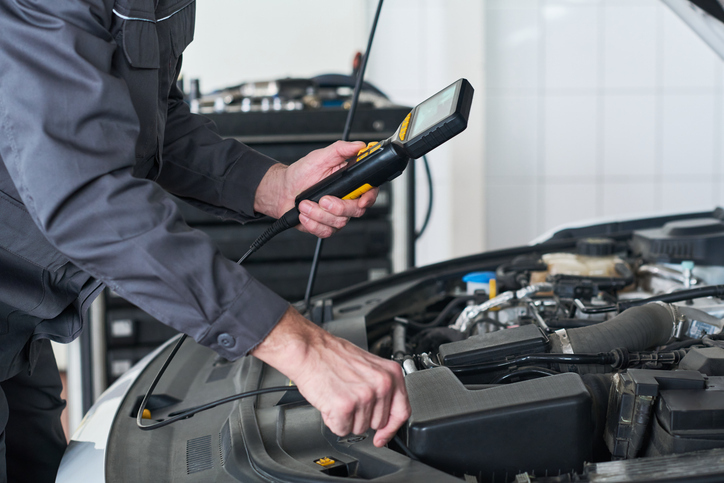
- Review diagnostic data: Check for fault codes and relevant engine operating information.
- Evaluate operating temperature: Confirm that the engine warms up and maintains its intended temperature.
- Inspect mechanical systems: Look for brake drag, fuel leaks, or other faults when symptoms justify further testing.
- Compare results: Determine whether the findings support a seasonal explanation or a mechanical concern.
These steps illustrate why auto mechanic training involves more than memorizing vehicle components. Technicians must connect customer observations with measurable evidence.
What Can Future Automotive Technicians Learn From Winter Fuel Economy?
Fuel economy complaints bring together several areas of automotive technology.
Understanding cold-start operation requires knowledge of engine management. Tire-related losses involve inflation pressure and rolling resistance. Electrical loads introduce the relationship between alternator output and engine power.
Auto mechanic school students can use these examples to understand how different vehicle systems influence one another. The goal is to develop a logical diagnostic approach: identify the complaint, consider normal operating conditions, test likely causes, and explain the findings clearly.
Explore Automotive Training at ATC Cambridge
Winter driving presents useful lessons about engine efficiency, tire performance, and electrical systems. Understanding why fuel consumption changes with temperature helps future technicians distinguish normal vehicle behaviour from problems that require attention.
If you’re interested in the automotive industry, explore our automotive service technician training in Cambridge and discover the foundational skills involved in vehicle maintenance and diagnosis.
Would you like to become a mechanic?
Contact ATC Cambridge for more information.
Key Takeaways
- Winter fuel economy commonly declines because of cold engine operation, denser air, lower tire pressure, and increased electrical demand.
- Short trips can amplify cold-weather fuel consumption because engines spend more time warming up.
- Underinflated tires increase rolling resistance and can contribute to fuel loss.
- Winter tires may affect fuel efficiency, but their traction benefits are important for safe winter driving.
- Electrical accessories increase alternator demand, while conventional cabin heaters primarily use engine waste heat.
- U.S. Department of Energy estimates show that cold-weather fuel economy losses can be substantial, particularly on short trips.
- Unusually poor fuel economy accompanied by warning lights, rough running, or abnormal operating temperature may indicate a mechanical fault.
- Technicians use driving history, inspection findings, and diagnostic data to distinguish seasonal changes from vehicle problems.
FAQ
Why does fuel economy drop in winter?
Fuel economy can decline because cold engines take longer to warm up, denser air increases drag, tire pressure falls, and electrical accessories place additional demands on the engine. Snow, slush, winter tires, and extended idling can also contribute.
Do winter tires affect gas mileage?
Yes, some winter tires have higher rolling resistance than comparable summer or all-season tires, which may increase fuel consumption. The effect varies by tire design and driving conditions. Winter tires remain important for traction and handling in cold weather.
How much can cold weather change fuel consumption?
The U.S. Department of Energy estimates that conventional gasoline vehicles may experience approximately 10% to 20% lower city fuel economy at −7°C compared with 25°C. Short trips can produce larger reductions. Actual results depend on the vehicle and operating conditions.
When does poor winter fuel economy suggest a vehicle fault?
A mechanical problem becomes more likely when fuel consumption rises unusually sharply or is accompanied by warning lights, rough running, slow engine warm-up, fuel odours, or other symptoms. Technicians should investigate using appropriate diagnostic procedures rather than assuming the change is entirely seasonal.


