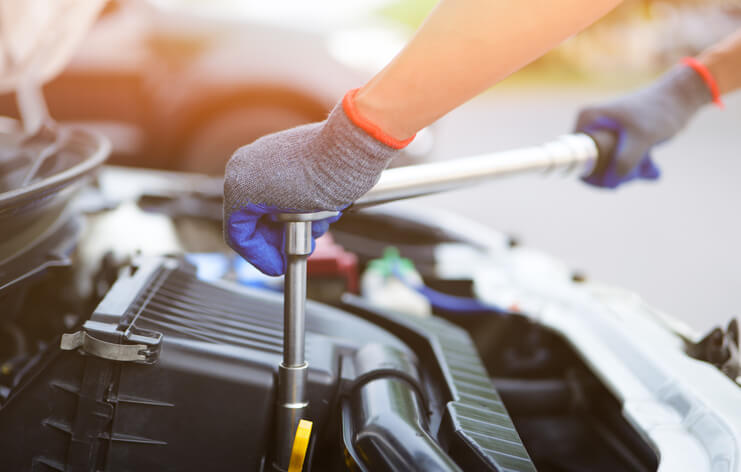
Why Torque Specifications Matter in Auto Mechanic Work
TL;DR
Torque specifications ensure fasteners are tightened to precise manufacturer standards. Following them prevents component failure, protects safety, and is a foundational skill taught in professional auto mechanic training.
Are torque specifications covered in auto mechanic training programs? Torque accuracy is emphasized early in training at ATC auto mechanic school in Surrey, where students learn that precision directly impacts safety and reliability.
In auto repair, tightening a bolt may seem straightforward, but doing it correctly is far more precise than many people realize. Torque specifications define exactly how tight a fastener should be, and ignoring them can lead to serious mechanical failures.
Torque specifications exist to balance strength and flexibility. This blog post explores why torque specifications matter so much in daily mechanic work and how technicians apply them correctly in real shop environments.
What Are Torque Specifications Used For in Auto Repair?
Torque specifications are manufacturer-defined measurements that indicate how much rotational force should be applied to a fastener. These values are typically expressed in Newton-metres (Nm) or foot-pounds (ft-lb) and vary depending on the component, material, and application.
Torque specs are especially critical for components like wheels, cylinder heads, suspension parts, and brake systems. Automotive manufacturers rely on precise torque to ensure components stay secure without damaging threads or surfaces. Organizations like SAE International develop standards that guide how these specifications are engineered and applied across the automotive industry.
Why Is Over-Tightening dangerous?
Improper torque application is a common cause of mechanical issues. Over-tightening, on the other hand, can stretch bolts beyond their elastic limit or damage mating surfaces. Under-tightening can allow bolts to loosen over time, leading to vibrations, leaks, or complete component separation.
Wheel studs snap, brake components warp, and engine parts fail simply because torque specs weren’t followed. These failures are preventable, which is why correct torque application is treated as a core professional responsibility.
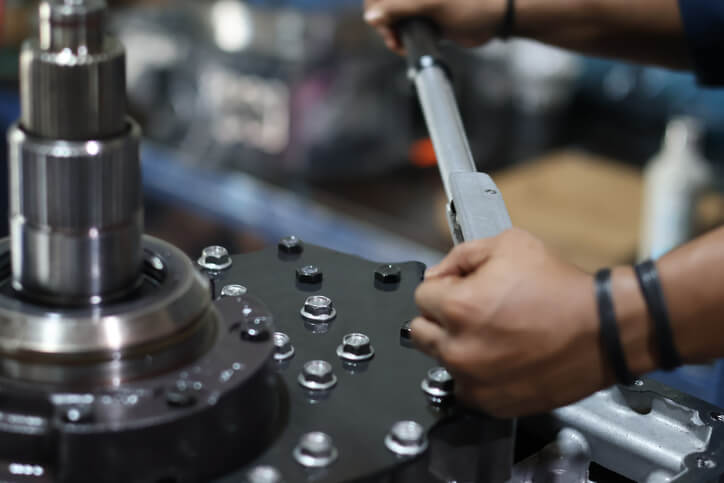
How Do Mechanics Apply Torque Specifications Correctly on the Job?
Mechanics rely on calibrated torque wrenches and manufacturer service manuals to apply torque accurately. The process often involves tightening fasteners in specific sequences and stages rather than all at once.
At ATC Surrey’s automotive service technician program, students practice reading torque charts, setting torque tools correctly, and following tightening patterns. These habits ensure consistency and help reduce the risk of error, especially on critical assemblies.
Why Are Torque Specifications Emphasized at ATC Auto Mechanic School in Surrey?
Torque accuracy is emphasized in training because it reflects real-world expectations. Employers expect technicians to follow manufacturer procedures exactly, not approximate them.
In our auto mechanic course, students learn that torque specifications are part of a larger mindset of precision and accountability.
This approach aligns with vehicle safety principles outlined by Transport Canada, which highlights the role of proper maintenance in preventing mechanical failure and accidents.

How Mastering Torque Specs Builds Long-Term Mechanic Confidence
Technicians who consistently apply torque specs correctly develop a reputation for reliability. Customers may not see torque values being applied, but they experience the results through safe, dependable vehicles.
For students considering hands-on automotive careers, attending ATC Surrey’s auto mechanic school in Surrey provides the opportunity to build these precision skills.
Are you looking for a comprehensive auto mechanic course?
Contact ATC Surrey for more information.
Key Takeaways
- Torque specifications prevent component failure and safety risks
- Over-tightening and under-tightening both cause real mechanical problems
- Proper torque application is a daily mechanic’s responsibility
- These skills are emphasized throughout professional training programs
FAQ
Q: What are torque specifications used for in auto repair?
A: Torque specifications are manufacturer-defined measurements that indicate how much rotational force should be applied to a fastener.
Q: Why is over-tightening dangerous?
A: Improper torque application is a common cause of mechanical issues. Over-tightening, on the other hand, can stretch bolts beyond their elastic limit or damage mating surfaces.
Q: Are torque specifications covered in auto mechanic training programs?
A: Torque accuracy is emphasized early in training at ATC auto mechanic school in Surrey, where students learn that precision directly impacts safety and reliability.