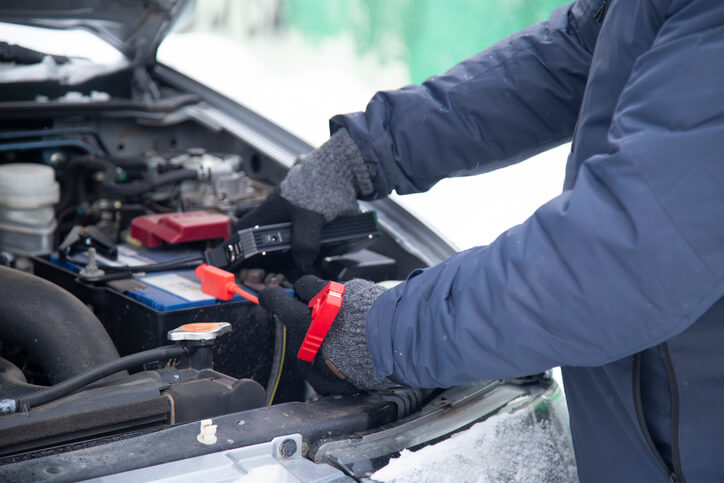
Cold-Start Science: Why Engines Struggle in Quebec Winters
Quebec winters are no joke, and neither is getting a car started on a -25°C morning. Whether it’s a sluggish starter, dim headlights, or that dreaded click-click when you turn the key, the cold makes engines work harder. But why exactly is that? Auto mechanic school explores what is happening under the hood when temperatures drop.
At ATC Montreal, students dive into this question as part of their engine systems training. Understanding what causes these cold-start issues is a hands-on challenge every aspiring mechanic in Quebec must be ready to face.
Let’s explore how automotive school students break down cold-weather performance issues and what they do to fix them.
1. Cold Weather Thickens Engine Oil
When it’s freezing outside, engine oil becomes more viscous. That thickened oil flows more slowly, making it harder for the engine to circulate lubrication at startup. If oil can’t coat the components quickly, parts wear faster, and more friction builds up. That’s why winter-rated oils (like 5W-30 or 0W-20) are essential in places like Quebec. In training, students learn how to:
- Read and interpret oil viscosity charts
- Match oil types to seasonal requirements
- Replace oil using the manufacturer’s recommendations
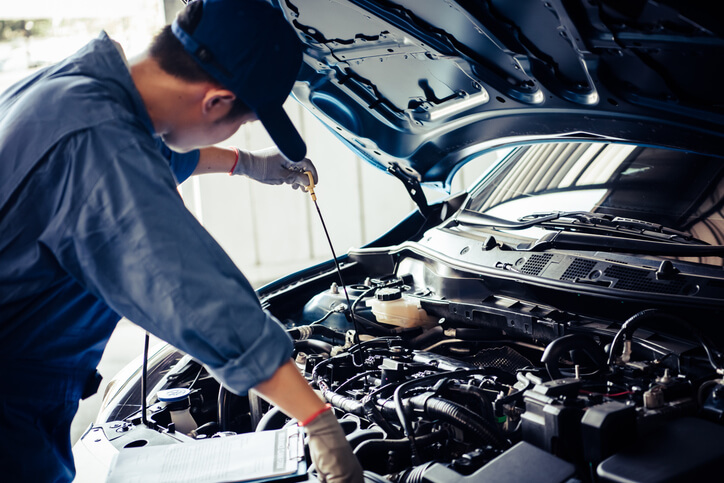
2. Battery Performance Drops in the Cold
Car batteries lose around 35% of their power at 0°C and up to 60% at -18°C. The chemical reactions inside the battery slow down, reducing its ability to provide sufficient cranking power. At the same time, cold oil and sluggish components require more energy to start. During automotive training, students learn:
- How to load test a weak battery
- Signs of battery degradation
- Tips for boosting and safe jump-start procedures
3. Fuel Doesn’t Vaporize as Easily
Engines need a precise air-fuel mixture to start properly. In cold weather, gasoline vaporizes less efficiently, which can lead to incomplete combustion or misfires. That’s why modern engines adjust their air-fuel ratio automatically in winter, something auto mechanic school students get to diagnose using scan tools and sensors. Key lessons include:
- Interpreting oxygen sensor and fuel trim data
- Recognizing signs of lean or rich mixtures
- Understanding cold-start enrichment systems
4. Fluids and Components Contract
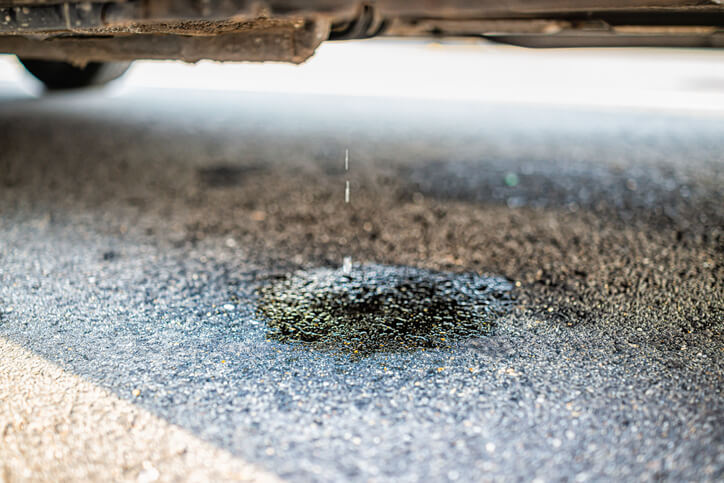
From coolant to transmission fluid, many components contract and thicken in the cold. Rubber hoses become brittle. Seals may leak. Plastic connectors may snap if handled too aggressively. This is where proper warm-up procedures and winter-specific inspections come in. Students practice:
- Inspecting for fluid leaks and hose cracks
- Advising customers on seasonal maintenance
- Performing system flushes and winter checks
Auto Mechanic School Highlights How Preventive Maintenance Makes All the Difference
Quebec’s harsh climate trains future technicians to anticipate seasonal stress on engines. At ATC Montreal, winter diagnostics are baked into the curriculum, because students will face them the moment they graduate.
The path to auto careers in Quebec requires more than just general knowledge. It demands cold-start savvy, engine systems mastery, and the confidence to troubleshoot in freezing conditions.
Cold starts are complex mechanical puzzles that future techs must know how to solve. For students at ATC Montreal, these lessons start in the classroom and get put to the test in the shop. Because in Quebec, winter is a season… and a teacher.
Are you ready to turn your love of engines into a career? Explore our auto mechanic school and train for a future that runs smooth, whatever the weather.