Wheel Cylinder Problems: Drum Brake Leaks, Pulling, and Inspection Basics
In Brief: Bad Wheel Cylinder Symptoms
- Wheel cylinders can leak, seize, or move improperly.
- Common clues include fluid leakage, braking imbalance, and reduced rear-brake operation.
- Fluid inside a brake drum requires careful inspection to identify its source.
- Technicians inspect the complete drum-brake assembly rather than diagnosing from one symptom.
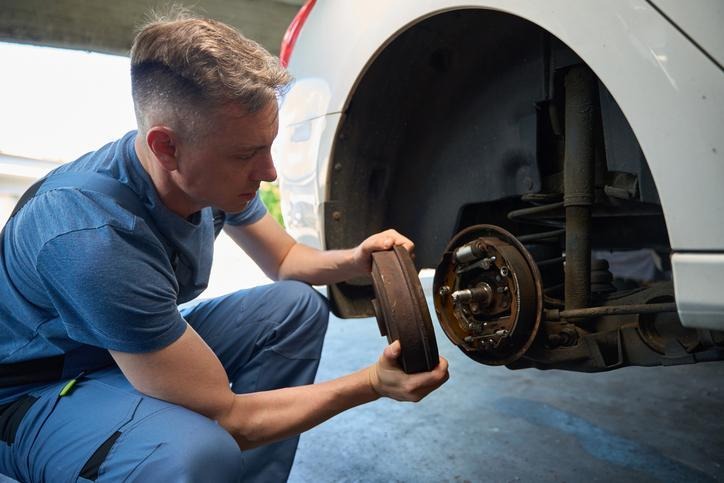
If you remove a rear brake drum and find unexpected fluid inside, the wheel cylinder needs immediate attention. But the inspection should not stop there.
A wheel cylinder converts hydraulic pressure into movement at the brake shoes. Leakage or restricted piston movement can therefore affect how effectively that wheel contributes to braking. A seized rear wheel cylinder can prevent the rear brake from applying properly.
In our auto mechanic training, drum-brake diagnosis provides a practical example of why technicians need to inspect hydraulic components, friction surfaces, adjustment, and hardware together.
What Are Bad Wheel Cylinder Symptoms?
Possible clues include brake-fluid leakage, reduced braking from the affected wheel, uneven braking, or a low or unusual brake-pedal condition.
The symptoms also depend on how the cylinder has failed. A leaking seal can allow hydraulic fluid to escape, while internal corrosion can restrict piston movement. Raybestos explains that moisture in brake fluid can contribute to corrosion inside a wheel cylinder and potentially cause it to freeze.
That means seized wheel cylinder symptoms may differ from symptoms caused by an external leak. Diagnosis needs to establish what the cylinder is actually doing.
Why Is Brake Fluid Leaking Inside A Rear Drum?
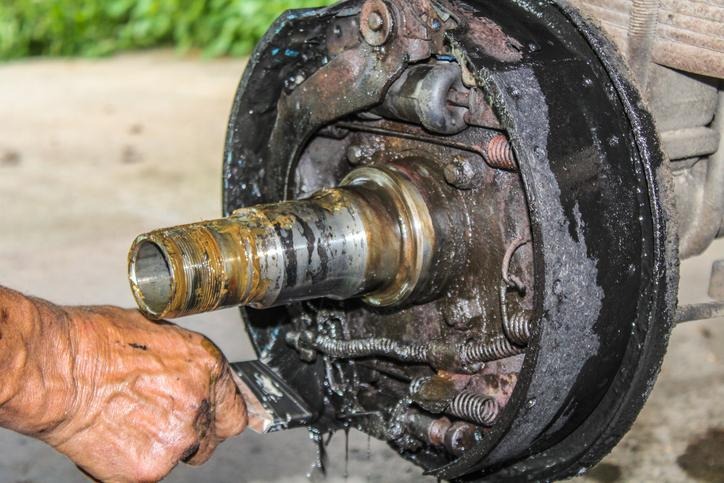
A leaking wheel cylinder is one possible source because the cylinder forms part of the hydraulic brake circuit inside the drum assembly.
Technicians inspect around the cylinder and determine whether the wetness is actually hydraulic fluid. This distinction matters as some wheel cylinders use assembly lubricant that can appear around the boot, so slight dampness alone does not necessarily indicate leakage. Excessive wetness or dripping is more significant.
If a leak is confirmed, the surrounding shoes, drum, hardware, brake line connection, and other affected components should also be inspected. Students at our auto mechanic school learn to treat wheel cylinder leaking symptoms as part of a wider brake-system inspection.
Can A Leaking Wheel Cylinder Cause A Car To Pull When Braking?
It can contribute to uneven braking if the affected wheel produces less braking force than the wheel on the opposite side.
Hydraulic leakage can reduce effective operation at that wheel, while fluid reaching friction material can further affect braking. A seized cylinder can also prevent the rear shoes from applying normally. A seized rear wheel cylinder can leave the front brakes doing more of the stopping work.
However, pulling is not proof of a failed wheel cylinder. Brake adjustment, contaminated friction material, tire conditions, suspension problems, or faults elsewhere in the braking system may produce similar symptoms.
Should Both Wheel Cylinders Be Replaced At The Same Time?
The correct repair depends on the vehicle manufacturer's service information and the condition of the components on both sides.
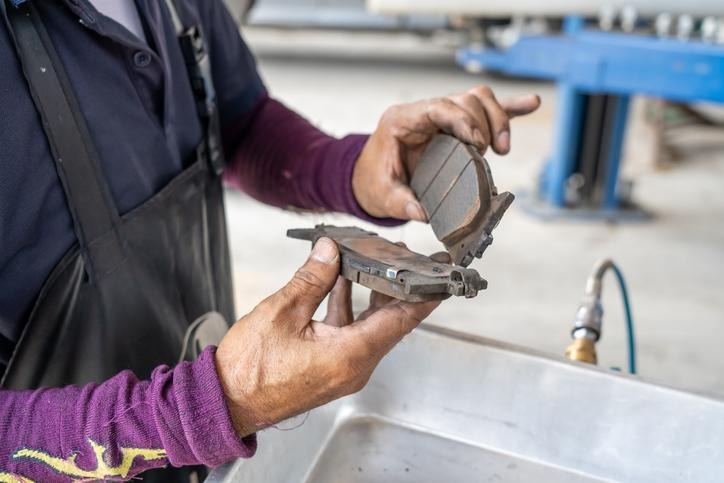
Finding one failed cylinder is a reason to inspect the opposite drum-brake assembly carefully, but technicians should avoid treating every vehicle and failure identically. They should check both wheel cylinders, shoes, drums, adjusters, springs, brake lines, and related hardware against applicable specifications.
Hardware matters as well. Worn drum-brake hardware can contribute to brake drag, unwanted noise, and premature brake wear.
If you want to become a mechanic, identifying wheel cylinder symptoms is only the beginning. The larger skill is determining why braking has changed and what the complete inspection shows before deciding on the repair.
Are you looking for comprehensive auto mechanic training?
Contact ATC Cambridge for more information.
Key Takeaways
- Wheel cylinders use hydraulic pressure to apply drum-brake shoes.
- Leaks and seized pistons can produce different symptoms.
- Slight dampness around a boot does not automatically confirm a hydraulic leak.
- Fluid contamination and uneven rear-brake operation can affect braking balance.
- A pulling complaint can have several causes and requires diagnosis.
- Inspect both sides of the axle and follow vehicle-specific service information when determining repairs.
FAQ
What are the symptoms of a bad wheel cylinder?
Possible bad wheel cylinder symptoms include hydraulic leakage, reduced rear-brake operation, uneven braking, and changes in brake-pedal feel.
Why is brake fluid leaking inside a rear drum?
A leaking wheel cylinder is one possible source. Technicians should confirm that the liquid is brake fluid and inspect the cylinder, hydraulic connection, friction material, and surrounding components.
Can a leaking wheel cylinder cause a car to pull when braking?
Yes, it can contribute to unequal braking between wheels, although pulling can also result from other brake, tire, or suspension problems.
Should both wheel cylinders be replaced at the same time?
Not automatically. Technicians should inspect both sides and follow the vehicle manufacturer's service procedures when determining which components require replacement.