Wheel Bearing Noise: How Mechanics Diagnose Humming, Growling, and Vibration
TL;DR
Wheel bearing noise often sounds like humming or growling and can be mistaken for tire or brake issues. Technicians use structured automotive diagnostics to confirm the source by testing load changes, inspecting components, and isolating the affected wheel. Accurate diagnosis prevents unnecessary part replacement.
Identifying wheel bearing noise is a fundamental skill for anyone entering the field of automotive diagnostics. While the sound may seem straightforward, it can easily be confused with tire wear, brake issues, or even drivetrain problems.
For a new technician, the challenge is not just hearing the noise but interpreting what it means. Subtle differences in sound, vibration, and driving conditions can point to entirely different causes. This is why structured diagnostic methods are essential.
In our auto mechanic school environment, students learn to move beyond guesswork and rely on systematic testing to confirm the source of a problem. This approach improves accuracy and helps avoid unnecessary repairs.
How Wheel Bearing Noise Typically Sounds
Wheel bearing issues usually present as a consistent humming, grinding, or growling noise that increases with vehicle speed. Unlike engine noise, which changes with RPM, bearing noise is directly related to how fast the wheels are turning.
In many cases, the sound becomes more noticeable at higher speeds and may be accompanied by slight vibration. However, because similar sounds can come from uneven tire wear or road conditions, it is important not to rely on sound alone for diagnosis.
Understanding how wheel bearing noise behaves under different driving conditions is the first step toward identifying the problem correctly.
How to Tell Wheel Bearing Noise from Tire Noise
How can you tell wheel bearing noise from tire noise?
Distinguishing between these two common issues requires careful observation. Tire noise often changes depending on the road surface and may vary with tire rotation or alignment issues. It can also appear more irregular or patterned.
Wheel bearing noise, on the other hand, tends to remain consistent regardless of road conditions. It produces a steady sound that increases with speed and does not typically change when the tires are rotated.
Automotive service technician program graduates learn that technicians rely on these differences, along with physical inspection, to narrow down the cause before replacing any components.
Why Noise Changes When Turning
Why does wheel bearing noise change when turning?
One of the most useful diagnostic clues is how the noise responds when the vehicle turns. When turning, the vehicle’s weight shifts from one side to the other, placing more load on specific wheel bearings.
If the noise becomes louder when turning in one direction, it often indicates that the opposite side bearing is under increased stress and may be failing. For example, a louder noise when turning left may suggest an issue with the right-side bearing.
This load-based behavior is a key part of automotive diagnostics, helping technicians isolate the problem without immediately disassembling components.

Inspection Steps to Confirm the Failing Wheel
What inspection steps confirm the correct failing wheel?
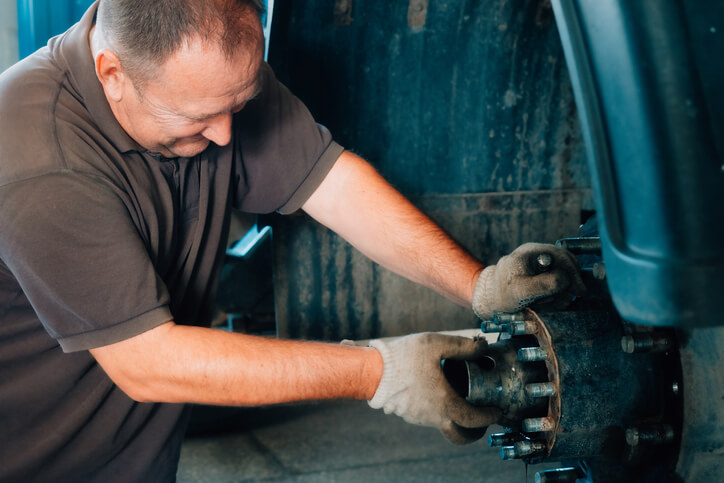
After identifying a potential issue during a road test, technicians move to a physical inspection. The vehicle is lifted, allowing each wheel to be rotated and checked for abnormal noise or resistance.
They also check for looseness in the wheel assembly, as excessive play can indicate bearing wear. In some cases, further inspection of the hub assembly may be required to confirm the diagnosis.
These steps ensure that the correct component is identified before any repairs are made, reducing the risk of unnecessary part replacement.
Why Accurate Diagnosis Matters
Misdiagnosing wheel bearing noise can lead to replacing the wrong parts, increasing both time and cost. Because similar symptoms can come from multiple sources, technicians must rely on a combination of road testing, inspection, and logical reasoning.
This is why structured automotive diagnostics are emphasized in training. Developing the ability to analyze symptoms and confirm causes is what separates skilled technicians from those who rely on guesswork.
In our auto mechanic training program, hands-on experience allows students to work with real vehicles and practice identifying problems under controlled conditions.

Is Noise Diagnosis Taught in Training Programs?
Is steering and suspension noise diagnosis covered in training?
Yes. Diagnosing noises from components like wheel bearings, suspension systems, and tires is a key part of our automotive service technician program.
Students are trained to recognize different types of sounds and understand how they relate to mechanical issues. This builds confidence and prepares them for real-world diagnostics.
Would you like to explore automotive training programs at our auto mechanic school in Cambridge, Ontario?
Contact ATC Cambridge for more information.
Key Takeaways
- Wheel bearing noise often sounds like a steady humming or growling that increases with speed
- The noise can be mistaken for tire or brake issues, making an accurate diagnosis essential
- Load changes during turning help identify the affected wheel
- Physical inspection confirms the source before repairs are made
- Noise diagnosis is a core skill taught in auto mechanic training
FAQ
How can you tell wheel bearing noise from tire noise?
Wheel bearing noise is consistent and speed-related, while tire noise often varies with road conditions and wear patterns.
Why does wheel bearing noise change when turning?
Weight shifts during turning place more load on certain bearings, making the faulty one louder under stress.
What inspection steps confirm the correct failing wheel?
Technicians lift the vehicle, rotate the wheels, and check for noise, resistance, or looseness.
Is steering and suspension noise diagnosis covered in training?
Yes, it is a key part of hands-on automotive training programs.