
Wheel Alignments Explained: Symptoms and What Shops Adjust
TL;DR
Wheel alignments correct the angles of the wheels so they meet the road properly. Misalignment can cause uneven tire wear, steering pull, and reduced handling. Technicians adjust angles like toe, camber, and caster to restore proper vehicle performance and safety.
When a vehicle drives straight and feels stable, it is easy to overlook the precision involved behind the scenes. Wheel alignment is one of those foundational services that quietly affects everything from tire wear to steering control.
For drivers, alignment issues often show up gradually. For technicians, they are a routine but critical part of diagnosing and handling concerns. Understanding what wheel alignment is and how it affects vehicle behaviour helps connect minor symptoms to underlying mechanical causes.
What Are Wheel Alignments and What Gets Adjusted?
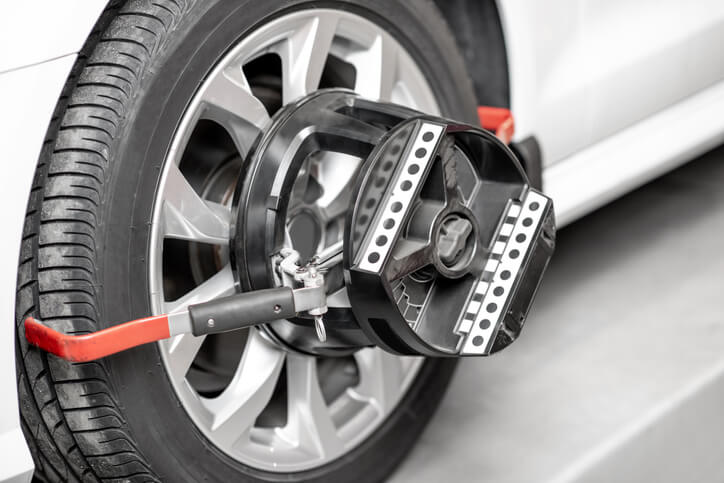
At its simplest, wheel alignments involve adjusting the angles of the wheels so they are correctly aligned with the road and the vehicle.
In most modern vehicles, a 4-wheel alignment is performed. This means all four wheels are measured and adjusted to ensure proper alignment across the entire chassis.
Technicians focus on three primary angles:
- Toe, which refers to whether the wheels point inward or outward
- Camber, which describes the tilt of the wheel when viewed from the front
- Caster, which affects steering stability and the angle of the steering axis
These angles are not adjusted randomly. They are set according to manufacturer specifications to ensure optimal tire contact and predictable handling. Even small deviations can create noticeable wheel alignment issues, especially at highway speeds.
What Are the Most Common Symptoms of Alignment Problems?
Alignment issues rarely appear all at once. Instead, they tend to develop gradually, often after wear or impact. One of the most noticeable signs is when a vehicle pulls to one side while driving. This can happen even when the steering wheel appears straight.
Another common symptom is uneven tire wear. Tires may wear more quickly on one side than the other, reducing their lifespan and performance.
Drivers may also notice that the steering wheel is no longer centred when driving straight. In some cases, the vehicle may feel less stable, especially when cornering or braking.
These symptoms often indicate that wheel alignments are out of specification rather than a more complex mechanical failure.
How Often Should You Get a Wheel Alignment?
Technicians often recommend checking alignment after events such as hitting a pothole, striking a curb, or replacing suspension components. Even normal driving over time can gradually shift alignment angles. Many shops also suggest checking alignment when installing new tires. This helps ensure even wear from the start.
According to Transport Canada, proper vehicle maintenance, including alignment checks, is critical to road safety and vehicle performance.
What’s the Difference Between Wheel Alignment and Wheel Balancing?
It is common for drivers to confuse alignment with balancing, but they address completely different issues. Wheel alignment deals with the angles of the wheels and how they contact the road. It affects handling, steering, and tire wear.
Wheel balancing, on the other hand, focuses on weight distribution within the tire and wheel assembly. It is used to eliminate vibration caused by uneven weight. If a vehicle pulls to one side, alignment is usually the issue. If it vibrates at certain speeds, balancing is more likely the cause.
Technicians learn to distinguish between these conditions early in their automotive training, as accurate diagnosis depends on understanding the difference.
Which Alignment Angles Matter Most (Toe, Camber, Caster) and Why?
Each alignment angle plays a specific role in the vehicle’s handling. Toe affects tire wear most directly, camber influences road contact, and caster improves steering stability and control. Together, these angles determine how the vehicle handles, how the tires wear, and how comfortable the driving experience feels.
Students in our auto mechanic school develop hands-on experience adjusting these angles using alignment machines. Through structured automotive training, they learn how small changes in geometry can significantly affect performance and safety.

Why Alignment Skills Matter for Auto Careers
Wheel alignments may seem routine, but they require precision and attention to detail. Modern alignment systems use computerized equipment, and technicians must interpret data accurately to make correct adjustments.
For those pursuing auto careers, understanding alignment systems is a valuable skill that applies across many areas of automotive service, from tire shops to dealerships. As vehicles continue to evolve, the ability to diagnose handling issues and perform accurate alignments remains a core competency in the trade.
Are you interested in exploring a wide variety of auto careers?
Contact ATC Toronto for more information.
Key Takeaways
- Wheel alignments adjust angles like toe, camber, and caster to improve handling.
- Common symptoms include pulling, uneven tire wear, and off-centre steering.
- A 4-wheel alignment ensures all wheels are properly positioned.
- Alignment and balancing address different vehicle issues.
- Proper alignment improves safety, tire life, and driving comfort.
FAQ
What are the most common symptoms of alignment problems?
Alignment issues rarely appear all at once. Instead, they tend to develop gradually, often after wear or impact. One of the most noticeable signs is when a vehicle pulls to one side while driving. This can happen even when the steering wheel appears straight.
How often should you get a wheel alignment?
Technicians often recommend checking alignment after events such as hitting a pothole, striking a curb, or replacing suspension components.
What’s the difference between wheel alignment and wheel balancing?
It is common for drivers to confuse alignment with balancing, but they address completely different issues. Wheel alignment deals with the angles of the wheels and how they contact the road. It affects handling, steering, and tire wear.
Which alignment angles matter most (toe, camber, caster) and why?
Toe affects tire wear most directly, camber influences road contact, and caster improves steering stability and control.