What Does an Alternator Do? How the Charging System Supports Modern Vehicles
What is an Alternator in a Car? A Quick Guide
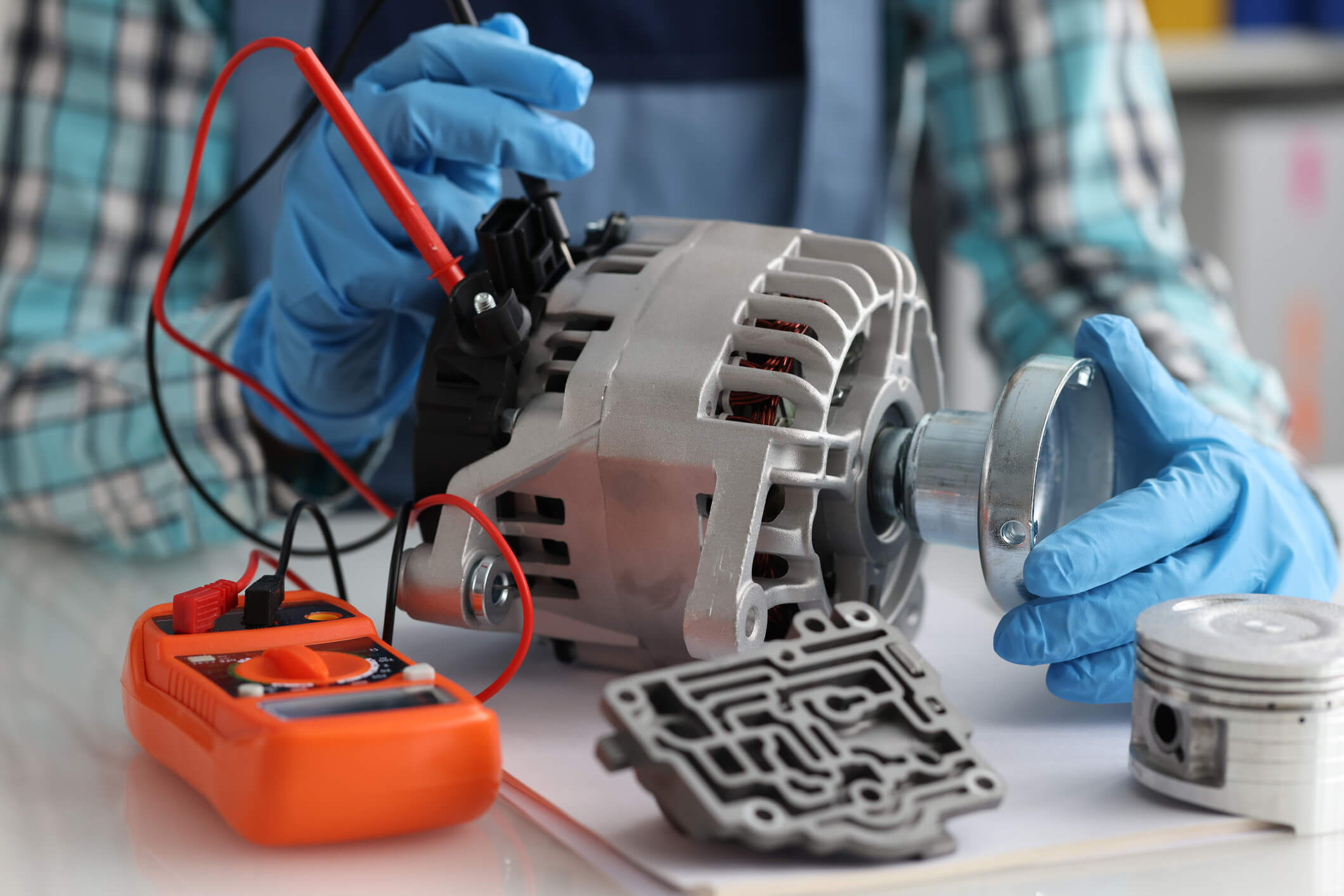
What is an alternator in a car? It’s the component that generates electricity while the engine runs and keeps the battery charged. A healthy charging system powers everything from the headlights to advanced driver-assistance systems. Learning how to test and diagnose alternator performance is an essential skill for future automotive technicians.
Turn the key, or press the start button, and dozens of electrical systems begin working almost instantly. The headlights, dashboard displays, climate controls, infotainment system, and battery all depend on one critical component continuing to supply electrical power once the engine is running: the alternator.
Understanding what an alternator in a car is is one of the first steps toward understanding modern vehicle electrical systems. For students beginning auto mechanic training, learning how the charging system works provides the foundation for diagnosing many common electrical concerns.
What is an Alternator in a Car?
What does an alternator do in a car? The car alternator generates electricity while the engine is running, supplying power to the vehicle’s electrical systems and recharging the battery.
Driven by the engine through a belt, the alternator converts mechanical energy into electrical energy. It works continuously to provide power for components such as:
- Headlights
- Climate control systems
- Windshield wipers
- Infotainment systems
- Power windows and locks
- Electronic control modules
The purpose of a car alternator is to ensure these systems receive the electrical power they need without relying solely on the battery.
How Is an Alternator Different From a Car Battery?
Although they work together, they perform different jobs. The battery stores electrical energy and provides the power needed to start the engine. Once the engine is running, the automotive alternator takes over by generating electricity and replenishing the battery.
NAPA Canada’s guide to maintaining the battery and charging system explains that once the engine is running, the charging system helps recharge the battery while powering vehicle systems such as lights, audio, and climate control.
If the alternator stops charging properly, the battery gradually loses its stored energy until the vehicle can no longer operate or restart. Understanding this relationship helps auto mechanic school students avoid replacing the wrong component when diagnosing charging system problems.
What Symptoms Can Appear When Alternator Output Is Weak?
Charging system problems often develop gradually before complete failure occurs. Common warning signs include:
- A battery or charging system warning light
- Dim or flickering headlights
- Slow power windows
- Electrical accessories behaving erratically
- Difficulty starting the vehicle
- A battery that repeatedly goes dead
Because similar symptoms can also result from battery, wiring, or belt issues, technicians perform systematic testing rather than assuming the alternator is the problem.

How Do Automotive Students Learn Charging-System Testing?
Students learn that effective diagnosis starts with testing, not guessing. During auto mechanic training, future technicians gain hands-on experience using diagnostic equipment to:
- Measure charging voltage
- Inspect battery condition
- Check drive belt tension and condition
- Test electrical connections
- Identify excessive voltage drops
- Interpret charging system test results
Rather than replacing parts based on symptoms alone, students learn to confirm faults through proper diagnostic procedures.
These practical skills help prepare graduates to become mechanics capable of servicing today’s increasingly sophisticated electrical systems.

Build Confidence Working With Vehicle Electrical Systems
Electrical diagnostics have become an essential part of modern automotive repair. By understanding what an alternator in a car is, how charging systems operate, and how to test them accurately, students develop the confidence to diagnose problems efficiently and recommend the correct repairs.
At ATC Cambridge Auto Mechanic School, hands-on practice with real charging system faults helps prepare future technicians for successful automotive careers.
Are you ready to become a mechanic?
Contact ATC Cambridge for more information.
Key Takeaways
- Understanding what an alternator in a car is is fundamental to learning vehicle electrical systems.
- The car alternator supplies electrical power while keeping the battery charged.
- The purpose of a car alternator is to power vehicle electronics once the engine is running.
- Weak alternator output can cause dim lights, warning lights, and repeated battery problems.
- Auto mechanic training teaches students how to diagnose charging systems through systematic testing rather than guesswork.
FAQ
What does an alternator do in a car?
It generates electricity while the engine is running, powers the vehicle’s electrical systems, and keeps the battery charged.
How is an alternator different from a car battery?
The battery stores electrical energy and starts the vehicle, while the alternator generates electricity to operate the vehicle and recharge the battery after the engine starts.
What symptoms can appear when alternator output is weak?
Drivers may notice dim lights, a charging-system warning light, weak electrical accessories, repeated battery discharge, or difficulty starting the vehicle.
How do automotive students learn charging-system testing?
Students learn to inspect batteries, alternators, belts, and wiring while using professional testing equipment to diagnose charging system faults accurately.