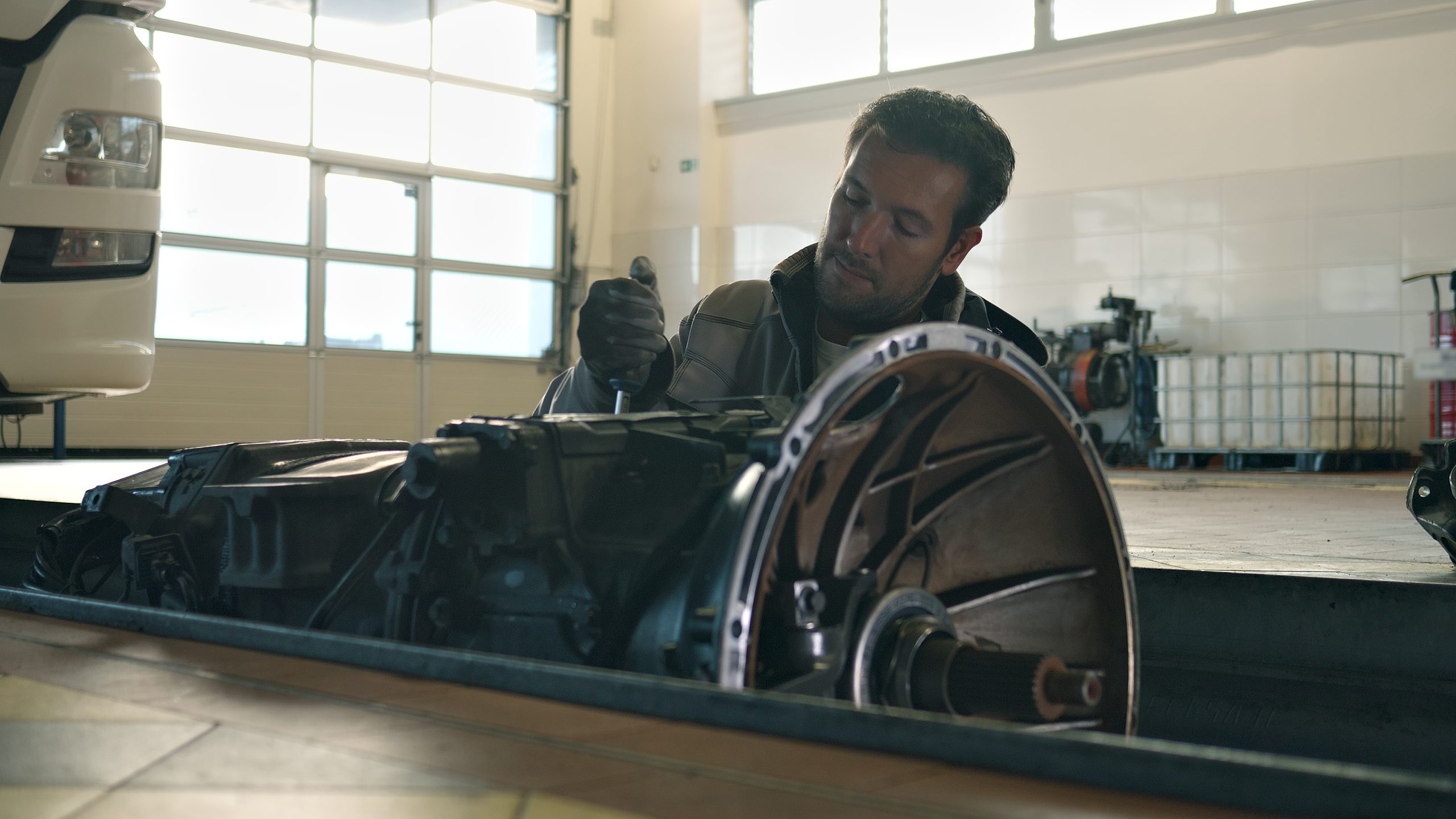
What Is a Transmission? A Beginner’s Guide for Future Technicians
TL;DR
Understanding the transmission is an important step for future automotive technicians. A transmission transfers engine power to the wheels while helping the vehicle operate efficiently at different speeds. Whether manual or automatic, the transmission plays a critical role in vehicle performance, fuel economy, and drivability.
The transmission meaning refers to the system that transfers power from the engine to the drive wheels while controlling speed and torque. Every transmission car system is designed to help the engine operate efficiently under different driving conditions, making it one of the most important components in any vehicle.
For students interested in auto mechanic training, learning how transmissions work provides a strong foundation for understanding vehicle performance, diagnostics, and driveline systems.
What Is a Transmission in a Car?
What is a transmission in a car? A transmission is a mechanical system that transfers engine power to the wheels while adjusting gear ratios to match driving conditions.
The engine generates power, but that power must be delivered to the wheels in a way that allows the vehicle to accelerate, climb hills, cruise at highway speeds, and operate efficiently. The transmission makes this possible by using different gear ratios.
When people ask what transmission of a car is, they are referring to the component that manages how engine power reaches the wheels. Without a transmission, vehicles would struggle to operate effectively across different speeds and loads. Understanding transmission operation is a key part of automotive training.
What Does a Transmission Do?
What does a transmission do? A transmission controls how power is delivered from the engine to the wheels by selecting the appropriate gear ratio for driving conditions.
At low speeds, lower gears provide more torque to help the vehicle accelerate. At higher speeds, higher gears allow the engine to operate more efficiently while maintaining speed.
This is why a car transmission is essential for vehicle performance. It helps balance power, fuel efficiency, and drivability under changing road conditions.
Modern transmissions may shift automatically through computer-controlled systems, while manual transmissions require the driver to select gears. Regardless of the design, the basic purpose remains the same: delivering engine power effectively.
How Is a Transmission Different From the Engine?
How is a transmission different from the engine? The engine creates power, while the transmission manages how that power is delivered to the wheels.
Many students new to automotive technology assume the engine performs all the work. In reality, the engine and transmission operate as a team.
The engine generates rotational force through combustion. The transmission then adjusts that force through various gear ratios to match the vehicle’s needs.
Understanding the relationship between the engine and transmission car systems helps students see how multiple vehicle systems work together to create movement. This knowledge becomes especially important when diagnosing performance concerns. Technicians regularly inspect and diagnose transmission-related issues.
Why Do Mechanics Need to Understand Transmission Basics?
Why do mechanics need to understand transmission basics? Mechanics need to understand transmission basics because transmission systems directly affect vehicle performance, drivability, and diagnostics.
Transmission problems can cause symptoms such as slipping, delayed shifting, unusual noises, vibrations, or poor acceleration. To identify the root cause of these issues, technicians need a strong understanding of how transmissions operate.
Students at our auto mechanic school quickly discover that transmission knowledge supports many areas of vehicle diagnosis. Even technicians who specialize in other systems frequently encounter transmission-related concerns during inspections and repairs.
If you’re looking to become a mechanic, understanding transmission fundamentals is an essential part of building a complete automotive skill set. Power transfer systems help vehicles operate efficiently at different speeds.
Why Transmission Knowledge Matters
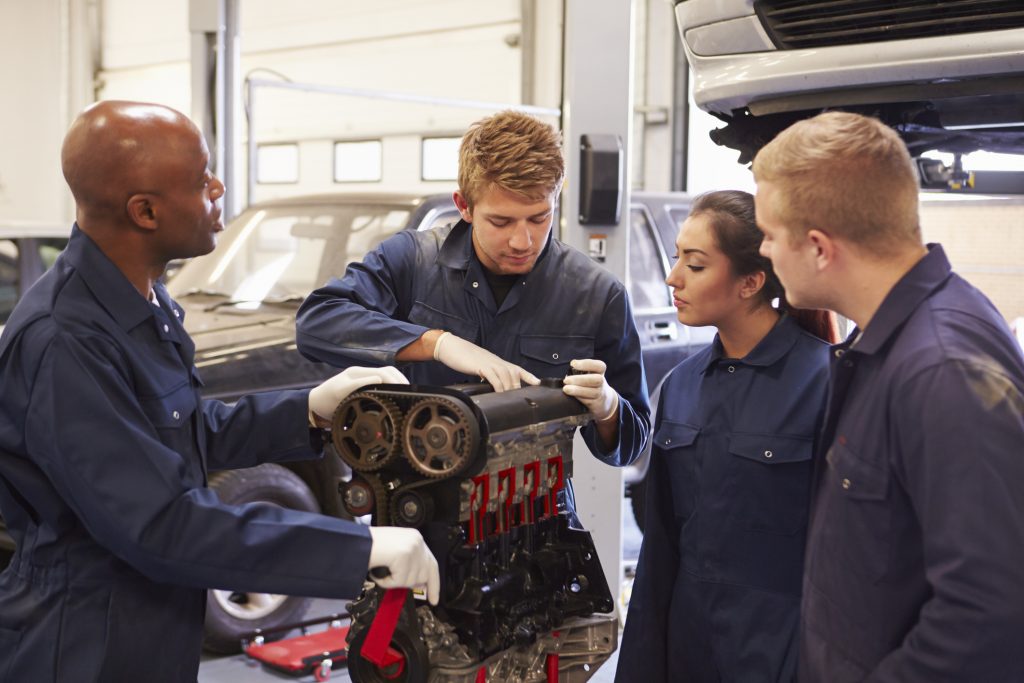
The transmission’s meaning extends beyond simply changing gears. The transmission plays a central role in controlling how engine power reaches the wheels, helping vehicles operate smoothly, efficiently, and safely.
As automotive technology continues to evolve, transmission systems are becoming increasingly sophisticated. However, the core principles remain the same. Students who understand these fundamentals will be better prepared for future diagnostics and repair work.
Interested in auto mechanic training?
Contact ATC Cambridge to learn more about preparing for a career in the automotive industry.
Key Takeaways
- The transmission refers to the system that transfers engine power to the wheels.
- A car transmission helps vehicles operate efficiently at different speeds and loads.
- Understanding how the transmission of a car helps students learn how power reaches the drive wheels.
- The engine creates power, while the transmission manages how that power is delivered.
- Technicians use transmission knowledge to diagnose drivability and performance concerns.
- Students who want to become a mechanic benefit from understanding transmission fundamentals early in their training.
FAQ
What Is a Transmission in a Car?
A transmission is a mechanical system that transfers engine power to the wheels while adjusting gear ratios to match driving conditions.
What Does a Transmission Do?
A transmission controls how power is delivered from the engine to the wheels by selecting the appropriate gear ratio for driving conditions.
How Is a Transmission Different From the Engine?
The engine creates power, while the transmission manages how that power is delivered to the wheels.
Why Do Mechanics Need to Understand Transmission Basics?
Mechanics need to understand transmission basics because transmission systems directly affect vehicle performance, drivability, and diagnostics.