What Is a Strut? Suspension Basics for New Auto Technicians
A Brief Guide to What Is a Strut
If you’ve ever wondered what a strut is, you’re asking about one of the most important components in a vehicle’s suspension system. Struts help support the vehicle’s weight, maintain steering stability, and provide ride comfort. Learning how they work and how to identify wear is an important part of auto mechanic training for future technicians.
Drivers often notice suspension problems only when a vehicle begins riding rough or making unusual noises. For technicians, however, the suspension system tells a much bigger story about vehicle safety, steering performance, and overall handling.
Understanding what a strut is gives students a strong foundation for diagnosing suspension concerns. Because struts serve several important functions at once, they are among the first components technicians inspect when evaluating ride quality or steering complaints.
Students at our auto mechanic school spend time learning how suspension systems work together so they can diagnose problems accurately rather than simply replacing parts.
What Is a Strut on a Car?
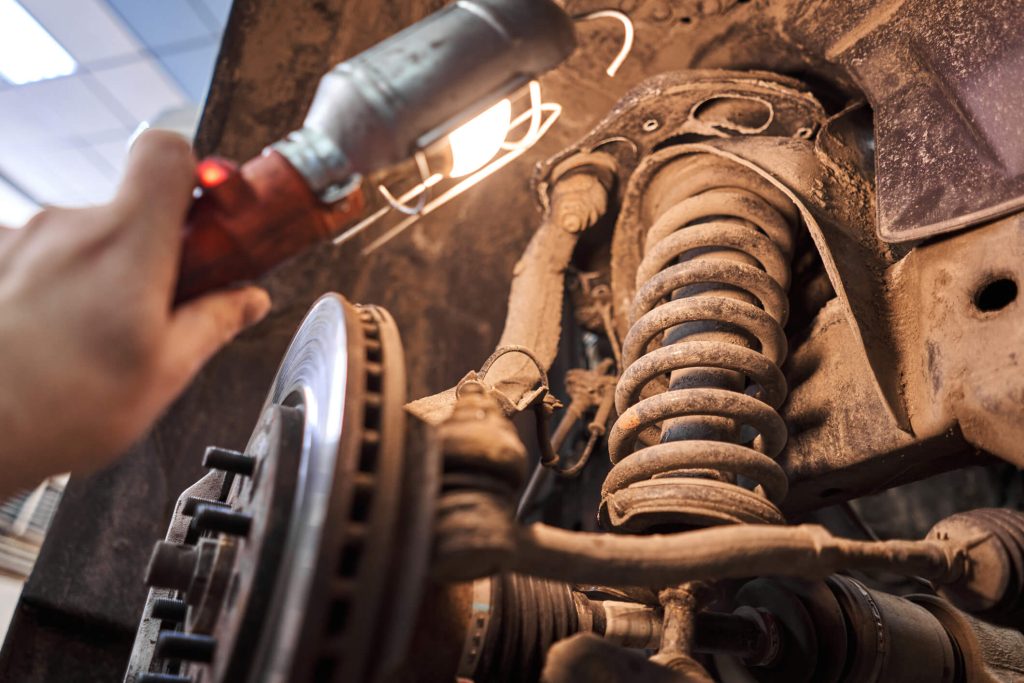
What is a strut on a car? A strut is a structural suspension component that combines a shock absorber with additional parts that support the vehicle’s suspension and steering system.
Unlike a traditional shock absorber, a strut becomes part of the suspension’s overall structure. It helps:
- Absorb bumps and road impacts
- Support vehicle weight
- Maintain wheel alignment
- Stabilize steering
- Improve ride comfort
- Reduce excessive body movement
When people search “What are automobile struts” or “What are car struts”, they’re often surprised to learn that struts do much more than dampen bumps. They are essential structural components that affect how the entire suspension system operates.
What Is the Difference Between Shocks and Struts?
Although the two components perform similar damping functions, they are not interchangeable. Monroe’s guide to shocks vs struts explains that both components help keep tires in contact with the road, which supports steering, handling, and braking.
One of the biggest topics students study is shocks vs struts.
Shock absorbers primarily control suspension movement by reducing bouncing after the vehicle hits bumps. They are separate from the suspension’s structural components.
Struts, however:
- Contain a shock absorber internally
- Help support vehicle weight
- Serve as part of the steering system on many vehicles
- Influence suspension geometry
- Affect wheel alignment
Because replacing a strut can alter alignment angles, technicians often recommend wheel alignment after strut replacement.
Learning these differences helps future technicians understand why proper diagnosis is just as important as performing the repair itself.
How Do Technicians Know When Struts Are Worn?
Technicians perform both visual inspections and road tests to identify suspension problems.
Common warning signs include:
- Excessive bouncing
- Nose-diving during braking
- Uneven tire wear
- Fluid leaking from the strut
- Steering instability
- Clunking noises over bumps
- Poor handling during cornering
During inspections, technicians also examine mounts, bushings, springs, and surrounding suspension components because multiple parts may contribute to similar symptoms.
Rather than replacing parts based on a single symptom, trained technicians evaluate the suspension as an entire system before recommending repairs.

Are Struts Part of Suspension Training for Auto Mechanics?
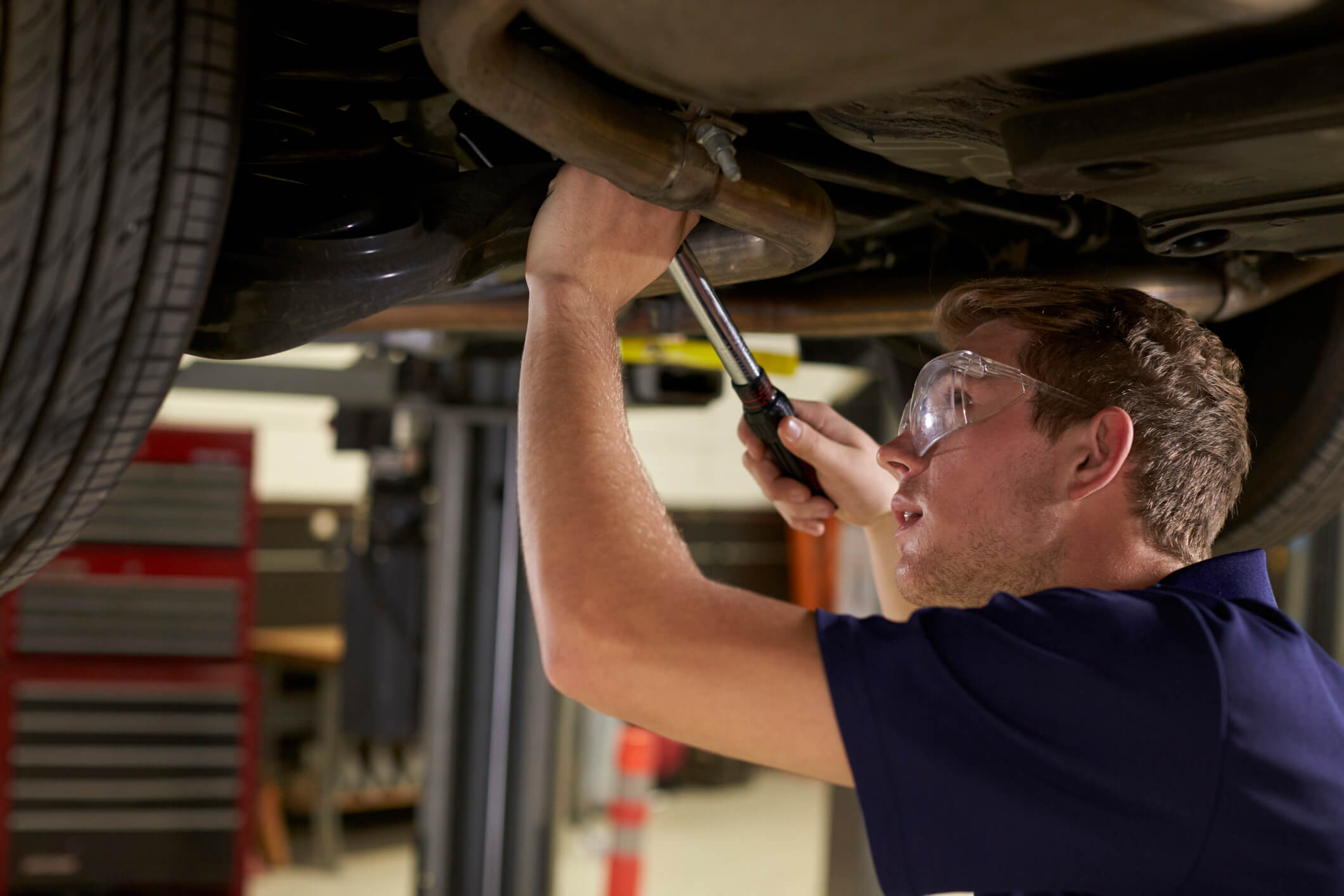
Absolutely. Suspension systems are a core part of professional automotive education. Students enrolled in auto mechanic training learn how to inspect, diagnose, and service suspension components safely using professional tools and manufacturer procedures.
Training commonly includes:
- Suspension system operation
- Steering systems
- Wheel alignment principles
- Ride height inspection
- Tire wear analysis
- Suspension diagnostics
- Safe spring and strut handling
- Repair procedures
These practical experiences help students connect classroom theory with real vehicle inspections.
For students planning to become a mechanic, understanding suspension systems is an important step toward diagnosing steering, handling, and ride-quality concerns with confidence.
Building the Skills Employers Value
Modern technicians are expected to understand how every major vehicle system contributes to safe operation. Suspension components such as struts directly affect steering, braking performance, tire wear, and driver comfort, making accurate inspections an essential skill.
By attending an auto mechanic school, students gain the opportunity to build those skills through hands-on learning and instructor guidance. Combined with strong diagnostic habits, this practical experience prepares graduates for entry-level automotive careers and continued professional growth.
Are you ready to explore training programs at our auto mechanic school?
Contact ATC Cambridge for more information.
Key Takeaways
- What is a strut? A strut is a structural suspension component that supports ride quality, steering, and vehicle stability.
- What are automobile struts designed to do? They absorb impacts while helping maintain suspension geometry.
- Understanding shocks vs struts helps technicians diagnose suspension problems accurately.
- Common signs of worn struts include bouncing, leaks, uneven tire wear, and steering instability.
- Hands-on auto mechanic training prepares students to inspect and service suspension systems safely.
FAQ
What Is a Strut on a Car?
A strut is a suspension component that combines a shock absorber with structural support for the vehicle’s suspension and steering system.
What Is the Difference Between Shocks and Struts?
Shock absorbers primarily control suspension movement, while struts also support vehicle weight and form part of the suspension structure.
How Do Technicians Know When Struts Are Worn?
Technicians inspect for fluid leaks, excessive bouncing, uneven tire wear, poor handling, steering instability, and abnormal suspension noises.
Are Struts Part of Suspension Training for Auto Mechanics?
Yes. Suspension diagnosis and repair are important parts of automotive education and help prepare students for professional repair work.