What Is a Dyno? Performance Testing for Future Auto Technicians
What is a Dyno? A Quick Guide
What is a dyno? A dynamometer, or dyno, measures a vehicle’s performance in a controlled environment by calculating power, torque, and other operating data. While not every repair shop uses one every day, understanding dyno testing helps future technicians better understand engines, diagnostics, and vehicle performance.
Modern vehicles generate enormous amounts of performance data, but technicians also need reliable ways to measure how that performance translates to the road. That’s where a dynamometer comes in. Whether a vehicle is being diagnosed, repaired, or tuned for maximum efficiency, dyno testing provides valuable information that can’t always be gathered during a regular road test.
If you’ve ever wondered “what is a dyno”, understanding how this equipment works can give you valuable insight into engine performance and why it remains an important tool in many automotive workshops.
What Is a Dyno?
A dyno, short for dynamometer, is a machine that measures the power produced by a vehicle or engine. It calculates important performance data such as horsepower, torque, engine speed, and, in some cases, fuel efficiency and emissions.
There are two common types of dynamometers:
- Engine dynamometers, which test an engine outside the vehicle.
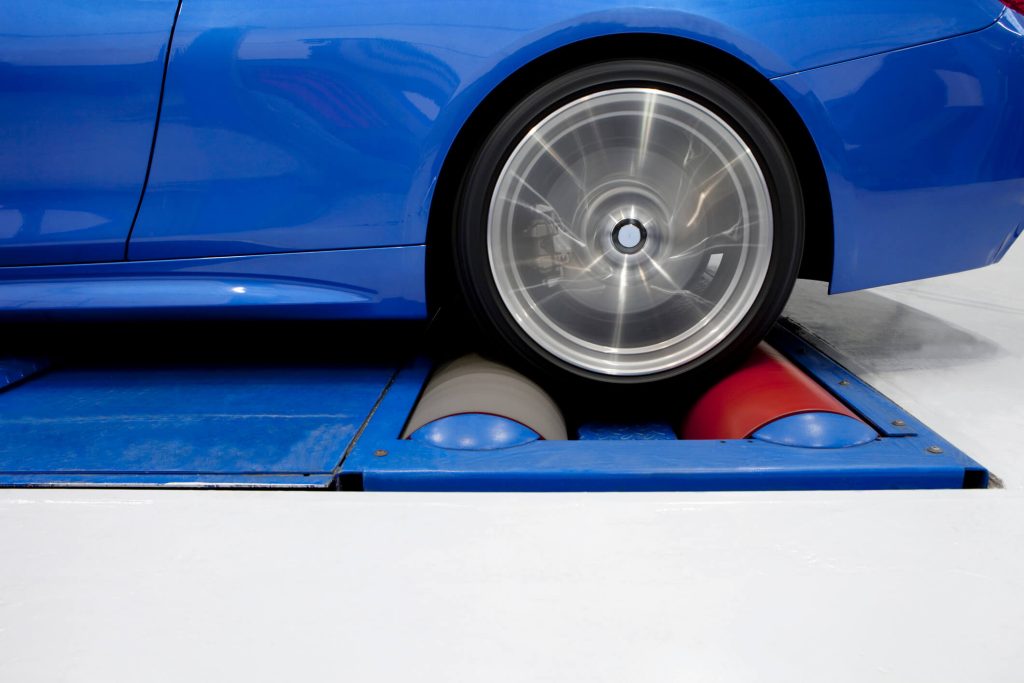
- Chassis dynamometers, where the entire vehicle sits on rollers while technicians simulate real driving conditions.
Both types allow technicians to evaluate vehicle performance in a safe, controlled environment. Dynojet’s guide to what a dynamometer is and how it works explains how dynos help measure performance data such as horsepower and torque.
What Does a Dynamometer Measure?
Beyond horsepower and torque, a dynamometer helps technicians evaluate how efficiently an engine performs throughout different operating conditions.
During testing, technicians may examine:
- Power output across the RPM range
- Torque delivery
- Air-fuel ratio
- Engine response
- Drivetrain performance
- Effects of repairs or modifications
Because the test conditions are repeatable, technicians can compare results before and after repairs to verify improvements.
Why Do Technicians Use Dyno Testing?
A dyno is useful for much more than performance vehicles.
Technicians may perform dyno tuning after installing engine upgrades, repairing fuel or ignition systems, or diagnosing drivability concerns. A properly performed dyno tune allows technicians to optimise engine performance while confirming that systems operate safely and efficiently.
Performance shops also rely on dynamometer tuning to adjust engine management systems after modifications such as intake upgrades, exhaust changes, turbocharger installations, or ECU recalibration.
In some cases, dyno car tuning helps identify issues that only appear when an engine is operating under load—problems that may not be noticeable during idle testing alone.

Why Is Performance Testing Useful for Automotive Service Training?
Yes. Even if students do not operate a dynamometer every day, understanding the principles behind dyno testing strengthens their knowledge of engine operation and diagnostics.
Learning about dynos helps future technicians understand:
- How engines produce power
- The relationship between torque and horsepower
- Fuel and ignition system performance
- Electronic engine management
- Diagnostic testing methods
Students enrolled in auto mechanic training learn the mechanical and diagnostic principles that form the foundation for advanced testing techniques used throughout the automotive industry.
How Does Dyno Testing Connect to Modern Vehicle Diagnostics?
Today’s vehicles rely heavily on sensors, onboard computers, and electronic control systems. Dyno testing complements modern diagnostic equipment by allowing technicians to evaluate how these systems perform while the vehicle is operating under controlled driving conditions.
Rather than relying solely on fault codes, technicians can compare live performance data, verify repairs, and observe how engine adjustments affect power delivery. This combination of electronic diagnostics and real-world performance testing helps technicians develop a more complete understanding of modern vehicles, a valuable skill for anyone planning to become a mechanic.
Build the Foundation for Advanced Diagnostics
Not every automotive technician will specialize in performance tuning, but understanding equipment like dynamometers builds a stronger foundation in diagnostics and engine performance. Through hands-on auto mechanic training, students learn the systems, testing methods, and problem-solving skills that prepare them for a wide range of automotive careers.
Would you like to explore training opportunities at our auto mechanic school?
Contact ATC Cambridge for more information.
Key Takeaways
- Understanding what a dyno is helps students learn how vehicle performance is measured.
- A dynamometer measures horsepower, torque, and other engine performance data.
- A dyno tune, dyno tuning, and dynamometer tuning help optimise vehicle performance after repairs or modifications.
- Dyno car tuning provides controlled testing that supports accurate diagnostics.
- Auto mechanic school helps students build the knowledge needed to understand advanced automotive testing equipment.
FAQ
What is a dyno?
A dyno, or dynamometer, is a machine that measures engine or vehicle performance by calculating horsepower, torque, and other operating data.
What does a dynamometer measure?
A dynamometer measures power output, torque, engine speed, and other performance characteristics under controlled testing conditions.
Why do technicians use dyno testing?
Dyno testing helps technicians diagnose performance issues, verify repairs, perform dyno tuning, and evaluate how an engine performs under load.
Is performance testing useful for automotive service training?
Yes. Understanding dyno testing helps students better understand engine operation, diagnostics, and the principles behind modern vehicle performance testing.