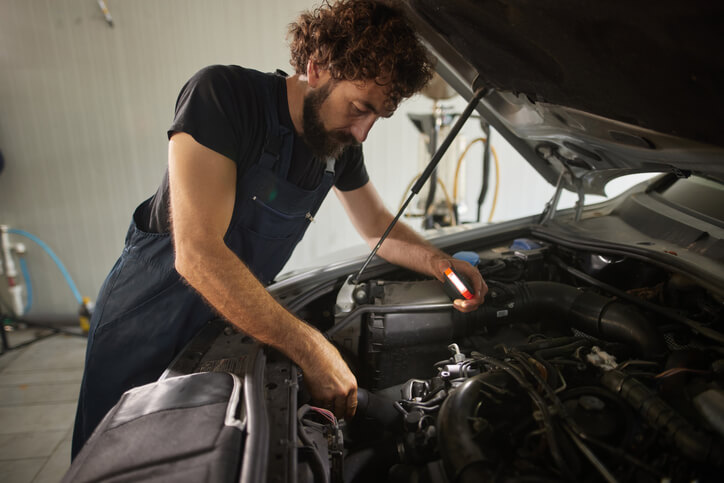
Mastering Idle Issues: What Causes Rough Idling and How Mechanics Diagnose It
If you’re considering auto mechanic training, understanding how to diagnose and resolve idle issues is a core skill that’ll help you stand out in any garage. Whether it’s a shaky start at the red light or a vehicle that sounds like it’s breathing through a straw, rough idling is one of those red-flag symptoms every good technician learns to identify early.
At first, it may sound minor, but experienced mechanics know it can point to deeper problems that affect fuel efficiency, emissions, or engine longevity.
What Does Rough Idling Mean?
When a car is idling, the engine runs at a low speed while the vehicle isn’t moving. In a healthy engine, the idle should be smooth and quiet. Rough idling means the engine is stuttering, vibrating, or fluctuating in RPM. It’s more than just annoying. It’s a symptom.
Common symptoms include:
- Unstable or dropping RPMs
- Shaking or vibration through the steering wheel or seat
- Sputtering or unusual engine sounds
- A check engine light that won’t go away

What Causes Rough Idle?
There’s no one-size-fits-all answer. In automotive training, students are taught to explore a range of causes through a structured diagnostic process. Some of the most common culprits include:
1. Vacuum Leaks
Modern engines depend on a precise air-to-fuel ratio. A cracked hose or leaking intake manifold can throw this ratio off, causing the engine to run lean and idle roughly.
2. Misfires
An engine misfire happens when one or more cylinders fail to ignite properly. Faulty spark plugs, ignition coils, or poor compression can all be to blame.
3. Faulty Mass Air Flow (MAF) Sensors
The MAF sensor measures how much air enters the engine. If it sends incorrect data, the engine’s computer may inject too much or too little fuel, affecting the idle.
4. Dirty Fuel Injectors
Over time, fuel injectors can get clogged, leading to inconsistent fuel delivery. This causes the engine to stumble, especially at low speeds.
5. EGR System Problems
The Exhaust Gas Recirculation system reduces emissions but can cause a rough idle if it malfunctions or clogs up with carbon buildup.

How Mechanics Learn to Diagnose It
Quality auto mechanic training allows students to learn how to approach rough idle complaints methodically:
- Scan for codes using OBD-II tools to identify cylinder misfires or sensor faults.
- Conduct visual inspections to spot cracked hoses or vacuum leaks.
- Use smoke machines to detect leaks invisible to the naked eye.
- Test sensors like the MAF, throttle position sensor, and O2 sensors.
- Measure compression or conduct a leak-down test for internal engine issues.
Training combines classroom theory with real vehicles, giving students the confidence to diagnose issues that may stump less experienced techs.
Why This Matters for Your Career
If you’re aiming for a stable, in-demand auto career, mastering these kinds of diagnostic techniques is essential. Customers may describe a vague issue, but it’s up to you to isolate the cause quickly and accurately. That’s what makes a good mechanic great.
Learn the Process With Auto Mechanic Training
Idle issues may sound small, but they can lead to major repairs if left unchecked. That’s why ATC Toronto’s auto mechanic training prepares students with hands-on instruction, real-world diagnostics, and expert mentorship.
Whether you’re starting your journey or leveling up your skills, the ability to diagnose issues like rough idle is part of building a long, successful career.
Do you want to explore a career that starts in the garage and goes as far as you do?
Explore our automotive training programs and take the first step toward an exciting auto career.