Variable Valve Timing Problems: How Technicians Diagnose Cam Phaser and Solenoid Faults
TL;DR
Variable valve timing problems can cause rough idle, reduced power, and fault codes. These issues are often linked to cam phasers, VVT solenoids, or oil flow problems. Technicians diagnose them using scan data, oil condition checks, and system testing rather than relying on symptoms alone.
Modern engines are designed to balance performance, efficiency, and emissions. One of the key systems that makes this possible is variable valve timing (VVT).
Instead of fixed timing, VVT systems adjust valve operation dynamically based on engine speed and load. This improves fuel efficiency and power output, but it also introduces new diagnostic challenges.
For students starting hands-on learning through auto mechanic training, understanding variable valve timing problems is a major step toward mastering engine performance diagnostics.
What Is Variable Valve Timing and How Does It Work?
To understand engine performance diagnosis, it helps to start with the basics of valve timing.
In a traditional engine, valves open and close at fixed intervals. With VVT, the timing of those events can shift depending on operating conditions.
This is achieved using components such as:
- Cam phasers, which adjust camshaft position
- VVT solenoids, which control oil flow
- Engine control modules, which manage timing adjustments
By advancing or retarding valve timing, the engine can optimize airflow, combustion, and efficiency.
However, when these components fail or operate incorrectly, variable valve timing problems begin to appear.
What Are the Symptoms of Variable Valve Timing Problems?
In real-world diagnostics, cam phaser symptoms and VVT-related faults often present as performance issues rather than obvious mechanical failures.
One of the most common signs is rough idle. When timing is incorrect, combustion becomes unstable, leading to uneven engine operation. This is often described as rough idle valve timing behaviour.
Drivers may also notice reduced power, especially during acceleration. Because valve timing affects airflow, incorrect timing can limit engine performance.
In many cases, the check engine light will illuminate. Fault codes related to camshaft position or timing correlation are strong indicators of VVT issues.
Fuel economy may also decline, as the engine can no longer optimize combustion efficiently.
These symptoms often overlap with other engine problems, which is why proper diagnosis is essential.
What Does a Cam Phaser Do?
The cam phaser is a key component in VVT systems.
It is mounted on the camshaft and allows the engine to adjust valve timing by changing the camshaft’s position relative to the crankshaft.
This adjustment is controlled hydraulically using engine oil pressure.
When functioning properly, the cam phaser responds quickly to engine demands. However, when it fails, it can:
- Stick in one position
- Respond slowly
- Create a rattling noise during startup
These issues are common cam phaser symptoms and often require further testing to confirm.
Can a Bad VVT Solenoid Cause Rough Idle?
Yes, and it is one of the most common causes of variable valve timing problems.
The VVT solenoid controls oil flow to the cam phaser. If it becomes clogged, stuck, or electrically faulty, it can disrupt timing adjustments.
This can lead to:
- Rough idle
- Hesitation during acceleration
- Inconsistent engine performance
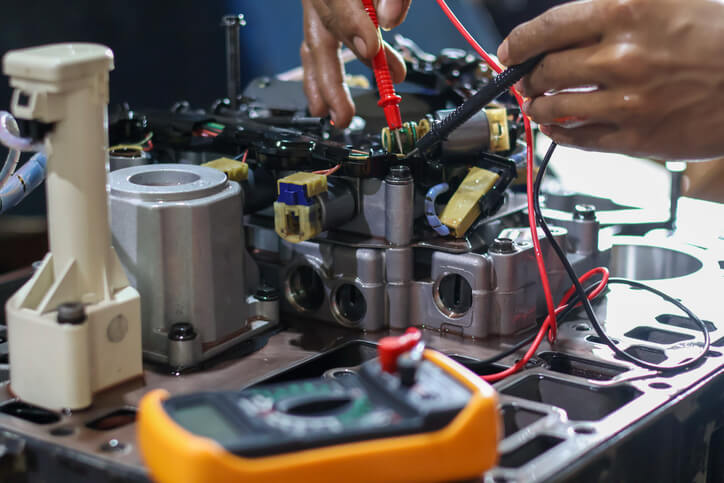
Technicians performing VVT solenoid diagnosis often test both electrical function and oil flow to determine whether the solenoid is operating correctly.
Students in our auto mechanic school learn how to interpret these symptoms and connect them to system operation.
Why Does Oil Quality Matter for VVT Systems?
VVT systems rely heavily on engine oil, not just for lubrication, but for control.
Oil pressure is used to actuate cam phasers, and clean oil is essential for proper flow through small passages and solenoids.
Poor oil quality can lead to:
- Sludge buildup
- Restricted oil flow
- Delayed or incorrect timing adjustments
Over time, this can cause both solenoid and cam phaser failure.
This is why regular oil changes are critical, especially in engines with VVT systems. Technicians often check oil condition early in the diagnostic process when addressing timing-related issues.
How Do Technicians Diagnose VVT Problems?
As you’ll discover in auto mechanic training, diagnosing variable valve timing problems requires a structured approach.
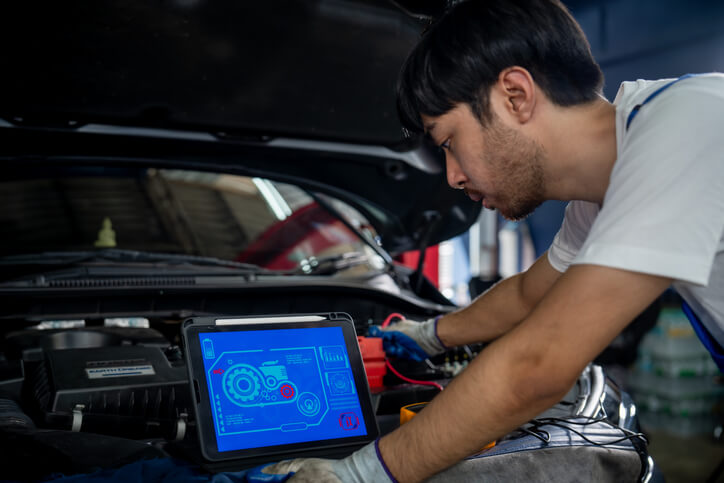
Technicians begin by reviewing scan tool data. They look for camshaft position readings, timing correlation, and fault codes.
From there, they may perform:
- Electrical testing of the VVT solenoid
- Oil pressure and condition checks
- Mechanical inspection of timing components
Because VVT systems are controlled electronically but rely on mechanical and hydraulic components, diagnosis must consider all three areas.
According to the U.S. Department of Energy, advanced engine technologies depend on precise control of timing and airflow, making accurate diagnostics essential.
Do Auto Mechanic Students Learn Engine Timing Diagnosis?
Yes. Engine timing is a core part of modern automotive training.
Budding mechanics are introduced to both traditional timing systems and advanced VVT systems.
Through hands-on practice, they learn how to:
- Interpret scan data
- Identify timing-related symptoms
- Perform system testing and inspection
This combination of theory and application prepares them to handle real-world diagnostic challenges in modern vehicles.
Why VVT Knowledge Matters for Future Technicians
Variable valve timing systems are now standard in most modern engines. As a result, diagnosing these systems is no longer optional; it is a required skill.
Understanding how VVT components interact helps technicians move beyond basic troubleshooting and into deeper engine performance diagnosis.
For those entering the industry, mastering these systems builds confidence and opens the door to more advanced diagnostic work.
Do you want to become a mechanic?
Contact ATC Cambridge for more information.
Key Takeaways
- Variable valve timing problems can cause rough idle, poor performance, and fault codes.
- Cam phasers adjust valve timing, while solenoids control oil flow.
- Oil quality plays a critical role in VVT system performance.
- Diagnosis requires scan data, electrical testing, and mechanical inspection.
- VVT systems are a core part of modern engine diagnostics.
FAQ
What are the symptoms of variable valve timing problems?
Common symptoms include rough idle, reduced power, poor fuel economy, and check engine light warnings related to timing.
What does a cam phaser do?
A cam phaser adjusts the position of the camshaft to change valve timing based on engine conditions.
Can a bad VVT solenoid cause a rough idle?
Yes. A faulty solenoid can disrupt oil flow and timing adjustments, leading to rough idle and performance issues.
Why does oil quality matter for VVT systems?
VVT systems rely on clean oil for proper operation. Poor oil quality can restrict flow and damage components.
Do auto mechanic students learn engine timing diagnosis?
Yes. Training programs teach students how to diagnose timing systems using scan data, testing, and inspection.