Vacuum Leak Diagnosis: How Smoke Tests and Fuel Trims Find Hidden Air Leaks
Vacuum Leak Symptoms and Diagnosis in Brief
Recognizing vacuum leak symptoms is an important part of modern engine diagnostics. Technicians combine visual inspections, smoke testing, scan tool data, and fuel trim readings to locate hidden air leaks instead of guessing. Learning this systematic approach helps future technicians solve drivability problems accurately and efficiently.
A vehicle that idles roughly, hesitates during acceleration, or suddenly illuminates the Check Engine light may have a vacuum leak. While these problems can have several causes, experienced technicians avoid replacing parts until they understand exactly what is happening.
Instead, they follow a logical diagnostic process using scan tools, testing equipment, and careful inspection. That is why learning to recognize vacuum leak symptoms is an important part of professional automotive diagnostics.
How Do Vacuum Leak Symptoms Present?
What are the symptoms of a vacuum leak? A vacuum leak allows unmetered air to enter the engine, upsetting the air-fuel mixture and affecting performance.
Common vacuum leak symptoms include:
- Rough or unstable idle
- Engine stalling
- Hesitation during acceleration
- Car sputtering when accelerating
- Poor fuel economy
- Check engine light on
- Whistling or hissing noises from the engine bay
Because many engine faults produce similar symptoms, technicians never rely on symptoms alone when diagnosing the problem.
How Do You Find a Vacuum Leak in a Car?
Auto mechanic school students are shown how to begin with a thorough visual inspection before moving on to diagnostic equipment.
They typically check:
- Vacuum hoses for cracks or loose connections
- Intake ducting
- PCV hoses
- Intake manifold gaskets
- Brake booster vacuum lines
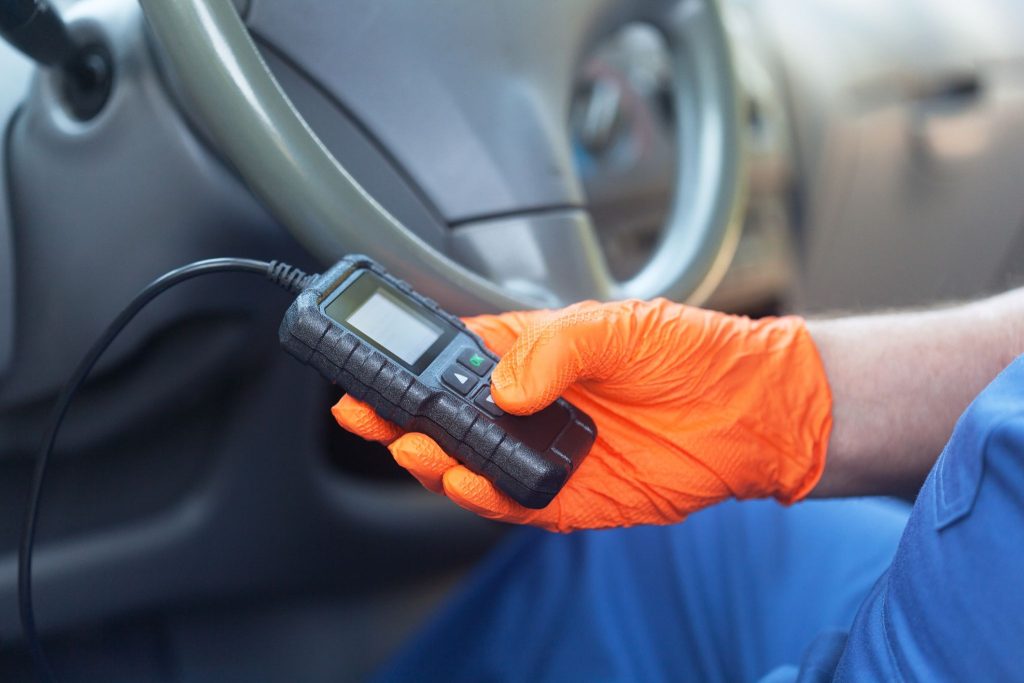
Next, an OBD2 scanner is connected to retrieve diagnostic trouble codes and view live engine data. The scanner may reveal lean-condition codes or abnormal sensor readings that point toward an air leak.
Technicians also review fuel trim values. Excessively positive fuel trims often indicate that the engine control module is adding extra fuel to compensate for unmetered air entering the engine.
Can a Vacuum Leak Cause Rough Idle or Stalling?
Yes. At idle, the engine is particularly sensitive to additional unmetered air.
A vacuum leak can create symptoms that resemble other problems, including bad mass air flow sensor symptoms, such as hesitation, poor acceleration, or unstable idle. This is why technicians compare scan tool data with physical inspections before deciding whether a sensor or an air leak is responsible.
Automotive training allows students to explore these relationships through hands-on practice, which helps prevent unnecessary replacement of expensive components.

How Does a Smoke Test Find a Vacuum Leak?
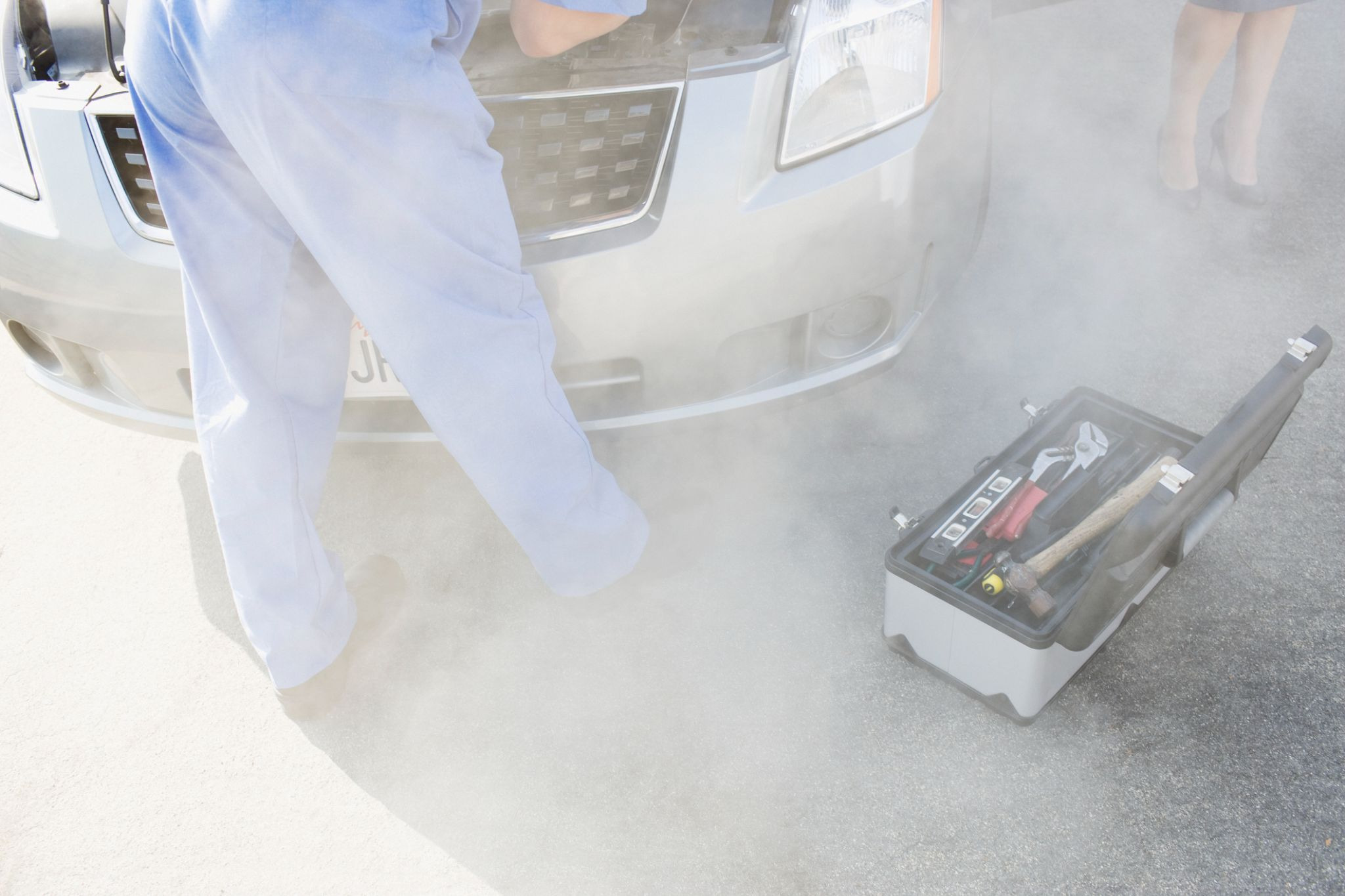
A smoke machine introduces a safe, low-pressure smoke into the intake system while the engine is off.
If smoke escapes through a cracked hose, damaged gasket, or loose connection, technicians can quickly identify the exact leak location.
A smoke test offers several advantages:
- Finds leaks that are difficult to see visually.
- Speeds up diagnosis.
- Prevents unnecessary parts replacement.
- Improves repair accuracy.
Combined with OBD2 scanner data and fuel trim analysis, smoke testing is one of the most effective ways to confirm a suspected vacuum leak.
Students enrolled in ATC auto mechanic school learn why professional diagnosis relies on testing rather than guessing. Through hands-on automotive training, future technicians develop the skills needed to interpret scan tool data, perform inspections, and prepare for rewarding careers in auto repair.
Would you like to explore a wide range of auto careers?
Contact ATC Toronto for more information.
Key Takeaways
- Vacuum leak symptoms often include rough idle, hesitation, and poor engine performance.
- An OBD2 scanner helps retrieve diagnostic trouble codes and monitor live engine data.
- Fuel trim readings can reveal unmetered air entering the engine.
- Smoke testing helps locate hidden intake leaks quickly and accurately.
- Professional technicians diagnose problems systematically instead of replacing parts based on symptoms alone.
FAQ
What are the symptoms of a vacuum leak?
Common symptoms include rough idle, hesitation, poor fuel economy, stalling, check engine lights, and car sputtering when accelerating.
How do you find a vacuum leak in a car?
Technicians inspect vacuum hoses, use an OBD2 scanner, review fuel trim data, retrieve diagnostic trouble codes, and perform smoke testing to locate hidden leaks.
Can a vacuum leak cause rough idle or stalling?
Yes. Extra unmetered air entering the engine can create an incorrect air-fuel mixture that leads to unstable idle, hesitation, or stalling.
How does a smoke test find a vacuum leak?
A smoke machine fills the intake system with harmless smoke, allowing technicians to see where smoke escapes through damaged hoses, seals, or gaskets.