
Transmission Range Sensor Problems: No-Start, Wrong-Gear, and PRNDL Clues
In Brief: Transmission Range Sensor Problems
- A transmission range sensor tells vehicle control modules which gear position the driver has selected.
- Common symptoms include no-start conditions, incorrect PRNDL displays, warning lights, and shifting concerns.
- A faulty sensor may prevent the starter from operating when the vehicle is in Park or Neutral.
- Diagnostic trouble codes such as P0705 can help identify transmission range circuit problems, but do not prove the sensor itself has failed.
- Technicians compare selector position, live scan-tool data, wiring, and manufacturer specifications before replacing components.
Your car is in Park, your foot is on the brake, and you’re ready to leave. You turn the key or press the start button, but nothing happens. Then you notice something strange: the dashboard doesn’t seem to recognize the gear you’ve selected. While several faults can cause these problems, a malfunctioning transmission position sensor is one possibility worth investigating.
This sensor helps the vehicle identify whether the transmission is in Park, Reverse, Neutral, or Drive. When its signal becomes unreliable, the result may be a no-start condition, an incorrect gear display, or unexpected shifting behaviour. For aspiring automotive technicians, recognizing transmission range sensor symptoms is only the beginning. The real skill lies in comparing what the driver selected with what the vehicle’s control systems actually detect. Here’s how technicians investigate these faults and determine whether the sensor, its wiring, or another component is responsible.
What Does a Transmission Range Sensor Do?
A transmission range sensor identifies the selected transmission position and communicates that information to the vehicle’s electronic control systems.
In many automatic-transmission vehicles, it monitors positions such as Park, Reverse, Neutral, and Drive, commonly displayed as PRNDL.
The sensor’s information may be used for several functions, including:
- Allowing engine starting only in permitted gear positions
- Supporting transmission control decisions
- Displaying the selected gear on the dashboard
- Helping control reverse-related functions, depending on vehicle design
Some vehicles use a separate sensor mounted on or inside the transmission. Others integrate position sensing into the gear-selector assembly or transmission mechatronics.
The exact arrangement matters because not every vehicle uses the same components or diagnostic procedures.
What Are the Symptoms of a Bad Transmission Range Sensor?
A faulty sensor may cause several problems, but the symptoms depend on how the vehicle uses its position signal.
| Symptom | What the Driver May Notice | What Technicians Investigate |
|---|---|---|
| No-start condition | Starter doesn’t engage in Park or Neutral | Start authorization, selector data, sensor circuit |
| Incorrect PRNDL display | Dashboard shows the wrong gear or no recognized position | Selector alignment, live data, wiring |
| Shifting concern | Delayed engagement, abnormal shift behaviour, or fail-safe operation | Range input, transmission codes, control-system data |
| Warning light | Check engine or transmission warning appears | Stored and pending diagnostic trouble codes |
| Intermittent operation | Problem appears only sometimes | Loose connections, damaged wiring, sensor adjustment |
These transmission range sensor symptoms can resemble other electrical or mechanical faults.
For example, a no-start complaint could involve the battery, starter circuit, brake-pedal switch, or another start-interlock component.
Technicians must verify the cause rather than assume the sensor is defective.
Can a Faulty Range Sensor Prevent a Car From Starting in Park?
Yes. Many automatic-transmission vehicles are designed to permit engine cranking only when the transmission is recognized as being in Park or Neutral.
If the range sensor reports an invalid or incorrect position, the vehicle may not authorize starting.
This is closely related to traditional neutral safety switch symptoms, which include an engine that won’t crank in Park or Neutral, or intermittent starting problems.
Older vehicles may use a dedicated neutral safety switch. Newer designs often incorporate the start-interlock function into a transmission range sensor and electronic control strategy.
A vehicle that starts in Neutral but not Park may have a range-sensing or selector-adjustment problem, although that behaviour alone doesn’t identify the failed component.
Technicians should never bypass a start-interlock system to make a vehicle operate. Doing so can create a serious unintended-movement hazard.
Why Might the PRNDL Display Show the Wrong Gear?
The dashboard’s PRNDL display generally relies on information from the gear-selector or transmission-position sensing system.
If the driver selects Drive but the display indicates Neutral, the control module may be receiving incorrect or conflicting information.
Possible causes include a misadjusted sensor, damaged wiring, connector corrosion, selector linkage problems, or faults in electronic shift-control components.
A technician needs to distinguish between the driver’s requested gear and the position the transmission actually reports.
That distinction becomes particularly important on vehicles with electronic gear selectors, where the selector command and transmission engagement may be monitored separately.
What Does a Transmission Range Sensor Code Mean?
A transmission range sensor code indicates that the vehicle’s control system has detected a problem involving transmission-position information or its associated circuit.
One commonly encountered example is P0705, which generally identifies a transmission range sensor circuit malfunction.
Related codes can include:
- P0706: Transmission range sensor circuit range/performance
- P0707: Transmission range sensor circuit low input
- P0708: Transmission range sensor circuit high input
- P0709: Transmission range sensor circuit intermittent
These generic descriptions provide useful diagnostic direction. However, their precise monitoring criteria and implications depend on the vehicle manufacturer.
A P0705 code doesn’t automatically mean the sensor must be replaced.
A wiring fault, connector problem, incorrect adjustment, or another control-system issue may produce similar results.
How Do Technicians Test PRNDL and Transmission-Position Data?
Accurate diagnosis involves comparing the driver’s selected position with the information reported by the vehicle.
A typical investigation may include:
- Confirm the complaint. Document the no-start, incorrect display, or shifting concern and the conditions under which it occurs.
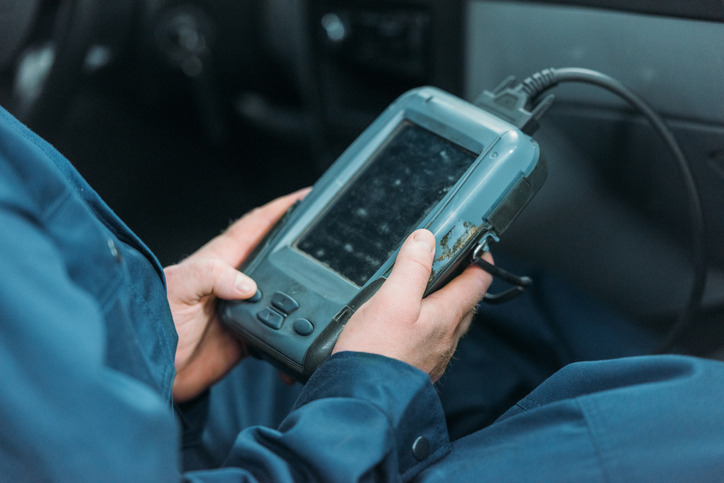
- Retrieve diagnostic codes. Check relevant control modules for stored, pending, and manufacturer-specific faults.
- Review live data. Compare gear-selector position, transmission range status, and start-authorization information where available.
- Inspect mechanical and electrical connections. Look for damaged connectors, corrosion, wiring defects, or selector misadjustment.
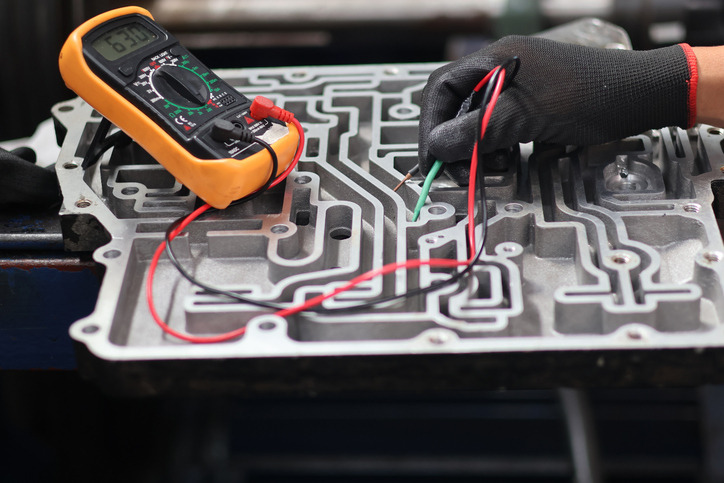
- Perform manufacturer-specified circuit tests. Check the relevant signals, supply voltage, grounds, or communication data using approved procedures.
- Verify the repair. Confirm correct gear recognition, starting behaviour, and transmission operation after the fault is addressed.
Some range sensors use discrete electrical contacts, while others rely on electronic or networked position signals. Consequently, technicians cannot apply the same voltage or resistance test to every design.
Correct service information is essential before disconnecting components or probing circuits.
Why Is Accurate Diagnosis Important Before Replacing a Range Sensor?
A sensor can report incorrect information without being the component that caused the problem.
Imagine a vehicle arrives at a repair shop because its dashboard intermittently displays Neutral while the driver has selected Drive.
The technician retrieves a range sensor fault code. Replacing the sensor immediately might seem reasonable, but further inspection reveals corrosion inside its electrical connector.
In that case, the problem may be the connection rather than the sensor itself.
This hypothetical example illustrates an important principle: a diagnostic trouble code identifies a problem to investigate, not necessarily a part to replace.
Checking wiring, connections, adjustments, and control-module data can prevent unnecessary repairs and help technicians confirm the actual fault.
How Can Future Mechanics Learn Transmission Sensor Diagnostics?
Modern automatic transmissions rely on mechanical components, electronic sensors, and control modules working together.
A technician investigating a no-start complaint may need to understand transmission operation, electrical circuits, scan-tool data, and vehicle safety systems.
These skills develop through a combination of technical knowledge and practical experience.
If you’re considering an auto mechanic school, exploring modern electrical and transmission systems is an important part of understanding today’s automotive service industry. At our Cambridge campus, our auto mechanic training helps students build a foundation in automotive systems, including the principles of vehicle inspection, maintenance, and troubleshooting.
Learning how to approach a fault systematically is especially valuable. Rather than guessing which part has failed, students can develop the habits needed to investigate symptoms, interpret information, and understand how vehicle systems interact.
Do you want to become a mechanic?
Contact ATC Cambridge for more information.
Key Takeaways
- Transmission range sensors communicate selected gear-position information to vehicle control systems.
- Common symptoms include no-start conditions, incorrect PRNDL displays, and shifting concerns.
- Starting problems can resemble traditional neutral safety switch faults.
- Codes such as P0705 identify transmission range circuit concerns but don’t automatically confirm sensor failure.
- Technicians compare selector position, live data, electrical circuits, and manufacturer specifications before recommending repairs.
FAQ
What Does a Transmission-Range Sensor Do?
A transmission range sensor detects the selected gear position and communicates that information to the vehicle’s control systems. Its signals may support starting authorization, transmission operation, and dashboard gear-position displays.
What Are the Symptoms of a Bad Transmission-Range Sensor?
Common symptoms include an engine that won’t crank in Park or Neutral, an incorrect or missing PRNDL display, intermittent starting problems, warning lights, and unusual shifting behaviour. Other electrical or mechanical faults can cause similar symptoms.
Can a Range Sensor Prevent a Car From Starting in Park?
Yes. If the sensor fails to report Park correctly, the vehicle’s start-interlock system may prevent the starter from operating. Technicians must also consider wiring, selector adjustment, and other starting-system components.
How Do Technicians Test PRNDL and Transmission-Position Data?
Technicians use diagnostic scan tools to compare selected gear positions with reported transmission data. They may also inspect wiring, connectors, and mechanical adjustments, then perform manufacturer-approved electrical tests to identify the cause.


