Top 5 Emerging Skills for Automotive Technicians in 2026
TL;DR: In 2026, the most valuable automotive technician skills go beyond traditional mechanic skills. Employers increasingly want technicians who can handle EV maintenance, use scan tools with strong diagnostic software proficiency, understand modern electrical/ADAS systems, communicate clearly, and commit to continuous learning in automotive. The fastest way to build these future mechanic skills is through hands-on auto mechanic training.
The automotive industry is evolving faster than ever. With electric vehicles, advanced driver-assistance systems, and connected car technology becoming the norm, today’s students must prepare for a new generation of automotive technician skills.
If you’re considering enrolling in an auto mechanic school or exploring future auto careers, understanding these emerging skills can help you stay competitive in 2026 and beyond.
Here are the top five skills shaping the future of the trade.
1. EV Maintenance and High-Voltage Safety
Electric vehicles are no longer niche, they’re mainstream. As a result, EV maintenance is one of the most in-demand mechanic skills today.
Technicians must understand:
- High-voltage battery systems
- Electric drivetrains
- Charging systems and infrastructure
- Hybrid vehicle components
Knowledge of EV systems isn’t just an asset, it’s becoming essential. Employers increasingly look for candidates who are confident working with alternative fuel and electric platforms.
How does knowledge of electric vehicles benefit new technicians?
Understanding EV systems expands your job opportunities, increases your earning potential, and positions you for long-term career growth. As more manufacturers shift toward electrification, technicians with EV expertise will be in high demand across dealerships, independent shops, and fleet services.
2. Diagnostic Software Proficiency as an Automotive Technician Skill
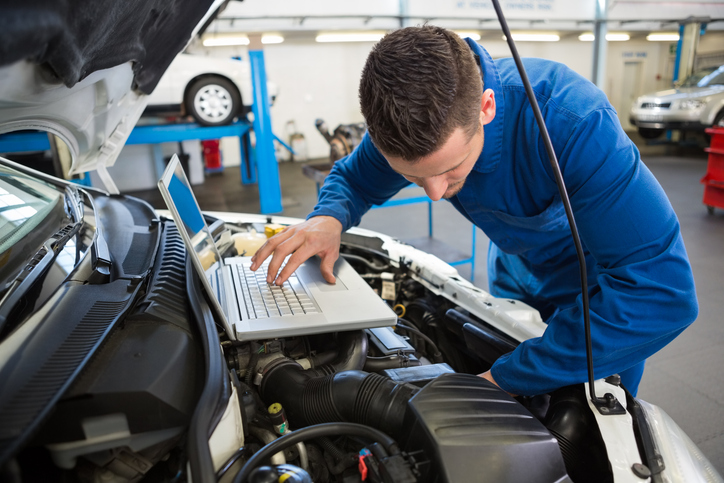
Modern vehicles are computers on wheels. Mechanical knowledge alone isn’t enough, as a grad of an auto mechanic school, you also need strong diagnostic software proficiency.
Technicians regularly use:
- Scan tools
- OEM diagnostic platforms
- Digital service manuals
- Programming and calibration software
Why are computer and software skills important for mechanics now?
Today’s vehicles rely on complex electronic control units (ECUs) and sensors. Without computer and software skills, diagnosing issues accurately becomes nearly impossible. Mastering digital tools improves efficiency, reduces guesswork, and helps technicians solve problems faster—making you more valuable to employers.
Developing these abilities is a core part of building well-rounded future mechanic skills.
3. Electrical and ADAS Knowledge
Advanced Driver-Assistance Systems (ADAS), such as lane departure warnings and adaptive cruise control, require calibration and precise servicing. Electrical troubleshooting is no longer optional—it’s foundational.
Emerging automotive technician skills now include:
- Sensor calibration
- Radar and camera alignment
- Wiring diagnostics
- Network communication systems (CAN bus)
As vehicles become more connected, technicians must understand how electrical systems communicate across the entire vehicle.
4. Mechanic Communication Skills

Technical expertise alone won’t guarantee success. Strong mechanic communication skills are becoming just as important as hands-on abilities.
Technicians must be able to:
- Explain complex repairs clearly to customers
- Collaborate with service advisors and team members
- Document repairs accurately
- Build trust through professionalism
Shops value technicians who can translate technical jargon into language customers understand. These soft skills help improve customer satisfaction and increase repeat business.
5. Continuous Learning to Update Automotive Technician Skills
Technology won’t stop evolving in 2026—and neither should you. A mindset focused on continuous learning in automotive is one of the most important mechanic skills you can develop.
What new skills will future auto mechanics need to succeed?
Future auto mechanics will need a blend of mechanical expertise, digital literacy, EV knowledge, advanced diagnostics, and strong communication abilities. The technicians who succeed will be those who stay curious, adapt to new tools, and actively upgrade their certifications and training.
Committing to lifelong learning ensures you remain competitive as vehicle technology advances.
Preparing for the Future
If you’re serious about building strong automotive technician skills, choosing the right education matters. A reputable auto mechanic school can help you gain hands-on experience with modern vehicles, diagnostic tools, and evolving technologies.
Through structured auto mechanic training, you can develop the technical knowledge, digital expertise, and practical confidence needed to launch rewarding auto careers in today’s changing industry.
The future belongs to technicians who combine traditional mechanical ability with modern technology skills. By focusing on EV maintenance, diagnostic software proficiency, electrical systems, communication, and continuous learning, you’ll be prepared for long-term success in 2026 and beyond.
Would you like to explore new auto careers today?
Contact ATC Toronto for more information about its programs.
Key Takeaways
- EV and high-voltage knowledge is increasingly essential.
- Software diagnostics are now core mechanic skills.
- Electrical and ADAS systems drive modern repairs.
- Clear communication improves shop performance.
- Ongoing training keeps technicians employable.
- Hands-on auto mechanic training prepares students for real auto careers.
FAQ
Q: What new skills will future auto mechanics need to succeed?
A: Future auto mechanics will need a blend of mechanical expertise, digital literacy, EV knowledge, advanced diagnostics, and strong communication abilities. The technicians who succeed will be those who stay curious, adapt to new tools, and actively upgrade their certifications and training.
Q: Why are computer and software skills important for mechanics now?
A: Today’s vehicles rely on complex electronic control units (ECUs) and sensors. Without computer and software skills, diagnosing issues accurately becomes nearly impossible. Mastering digital tools improves efficiency, reduces guesswork, and helps technicians solve problems faster—making you more valuable to employers.
Q: How does knowledge of electric vehicles benefit new technicians?
A: Understanding EV systems expands your job opportunities, increases your earning potential, and positions you for long-term career growth. As more manufacturers shift toward electrification, technicians with EV expertise will be in high demand across dealerships, independent shops, and fleet services.