
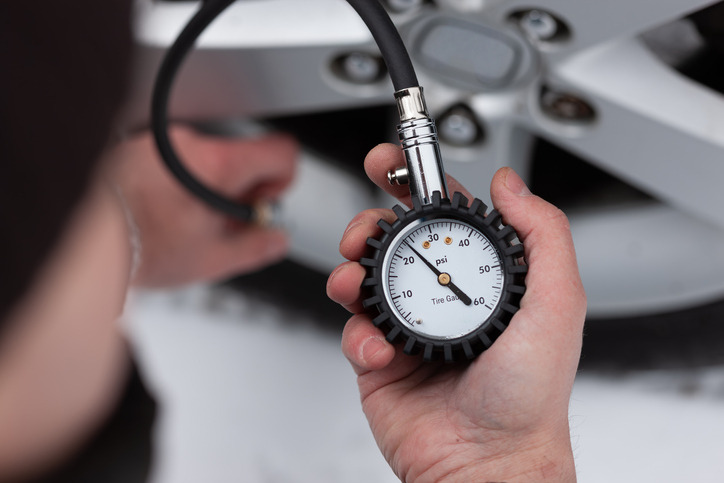
Cold-Weather Tire Pressure: Why Temperature Drops Trigger TPMS Complaints
In Brief: Tire Pressure in Cold Weather: TPMS Warnings and Checks
Tire pressure in cold weather decreases because the air inside the tire contracts as temperatures fall. A drop of approximately 5–6°C can reduce pressure by about 1 psi, potentially triggering a tire pressure monitoring system (TPMS) warning. Technicians distinguish normal seasonal pressure changes from leaks by checking all tires with a reliable gauge, inspecting for damage, and monitoring whether pressure remains stable after adjustment.
A vehicle can be perfectly fine one evening and greet its driver with a tire pressure warning the next morning. In Cambridge, Ontario, where autumn temperatures can drop sharply overnight, this is a familiar winter-season complaint. The warning may appear even when the tires look properly inflated.
Understanding the relationship between tire pressure and cold weather helps explain why this happens. For aspiring automotive technicians, the important question is whether the alert reflects a normal temperature-related pressure drop, an actual air leak, or a problem with the tire pressure monitoring system itself.
Why Does Tire Pressure Drop When Temperatures Fall?
Air pressure changes with temperature. When the air inside a tire cools, its pressure decreases, even if no air has escaped.
As a general rule, tire pressure can fall by approximately 1 psi for every 5–6°C decrease in temperature. A tire inflated correctly during a mild afternoon may therefore fall below the vehicle’s recommended pressure after a much colder night.
This explains why tire pressure drops in cold conditions without necessarily indicating a puncture. For example, if a tire measures 35 psi at a relatively warm temperature, a substantial overnight temperature decrease could bring it closer to 32 psi. Depending on the vehicle’s TPMS threshold, that change may be enough to activate a warning.
Pressure can rise again as the tires warm during driving, but that doesn’t mean a low-pressure warning should be ignored.
How Does Cold Weather Trigger the TPMS Light?
The tire pressure monitoring system alerts drivers when tire pressure falls below a specified threshold.
Two common TPMS designs are used:
- Direct TPMS: Sensors inside the wheels measure tire pressure and transmit information to the vehicle.
- Indirect TPMS: The system uses wheel-speed information, typically from ABS sensors, to identify changes consistent with underinflation.
A TPMS light in cold weather may therefore reflect a genuine pressure decrease rather than a sensor malfunction.
Technicians also consider the warning’s behaviour. A steady low-pressure indicator commonly signals underinflation, while a flashing indicator that later remains illuminated may indicate a TPMS malfunction, depending on the manufacturer.
Because dashboard indicators vary between vehicles, technicians must consult the appropriate service information before interpreting a warning.
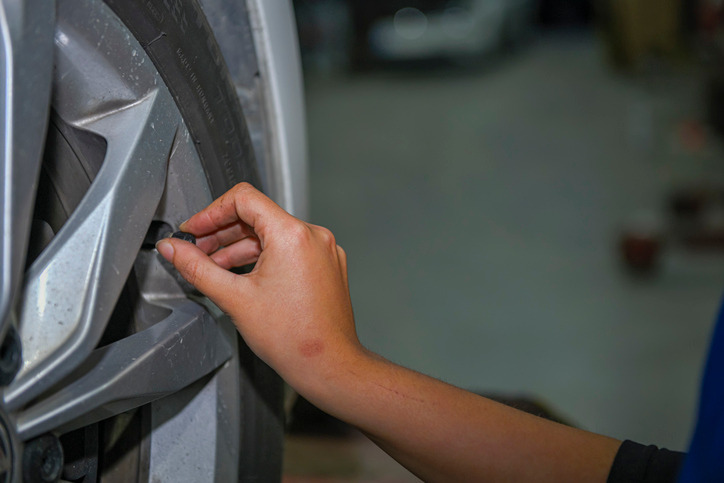
How Do Technicians Tell a Seasonal Pressure Drop From a Leak?
A temperature-related pressure decrease generally affects several tires in a similar way. A slow leak may cause one tire to lose pressure more quickly than the others. Technicians begin by measuring all four tires when cold and comparing the readings with the manufacturer’s recommended inflation pressures.
They then investigate anything unusual:
- Uneven readings: One tire significantly lower than the others may indicate a leak.
- Tread damage: Nails, screws, or punctures can cause gradual air loss.
- Valve stems: Damaged valves or valve cores may allow air to escape.
- Bead sealing: Corrosion or damage around the wheel rim can interfere with the tire’s seal.
- Repeated warnings: Pressure that drops again after proper inflation requires further investigation.
If necessary, technicians use approved leak-detection methods to locate escaping air. This diagnostic approach is an important part of auto mechanic training, where understanding the cause of a complaint matters as much as recognizing the symptom.
Should Drivers Adjust Tire Pressure During Winter?
Yes. Tire pressure should be checked regularly and adjusted to the vehicle manufacturer’s recommended cold inflation pressure, particularly when temperatures change significantly. The correct specification is usually found on the tire information placard inside the driver’s door area or in the owner’s manual. The maximum pressure printed on the tire sidewall is not the vehicle’s recommended setting.
For accurate readings, tires should be checked before driving or after the vehicle has been parked long enough to cool. Maintaining correct winter tire pressure helps preserve predictable handling, braking performance, and tire wear.
Drivers should also avoid deliberately overinflating tires to compensate for future temperature changes. Instead, they should follow the manufacturer’s cold inflation specification and recheck pressures as conditions change.
What If the TPMS Warning Remains On After Inflation?
A warning that persists after the tires have been correctly inflated may require additional checks. Some vehicles need a TPMS reset or relearn procedure after pressure adjustments, tire rotation, or wheel replacement. Others update their readings automatically after driving.
Technicians may also investigate failed sensors, weak sensor batteries, damaged components, or faults in the system’s communication with the vehicle.
This is where electronic diagnostics become important. Someone attending an auto mechanic school learns why a dashboard warning should be investigated systematically rather than treated as proof that a particular component has failed.

Build Your Diagnostic Skills at ATC Cambridge
A winter tire pressure complaint may seem straightforward, but identifying its cause requires an understanding of tire behaviour, vehicle specifications, and electronic monitoring systems.
If you’re interested in learning how to diagnose and maintain modern vehicles, explore the training options available at Automotive Training Centre Cambridge. Our automotive service technician program offers a starting point for budding mechanics to develop practical automotive knowledge.
Do you want to become a mechanic?
Contact ATC Cambridge for more information.
Key Takeaways
- Tire pressure in cold weather can decrease by approximately 1 psi for every 5–6°C temperature drop.
- A TPMS warning during winter may indicate genuine underinflation rather than a sensor fault.
- Direct TPMS uses pressure sensors, while indirect TPMS generally relies on wheel-speed information.
- Technicians compare cold tire pressures, inspect for leaks, and investigate recurring warnings before diagnosing a sensor problem.
- Drivers should follow the vehicle manufacturer’s recommended cold inflation pressure, not the maximum pressure printed on the tire sidewall.
FAQ
Why does tire pressure drop when it gets cold?
Tire pressure decreases because cooling air exerts less pressure inside the tire. A temperature drop of approximately 5–6°C can lower tire pressure by around 1 psi, even when there is no puncture or leak.
Can cold weather turn on the TPMS light?
Yes. Falling temperatures can reduce tire pressure enough to trigger a TPMS warning. Drivers should check all tires using an accurate pressure gauge rather than assuming the warning is caused by cold weather alone.
Should tire pressure be adjusted in winter?
Yes. Drivers should check their tires when cold and inflate them to the vehicle manufacturer’s recommended pressure. Regular checks are particularly important when temperatures fluctuate significantly during winter.
How do technicians distinguish a leak from a temperature-related alert?
Technicians compare the cold inflation pressures of all tires and look for uneven pressure loss. They also inspect tread punctures, valve stems, and bead seals. If one tire repeatedly loses pressure after inflation, further leak testing is necessary.


