

Tire Age and Condition: What Technicians Check Before Winter
In Brief: How Old Are My Tires? Age, DOT Codes, & Winter Checks
How old are your tires? Check the last four digits of the tire’s DOT identification number: the first two indicate the manufacturing week, and the last two indicate the year. Tire age matters because rubber and internal components can deteriorate over time, even when tread depth appears adequate. Before winter, technicians examine tire age, tread wear, sidewall damage, inflation, and the manufacturer’s recommendations to determine whether a tire remains suitable for service.
A set of winter tires can look perfectly usable at first glance. The tread appears deep, the sidewalls seem intact, and the driver remembers using them for only a few seasons. But there’s another question worth asking before installation: how old are my tires, and does their age affect their condition?
Tires deteriorate over time, even when they aren’t driven frequently. For automotive technicians preparing vehicles for winter in Cambridge, Ontario, checking a tire’s manufacturing date is an important part of a broader inspection. Knowing how to interpret that date, recognize damage, and explain replacement recommendations helps technicians make informed safety assessments.
How Can You Tell How Old Your Tires Are?
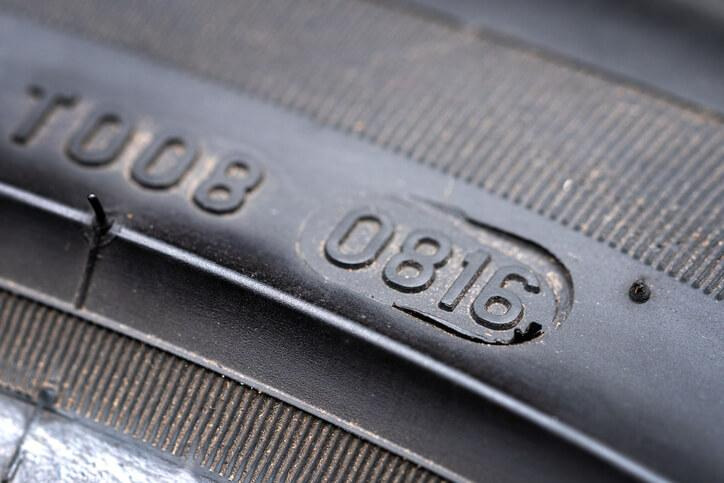
A tire’s age is determined by its manufacturing date, which is recorded in the Tire Identification Number (TIN) on its sidewall.
On tires manufactured since 2000, the date appears as a four-digit code. The first two digits indicate the week of manufacture, while the last two indicate the year. For example, a tire marked 2321 was manufactured during the 23rd week of 2021. That makes it approximately five and a half years old in November 2026.
The tire DOT date code may appear on only one sidewall, so technicians sometimes need to inspect the inner side of the tire to locate the complete identification number. Understanding how to read tire date code markings helps technicians establish a tire’s age before evaluating its overall condition.
Why Does Tire Age Matter Before Winter?
Tires are made from rubber compounds and structural materials that gradually change as they age. Exposure to sunlight, oxygen, heat, and environmental conditions can contribute to deterioration. Storage conditions, maintenance, and driving habits also affect how a tire ages.
A tire may still have substantial tread depth while developing cracking, hardening, or other signs of deterioration. Winter conditions make these concerns particularly important. Tires must provide dependable grip on cold pavement, snow, and ice, while their structural components must remain in suitable condition.
Age alone does not reveal everything about a tire’s safety, but it gives technicians useful information when combined with a physical inspection.
How Old Is Too Old for a Car Tire?
There is no single universal tire age limit that applies to every passenger tire. However, several tire manufacturers recommend replacing tires after a maximum of ten years from their manufacturing date, regardless of remaining tread depth. Some manufacturers recommend more frequent inspections as tires age or specify earlier replacement intervals.
Drivers should follow the recommendations provided by the tire manufacturer and vehicle manufacturer, particularly when those recommendations differ.
For example, a seven-year-old tire with deep tread may still require replacement if it shows cracking or other deterioration. Meanwhile, a newer tire with significant sidewall damage may also be unsafe. Technicians should therefore avoid making replacement decisions based on age alone.
What Tire Damage Should Technicians Check Before Winter?
A thorough winter tire inspection involves much more than checking the manufacturing date.
Technicians should examine several areas:
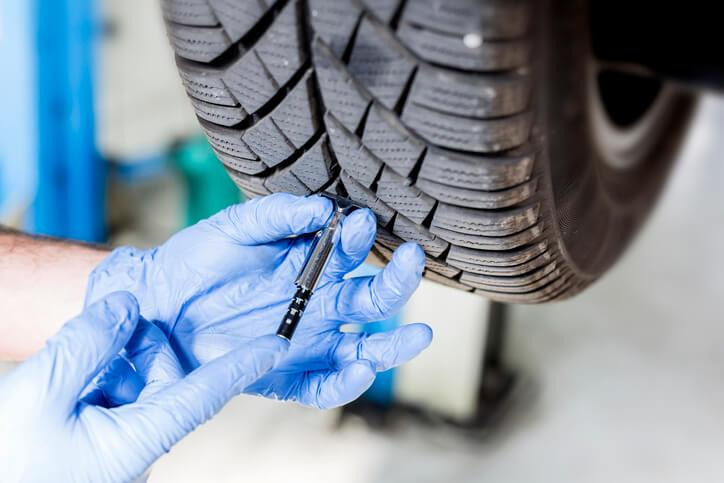
- Tread depth: Measure remaining tread and identify areas where wear is approaching or below recommended winter service levels.
- Uneven wear: Look for patterns that may indicate alignment, suspension, or inflation problems.
- Sidewall cracking: Inspect for weathering, cuts, and signs of rubber deterioration.
- Bulges or blisters: Identify visible deformation that may indicate internal structural damage.
- Punctures and previous repairs: Check whether repairs are appropriate and comply with accepted service standards.
- Bead condition: Examine the area where the tire seats against the wheel for visible damage.
- Inflation and compatibility: Confirm correct tire pressure, size, load rating, and suitability for the vehicle.
Tires showing serious structural damage should not be returned to service simply because they have sufficient tread.
These inspections demonstrate why auto mechanic training emphasizes understanding vehicle condition rather than relying on a single measurement.
Can Tires Be Unsafe Even With Plenty of Tread?
Yes. Tread depth is important, but it cannot reveal every problem affecting a tire. A tire with deep tread may have been stored improperly, exposed to prolonged heat, or damaged by impacts.
For instance, a driver might bring in winter tires that have been stored in a garage for several years. The tread looks nearly new, but close inspection reveals cracking around the sidewall. In that situation, the technician should assess the deterioration and consult manufacturer guidance rather than assume the tires are safe because they have seen little use.
Similarly, a tire with a sidewall bulge may have suffered internal damage and should not be considered safe based on tread condition.
How Do Technicians Explain Tire Age and Replacement Recommendations?
Good technicians help customers understand what an inspection reveals without creating unnecessary alarm. A driver may be surprised to learn that a tire manufactured several years ago could require closer examination, especially if it has been driven only occasionally.
A clear explanation connects the recommendation to observable evidence. For example, a technician might say: “These tires were manufactured in 2019. The tread is still fairly deep, but there’s visible cracking along the sidewall. I’d recommend replacing them before winter because their condition raises safety concerns.”
This approach explains the reason for the recommendation rather than relying on the tire’s age alone. It also helps customers understand why a complete inspection matters before seasonal installation.
Why Is Tire Inspection an Important Skill for Future Mechanics?
Tire inspections teach technicians to combine measurements, visual observations, manufacturer specifications, and professional judgment.
These skills apply to many areas of automotive service. Students can begin developing the habits needed to identify wear, recognize potential safety concerns, and explain maintenance recommendations clearly.
For anyone hoping to become a mechanic, understanding tire age and condition is one example of how routine inspections contribute to safer vehicle operation.
Explore Auto Mechanic Training at ATC Cambridge
Knowing how to read a tire’s manufacturing date is useful, but understanding what that date means alongside tread depth, damage, and service history is what makes the inspection valuable. Explore ATC Cambridge’s automotive service technician training to learn more about vehicle inspections, maintenance procedures, and the skills involved in professional automotive service.
Would you like to explore training opportunities at our auto mechanic school?
Contact ATC Cambridge for more information.
Key Takeaways
- The tire DOT date code identifies the week and year a tire was manufactured.
- For tires manufactured since 2000, the final four digits of the identification number provide the manufacturing date.
- Tire age matters because rubber and internal components can deteriorate even when tread depth remains adequate.
- There is no universal tire age limit; manufacturer replacement recommendations vary.
- Technicians should inspect tread depth, cracking, bulges, uneven wear, previous repairs, and tire compatibility before winter installation.
- A tire with deep tread can still be unsafe if it has structural damage or significant deterioration.
- Explaining inspection findings clearly helps drivers understand replacement recommendations.
FAQ
How do you read a tire’s manufacturing date?
Find the complete DOT Tire Identification Number on the tire’s sidewall. For tires manufactured since 2000, the final four digits indicate the manufacturing date. The first two represent the week, and the last two represent the year. For example, 2321 means the tire was manufactured during the 23rd week of 2021.
How old is too old for a car tire?
There is no single universal replacement age. Vehicle and tire manufacturers may recommend replacement at different ages, often between six and ten years, depending on their guidelines. Tires showing damage or deterioration may require earlier replacement. Follow the applicable tire and vehicle manufacturer recommendations, and replace damaged or deteriorated tires regardless of age.
Can tires be unsafe with plenty of tread?
Yes. A tire can have substantial tread remaining while showing sidewall cracking, internal damage, bulges, or age-related deterioration. Tread depth is only one part of a complete tire safety inspection.
What tire damage should technicians check before winter?
Technicians should inspect sidewall cracking, cuts, bulges, uneven tread wear, punctures, previous repairs, bead damage, and signs of deterioration. They should also verify tire age, inflation pressure, and compatibility with the vehicle.


