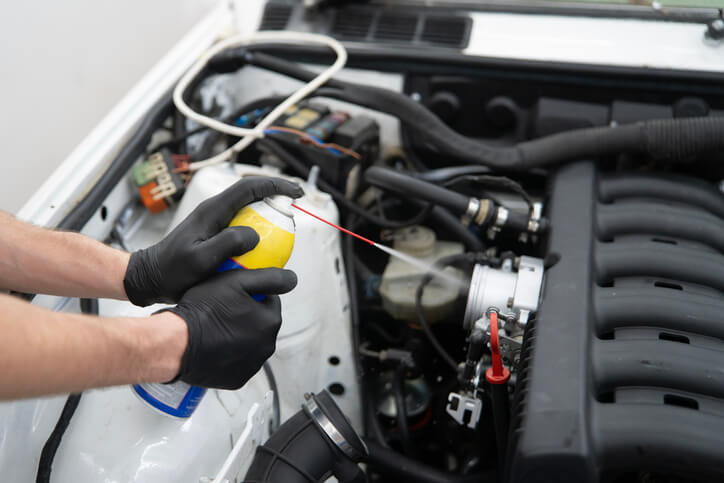
Throttle Body Cleaning: When It Helps (and When It’s Not the Real Problem)
TL;DR
Throttle body cleaning can improve rough idle and hesitation when carbon buildup is present, but it’s not always the root cause. Technicians rely on automotive diagnostics, including fuel trim and scan data, to confirm whether cleaning will solve the issue or if deeper problems exist.
Rough idle, hesitation, or inconsistent throttle response often lead people to assume that throttle body cleaning is the solution. While buildup in the throttle body can affect airflow and performance, it’s only one of several possible causes.
For trained technicians, the goal is to confirm the root cause. This is where structured automotive diagnostics come into play. Instead of immediately cleaning components, professionals use tools like an OBD2 scanner to analyze system behavior and identify what’s actually happening.
For students entering an Automotive Service Technician Foundation program, learning when cleaning is appropriate and when it’s not is an important step in developing accurate diagnostic habits.
What Symptoms Can a Dirty Throttle Body Cause?
A dirty throttle body can disrupt airflow into the engine, which may lead to unstable idle, hesitation during acceleration, or reduced throttle response. In some cases, vehicles equipped with a start-stop system may also experience inconsistent operation, as airflow precision is critical for smooth restarts.
However, as students may explore during an Automotive Service Technician Foundation program, these symptoms are not exclusive to throttle body issues. Similar behavior can be caused by vacuum leaks, sensor faults, or fuel delivery problems. This overlap is why technicians avoid jumping to conclusions without proper testing.
Why Technicians Check Fuel Trim First
Why do technicians check fuel trims before cleaning parts? Before performing throttle body cleaning, technicians review fuel trim data to understand how the engine is adjusting the air-fuel mixture.
If fuel trim readings indicate a lean condition, the problem may be caused by unmetered air entering the system rather than carbon buildup. On the other hand, stable readings may suggest that the throttle body is not the primary issue.
This step helps prevent unnecessary work and ensures that cleaning is only performed when it is likely to make a difference.
When Throttle Body Cleaning Is Needed
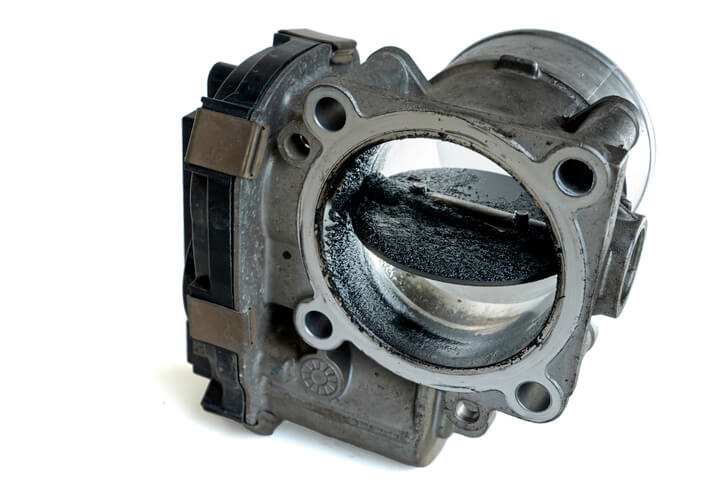
There are situations where throttle body cleaning is the correct solution. Over time, carbon deposits can accumulate around the throttle plate, restricting airflow and affecting idle stability.
When buildup is confirmed through inspection and supported by diagnostic data, cleaning can restore proper airflow and improve performance.
This is especially common in vehicles with high mileage or those that experience frequent stop-and-go driving. The key is confirmation. Cleaning should follow diagnosis, not replace it.
Can Throttle Issues Trigger Misleading Codes?
Yes. Problems related to airflow or throttle response can sometimes trigger diagnostic trouble codes that point to symptoms rather than root causes. For example, a lean condition caused by a vacuum leak may produce codes that seem related to fuel or sensor performance.
Because of this, technicians use scan data and testing procedures to interpret codes in context. Relying solely on codes without further analysis can lead to unnecessary repairs, including cleaning parts that are not actually causing the issue.
The Role of the OBD2 Scanner in Diagnosis
An OBD2 scanner plays a central role in determining whether throttle body cleaning is needed. By analyzing live data, technicians can observe how the engine responds under different conditions.
This includes monitoring airflow readings, throttle position, and fuel trim values. When combined, these data points provide a clearer picture of engine performance and help identify whether airflow restriction is present. This approach reflects modern automotive diagnostics, where decisions are based on data rather than assumptions.
Is Throttle and Intake Diagnosis Taught in Training?
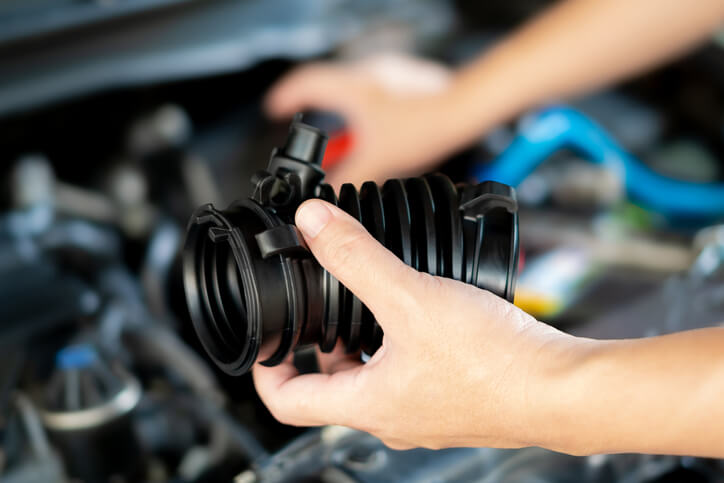
Yes. Understanding intake systems and performing throttle body cleaning is explored during automotive training practical modules. Students learn how to inspect components, interpret diagnostic data, and apply structured troubleshooting methods.
In our auto mechanic school in Surrey, hands-on training allows students to work with real systems and develop confidence in identifying issues accurately. This ensures they are prepared to handle real-world diagnostic challenges.
Are you looking for a comprehensive auto mechanic course?
Contact ATC Surrey for more information.
Key Takeaways
- Throttle body cleaning can improve performance when carbon buildup restricts airflow
- Similar symptoms can be caused by other issues, making diagnosis essential
- Fuel trim data helps determine whether cleaning is necessary
- Diagnostic trouble codes may not always point directly to the root cause
- Modern diagnostics rely on tools like an OBD2 scanner for accurate decision-making
FAQ
What symptoms can a dirty throttle body cause?
It can cause rough idle, hesitation, and reduced throttle response.
Why do technicians check fuel trims before cleaning parts?
Fuel trim data helps determine whether the issue is related to airflow, fuel delivery, or another cause.
Can throttle issues trigger misleading trouble codes?
Yes, codes may reflect symptoms rather than the actual problem.
Is throttle and intake diagnosis part of mechanic training?
Yes, it is a key part of modern automotive training programs.