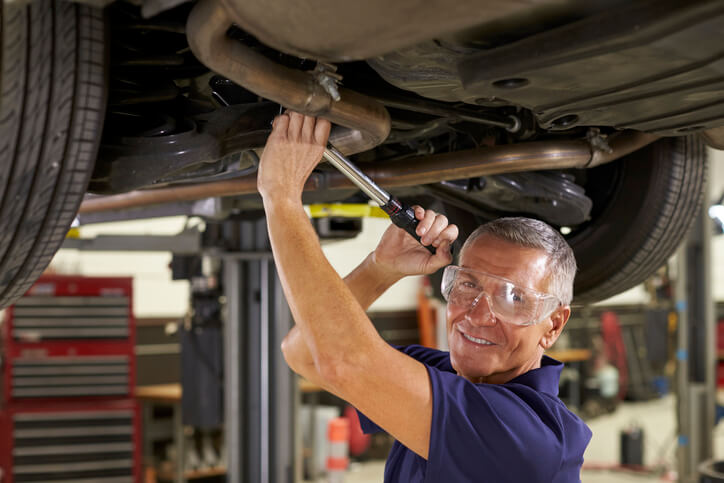
Suspension System Parts: What New Mechanics Inspect First
TL;DR
Suspension for vehicles helps maintain ride comfort, steering control, stability, and tire contact with the road. Technicians routinely inspect shocks, struts, springs, control arms, ball joints, and bushings to identify wear and safety concerns. Understanding how these components work together helps future technicians perform accurate inspections and repairs.
The performance of a vehicle’s suspension affects much more than ride comfort. It influences handling, braking, steering response, tire wear, and overall vehicle safety. Because suspension components experience constant stress from road conditions and vehicle movement, they require regular inspection and maintenance.
For students considering auto careers, learning how suspension systems operate provides a strong foundation for diagnostics and repair work.
What Parts Are in a Vehicle Suspension System?
Common suspension system parts include shocks, struts, springs, control arms, ball joints, bushings, sway bars, and various mounting components.
Each component plays a specific role in controlling vehicle movement and maintaining tire contact with the road. Springs support vehicle weight, while shocks and struts help control bouncing and body movement. Control arms, bushings, and ball joints allow the wheels to move properly while maintaining steering control.
Understanding these components helps students recognize how the suspension system in automobile applications contributes to both comfort and safety.
What Does a Suspension System Do?
A suspension system absorbs road impacts, maintains tire contact with the road surface, improves handling, and helps provide a comfortable ride.
Without a properly functioning car suspension system, every bump, pothole, and road irregularity would transfer directly to the vehicle and its occupants. More importantly, poor suspension performance can reduce steering control and braking effectiveness.
Students at our automotive school quickly learn that suspension systems serve both comfort and safety functions. A vehicle’s ability to maintain traction often depends on how effectively the suspension manages road conditions.
CAA’s guide to vehicle maintenance essentials also notes that tires are the only part of the vehicle in direct contact with the road, reinforcing why suspension and tire condition matter during inspections.
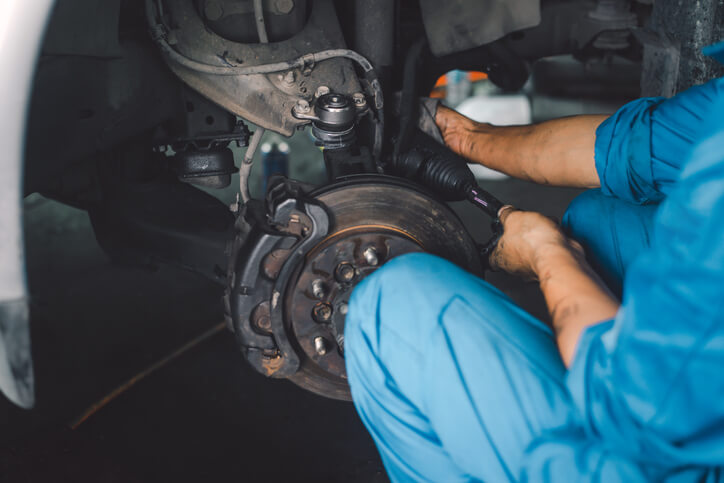
How Do Technicians Inspect Suspension Components?
Technicians inspect suspension components through visual examinations, physical testing, road tests, and measurements of component wear and movement.
During a suspension inspection, technicians may look for:
- Leaking shocks or struts
- Damaged springs
- Cracked or worn bushings
- Excessive ball joint play
- Bent control arms
- Uneven ride height
Road testing can also reveal symptoms such as excessive bouncing, pulling, poor handling, or unusual noises.
Students at our auto mechanic school learn suspension inspection techniques through hands-on training because many suspension issues become easier to identify through direct observation and experience. Regular inspections can identify worn suspension parts before they affect safety.
Can Suspension Problems Affect Tire Wear?
Yes. Suspension problems can cause uneven tire wear, reduced tire life, and poor vehicle handling.
When suspension system parts wear out, wheel alignment angles may change, or tires may lose consistent contact with the road. This can result in irregular wear patterns such as cupping, feathering, or excessive wear on one edge of the tire.
Because tire wear often provides clues about underlying vehicle issues, technicians frequently evaluate both the tires and the suspension system during inspections. Identifying suspension-related tire wear early can help prevent larger repair costs and improve overall vehicle safety.

Why Suspension For Vehicle Systems Knowledge Matters for Future Technicians
Modern vehicles rely on increasingly sophisticated suspension systems to balance comfort, handling, and safety. Whether servicing passenger vehicles, SUVs, or light trucks, technicians routinely inspect suspension components as part of maintenance and repair procedures.
For students exploring auto careers, understanding suspension fundamentals helps develop valuable diagnostic skills that apply across many areas of automotive service. As vehicles age and components wear, suspension inspections remain one of the most common tasks technicians perform.
Interested in exploring training opportunities at our auto mechanic school?
Contact ATC Montreal for more information.
Key Takeaways
- A suspension for vehicle systems supports ride comfort, handling, and safety.
- Common suspension system parts include shocks, struts, springs, control arms, ball joints, and bushings.
- A car suspension system helps maintain tire contact with the road and absorb impacts.
- Technicians inspect suspension components for leaks, wear, damage, and excessive movement.
- Suspension problems can contribute to uneven tire wear and reduced handling performance.
- Learning suspension diagnostics is an important part of preparing for auto careers.
FAQ
What Parts Are in a Vehicle Suspension System?
Common suspension system parts include shocks, struts, springs, control arms, ball joints, bushings, sway bars, and various mounting components.
What Does a Suspension System Do?
A suspension system absorbs road impacts, maintains tire contact with the road surface, improves handling, and helps provide a comfortable ride.
How Do Technicians Inspect Suspension Components?
Technicians inspect suspension components through visual examinations, physical testing, road tests, and measurements of component wear and movement.
Can Suspension Problems Affect Tire Wear?
Yes. Suspension problems can cause uneven tire wear, reduced tire life, and poor vehicle handling.