
Steering Angle Sensor Problems: Warning Lights, Calibration, and Diagnostic Clues
In Brief: Steering Angle Sensor Calibration and Warning Lights
- Steering-angle sensors report steering input to vehicle control systems.
- Sensor faults or incorrect calibration may trigger stability or steering warnings.
- Calibration may be required after certain repairs, depending on the vehicle.
- A reset cannot repair damaged wiring or a failed sensor.
- Technicians verify the fault before attempting calibration or replacing parts.
A stability control warning appears on the dashboard, but the vehicle seems to steer normally. Could the steering-angle sensor be responsible?
It’s one possibility. Modern vehicles use steering-angle information to understand the driver’s intended direction, and inaccurate readings can affect systems that rely on that information. On some vehicles, steering-angle calibration may be required after specified steering, suspension, or alignment procedures. Other times, the problem involves wiring, sensor failure, or another part of the vehicle’s control system.
Understanding steering angle sensor calibration helps future technicians distinguish between a sensor that needs recalibration and a fault that requires further diagnosis.
What Does a Steering-Angle Sensor Do?
A steering-angle sensor measures the position and movement of the steering wheel, providing information that vehicle control systems use to interpret driver input. Electronic stability control, for example, compares the driver’s intended direction with information about the vehicle’s actual movement. When those readings disagree, the system may intervene to help maintain stability.
But accurate information depends on more than a working sensor. The system also needs to recognize the correct straight-ahead steering position. That’s where calibration becomes important.
What Are the Symptoms of a Bad Steering-Angle Sensor?
Common steering angle sensor symptoms include stability control warnings, traction control warnings, and, on some vehicles, steering-related warning messages. However, these symptoms don’t automatically confirm a faulty sensor. Similar warnings can result from wheel-speed sensor problems, wiring faults, or other control-system issues.
A technician might also notice that the steering-angle reading doesn’t match the steering wheel’s actual position. For example, the scan tool could show an unexpected angle when the wheels are correctly positioned straight ahead. That discrepancy is a useful diagnostic clue, but it still needs investigation.

When Does a Steering-Angle Sensor Need Calibration?
Steering angle sensor calibration may be required after certain steering, suspension, or wheel-alignment repairs. The exact requirements depend on the vehicle manufacturer and model. Calibration may also be necessary after replacing a steering-angle sensor or certain related control components.
The reason is straightforward: the control system needs an accurate reference for the steering wheel’s straight-ahead position. For example, a technician may complete a wheel alignment and then find that the vehicle requires a steering-angle calibration procedure. The mechanical alignment and electronic reference must agree for the relevant systems to operate as intended.
Toyota’s guidance on zero-point calibration illustrates why technicians must consult vehicle-specific repair instructions after alignment and related repairs. Calibration should never be treated as a universal requirement after every repair. The manufacturer’s service information determines when it is needed.
How Do Technicians Diagnose Steering-Angle Sensor Problems?
Manufacturer terminology varies; a “reset” may involve initialization, neutral-point memorization, or zero-point calibration depending on the vehicle. Before attempting a steering angle sensor reset, technicians need to establish what the vehicle is reporting and whether the problem is mechanical, electrical, or related to calibration.
A typical diagnostic approach includes:
- Read diagnostic trouble codes: Use a compatible scan tool to retrieve codes from the relevant stability control or steering modules.
- Check live sensor data: Compare the reported steering angle with the actual steering-wheel position and movement.
- Inspect related components: Check steering alignment, wiring, connectors, and other relevant inputs when indicated.
- Review service information: Determine whether the vehicle requires calibration, component testing, or another repair.
- Verify the result: Confirm the relevant readings and fault status after completing the prescribed procedure.
A steering angle sensor code identifies an area that needs investigation, not necessarily a component that must be replaced.
For students attending our auto mechanic school, this distinction is important. Accurate diagnosis means understanding the evidence before choosing a repair.
How Do Technicians Reset or Calibrate a Steering-Angle Sensor?
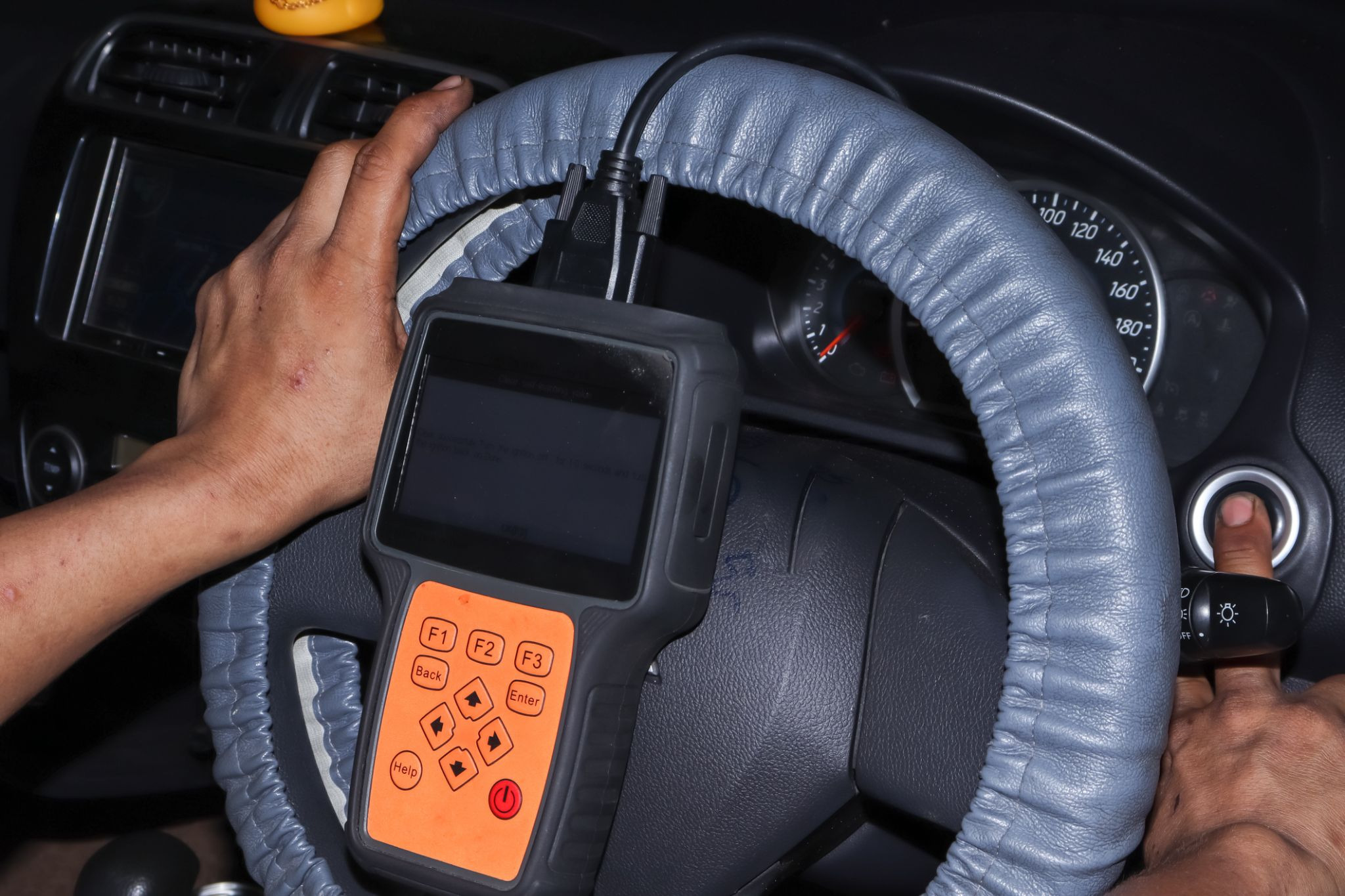
Technicians reset or calibrate a steering-angle sensor using the procedure specified by the vehicle manufacturer. Depending on the vehicle, this may involve a compatible diagnostic scan tool, a prescribed steering movement, or a specific driving procedure.
Before calibration, technicians may need to confirm that the wheels and steering wheel are correctly centred and that any relevant mechanical faults have been addressed. Once the procedure is complete, they check the calibration status, review live data, and verify that relevant diagnostic trouble codes have been resolved.
A reset is not a substitute for repairing damaged wiring, an incorrectly centred steering system, or a failed sensor. This relationship between mechanical repairs and electronic diagnosis is an important part of modern automotive training.
Why Do Steering-Angle Sensor Skills Matter for Future Technicians?
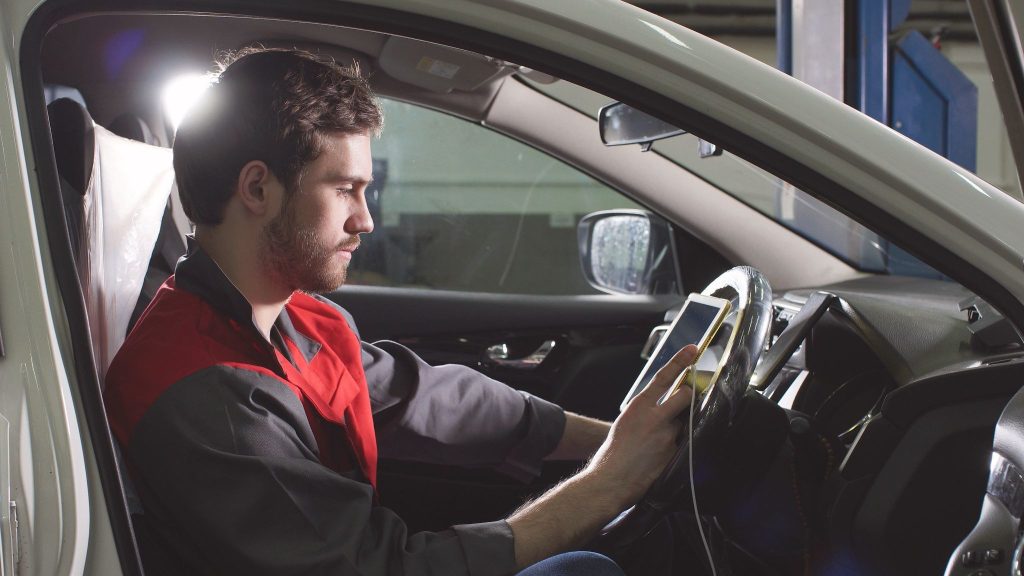
Steering-angle sensor faults show how closely mechanical and electronic systems work together. A vehicle may need both an alignment check and a scan-tool assessment before a technician can identify the cause of a warning. Understanding those connections helps students prepare for the diagnostic work involved in today’s auto careers.
At Automotive Training Centre Toronto, students interested in automotive service can explore training that introduces the systems and troubleshooting principles used in vehicle maintenance and repair.
Are you looking for comprehensive automotive training?
Contact ATC Toronto for more information.
Key Takeaways
- Steering-angle sensors provide information used by vehicle stability and steering-related systems.
- Warning lights alone cannot confirm a faulty steering-angle sensor.
- Calibration requirements depend on the vehicle and the repairs performed.
- Scan-tool readings, diagnostic codes, and mechanical checks help technicians identify faults.
- A calibration procedure cannot correct every steering-angle sensor problem.
FAQ
What Does a Steering-Angle Sensor Do?
A steering-angle sensor measures steering-wheel position and movement. Vehicle control systems use this information to interpret driver input and support functions such as electronic stability control.
What Are the Symptoms of a Bad Steering-Angle Sensor?
Possible symptoms include stability control, traction control, or steering-related warnings. However, these warnings can have other causes, so technicians must confirm the fault through diagnosis.
When Does a Steering-Angle Sensor Need Calibration?
Calibration may be required after certain wheel-alignment, steering, suspension, or sensor replacement procedures. Requirements vary by vehicle, so technicians must consult manufacturer service information.
How Do Technicians Reset or Calibrate a Steering-Angle Sensor?
Technicians follow the manufacturer’s procedure, which may require a diagnostic scan tool or specific steering and driving steps. They then verify the sensor readings, calibration status, and relevant fault codes.


