
Start-Stop System Problems: Why Battery Sensors and Software Matter More Than People Think
TL;DR
Start-stop system problems are often caused by more than just a weak battery. Modern systems rely on the intelligent battery sensor, correct battery registration, and software logic to determine when the system can operate. Technicians must diagnose the entire system, not just the battery.
Start-stop systems are designed to improve fuel efficiency by shutting off the engine when the vehicle is stopped and restarting it when needed. On the surface, the system seems simple. In reality, it is one of the most condition-dependent features in modern vehicle electrical systems.
When drivers report that the system “stopped working,” the cause is rarely a single failed component. Instead, it often involves a combination of sensor inputs, battery condition, and software logic. For students entering the trade through our auto mechanic school in Surrey, understanding these systems is key to accurate diagnostics for start-stop system problems.
Why Does a Start-Stop System Stop Working?
Start-stop systems only operate when specific conditions are met.
If even one condition falls outside the required range, the system will disable itself. This is why many drivers assume something is broken when the system is actually responding normally.
Common conditions include:
- Battery charge level
- Engine temperature
- Cabin climate demands
- Electrical system load
When any of these factors are not within acceptable limits, the system will not activate.
This makes start-stop fault diagnosis more complex than it appears. The system is designed not to operate under many everyday conditions as per modern vehicle electrical system standards and safety requirements.
What Is an Intelligent Battery Sensor?
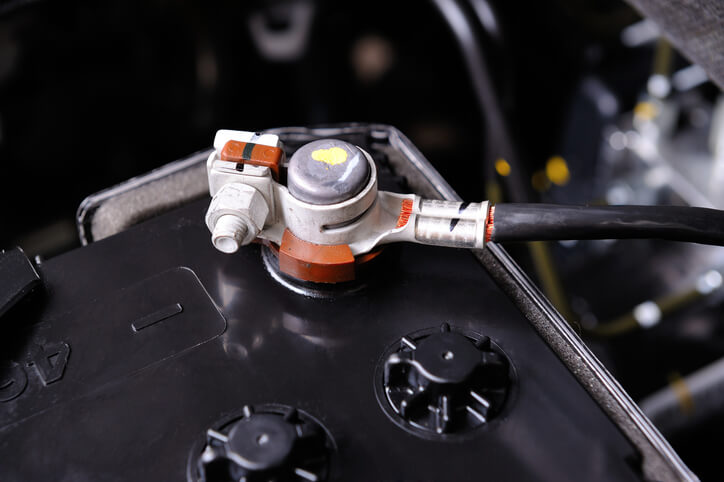
The intelligent battery sensor (IBS) plays a central role in start-stop operation.
Mounted on the battery terminal, this sensor monitors:
- Battery voltage
- Current flow
- State of charge
- Battery health over time
This data is sent to the vehicle’s control module, which decides whether the battery can support a restart. If the system determines that restarting the engine could strain the battery, it disables start-stop functionality.
This is why even a battery that seems “fine” can still prevent the system from working. Students in our Automotive Service Technician Foundation program learn how to interpret this data as part of electrical diagnostics.
Does Battery Replacement Affect Start-Stop Operation?
Yes, and this is one of the most overlooked causes of start-stop system problems.
Modern vehicles require battery replacement to be more than just a physical swap. The system must recognize the new battery and adjust its charging strategy accordingly.
If a new battery is installed without proper setup, the system may continue to operate as if the old battery is still in place.
This can lead to:
- Disabled start-stop function
- Incorrect charging behaviour
- Reduced battery lifespan
What Is Battery Registration?
Battery registration is the process of informing the vehicle’s control system that a new battery has been installed.
This allows the system to reset learned values and apply the correct charging parameters for the new battery.
Without registration, the vehicle may:
- Undercharge or overcharge the battery
- Misinterpret battery health
- Disable start-stop operation
This step is essential in modern vehicle electrical systems, yet it is often missed outside of proper diagnostic procedures.
Students in our auto mechanic course are trained to include battery registration as part of standard service.
Why Software Logic Matters in Start-Stop Systems
Unlike older systems, start-stop operation is heavily controlled by software. The vehicle continuously evaluates data from multiple sensors and modules before deciding whether to activate the system.
This includes:
- Battery sensor data
- Engine and transmission status
- Climate control demands
- Driver inputs
Because of this, some start-stop system problems are not caused by hardware failure at all; they are the result of system logic responding to conditions. This is why scan tools and data interpretation are critical for accurate diagnosis.
Are Software-Based Faults Part of Modern Mechanical Training?
Yes. As vehicles become more advanced, software plays a larger role in diagnostics.
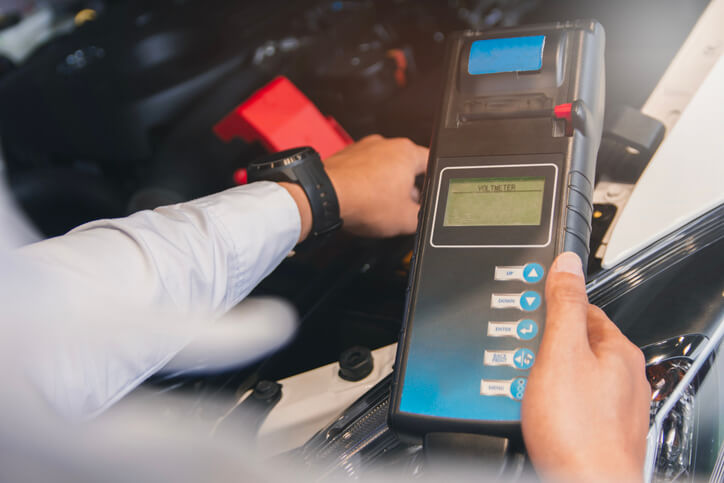
Technicians must now understand how systems communicate and how control modules make decisions based on sensor input.
This shift means that start-stop fault diagnosis is no longer just about checking components; it’s about understanding system behaviour. Training programs now integrate:
- Scan tool usage
- Data analysis
- System logic interpretation
This prepares students for real-world scenarios where multiple systems interact.
Why Knowledge of Start-Stop System Problems Matters for Future Technicians
Start-stop systems are now common across many vehicle platforms. As a result, complaints related to their operation are frequent. Understanding how these systems work helps technicians:
- Avoid unnecessary battery replacements
- Identify sensor or software-related issues
- Diagnose problems more efficiently
For those building long-term careers in automotive service, this knowledge reflects the growing importance of electrical and electronic systems.
Would you like to explore training options at our auto mechanic school in Surrey?
Contact ATC Surrey for more information.
Key Takeaways
- Start-stop system problems are often caused by system conditions, not just battery failure.
- The intelligent battery sensor plays a key role in system operation.
- Battery replacement requires proper registration to function correctly.
- Software logic determines when the system activates or shuts off.
- Modern diagnostics require understanding both hardware and system behaviour.
FAQ
Why does a start-stop system stop working?
It may stop working if conditions such as battery charge, temperature, or electrical load are not within required limits.
Does battery replacement affect start-stop operation?
Yes. Without proper battery registration, the system may not function correctly.
What is a battery sensor in a modern vehicle?
An intelligent battery sensor monitors battery health, charge, and performance to support system decisions.
What is battery registration?
It is the process of informing the vehicle’s control system that a new battery has been installed so it can adjust charging and monitoring.
Are software-based faults part of mechanical training now?
Yes. Modern training includes system diagnostics, scan data analysis, and understanding software-controlled systems.