
Shocks vs Struts: What New Automotive Technicians Need to Know
TL;DR: Shocks vs Struts: A Quick Guide
Understanding shocks vs struts is essential for anyone learning automotive repair. While both help control ride quality and vehicle handling, they serve different purposes and are built differently. Learning how to identify wear and diagnose suspension problems is an important part of an Automotive Service Technician Foundation program.
A comfortable ride depends on much more than good tires. Every time a vehicle travels over bumps, turns a corner, or comes to a stop, the suspension works to keep the tires in contact with the road and the vehicle stable.
That’s why future technicians need to understand shocks vs struts. Although the terms are often used interchangeably, they perform different functions, and knowing the difference is essential when inspecting or repairing suspension systems.
Shocks vs Struts: What Is the Difference Between Shocks and Struts?
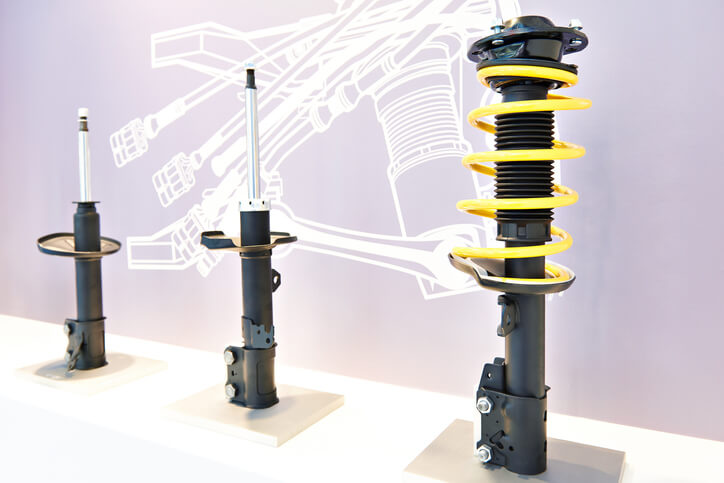
Shock absorbers reduce bouncing by controlling suspension movement, while struts combine that damping function with structural support for the suspension and steering system.
Common questions asked are “What is a Strut?” or, “What are automobile struts?” A strut is a major suspension component that supports vehicle weight, helps maintain wheel alignment, and serves as a mounting point for other suspension parts.
Shock absorbers, on the other hand, are designed primarily to dampen suspension movement. They do not provide structural support like struts. Understanding the difference between struts and shocks helps technicians recommend the correct repairs and avoid replacing the wrong components. Suspension inspections help technicians identify worn steering and ride-control components.
Are Shocks and Struts the Same Thing?
No. Although both help improve ride comfort and vehicle stability, they have different designs and responsibilities within the suspension system.
When discussing what automobile struts are, it’s important to remember that struts are integrated into the suspension assembly and directly influence steering geometry. Shock absorbers simply attach to the suspension to reduce unwanted movement.
Some vehicles use struts on the front suspension and shocks at the rear, while others may use different suspension designs depending on the manufacturer.
How Do You Know If Struts Are Bad?
Common warning signs include excessive bouncing, uneven tire wear, nose-diving during braking, poor handling, fluid leaks, and unusual suspension noises.
Technicians inspect for:
- Oil leakage
- Damaged mounts
- Broken coil springs (where applicable)
- Uneven tire wear
- Excessive suspension movement
- Worn bushings
Because many suspension problems produce similar symptoms, technicians inspect the entire system before diagnosing the cause.

When Should Shocks and Struts Be Replaced?
Replacement depends on vehicle condition, manufacturer recommendations, driving habits, and inspection results rather than mileage alone. During an auto mechanic course, students learn that suspension components should always be inspected for wear whenever steering, handling, or tire wear concerns are reported.
Hands-on training in an Automotive Service Technician Foundation program teaches future technicians how to perform systematic inspections, recognize failure patterns, and explain repair recommendations clearly to customers.
Students at our auto mechanic school in Surrey also gain experience identifying the difference between struts and shocks while working on real suspension systems.
Building Strong Suspension Diagnostic Skills
Successful suspension diagnosis involves more than recognizing worn parts. Technicians need to understand how every component affects steering, handling, tire wear, and vehicle safety.
By combining classroom instruction with practical experience, students develop the confidence to inspect suspension systems accurately and recommend repairs based on evidence rather than guesswork.
Are you looking for a comprehensive auto mechanic course?
Contact ATC Surrey for more information.
Key Takeaways
- Understanding shocks vs struts is essential for suspension diagnosis.
- Shock absorbers control suspension movement, while struts also provide structural support.
- Common signs of worn struts include leaks, excessive bouncing, poor handling, and uneven tire wear.
- Technicians inspect the complete suspension system before recommending repairs.
- An Automotive Service Technician Foundation program provides practical experience in diagnosing steering and suspension problems.
FAQ
What Is the Difference Between Shocks and Struts?
Shock absorbers reduce suspension movement, while struts perform the same function while also supporting the suspension and steering assembly.
Are Shocks and Struts the Same Thing?
No. They perform similar ride-control functions but have different designs and structural responsibilities.
How Do You Know If Struts Are Bad?
Common signs include fluid leaks, excessive bouncing, poor handling, uneven tire wear, suspension noise, and nose-diving during braking.
When Should Shocks and Struts Be Replaced?
They should be replaced when inspections reveal excessive wear, leakage, damage, or performance issues, following manufacturer recommendations.