Serpentine Belt Problems: Squealing, Cracks, and What Techs Inspect First
TL;DR
What is a serpentine belt? A serpentine belt is a long drive belt that powers several engine accessories, including the alternator, air conditioning compressor, power steering pump, and sometimes the water pump. When it wears out, technicians may hear squealing, see cracks, or notice performance issues with the accessories. Proper inspection helps prevent breakdowns and repeat repairs.
A squealing noise under the hood can sound minor at first, but for technicians, it is often a sign to inspect the belt drive system.
What is a serpentine belt? The serpentine belt may look like a simple rubber belt, but it plays a major role in powering several vehicle systems. When it slips, cracks, stretches, or breaks, the effects can show up quickly through weak charging, poor air conditioning, heavy steering, or overheating.
That is why auto mechanic students learn to treat belt inspection as more than a glance. A worn belt can be the first clue in a much larger diagnostic picture.
What Is a Serpentine Belt?
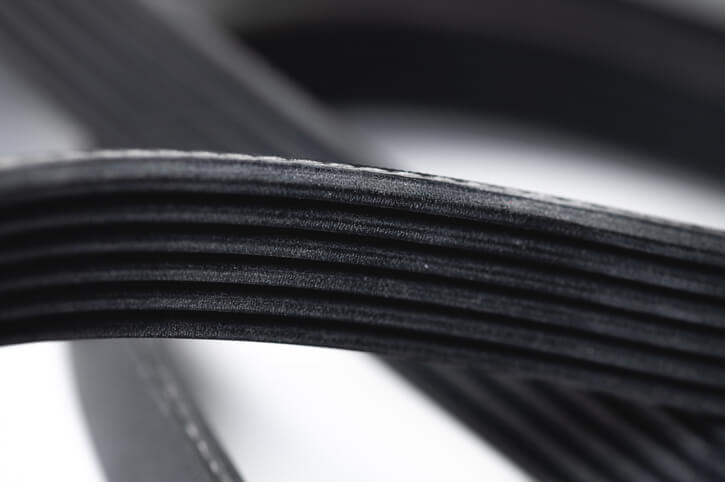
A serpentine belt is a single continuous belt that runs around multiple pulleys at the front of the engine. It gets its name from the way it “snakes” through the accessory drive system.
In older vehicles, several separate belts often powered different accessories. In many modern vehicles, one serpentine belt handles most of that work.
So, what is a serpentine belt, and what does it do? In simple terms, it transfers engine rotation to accessories that need mechanical power to operate.
If the belt is in good condition, those accessories work smoothly. If the belt slips or fails, several systems can be affected at once.
What Does a Serpentine Belt Do?
The answer to “What does a serpentine belt do?” depends on the vehicle design, but the main job is always power transfer.
As the crankshaft turns, the serpentine belt drives accessories such as the alternator, air conditioning compressor, and power steering pump. In some engines, it may also help drive the water pump. This matters because the belt does not just support comfort features. It can affect charging, steering feel, cooling, and overall reliability.
According to NAPA Canada, belts and hoses should be inspected regularly because wear, cracking, and deterioration can lead to breakdowns. For graduates of an Automotive Service Technician Foundation program, this makes belt inspection an important part of preventive maintenance.
What Does the Serpentine Belt Control?
When drivers ask, “What does the serpentine belt control?”, technicians usually explain that the belt does not “control” these systems electronically. Instead, it physically drives the components that allow them to work.
Depending on the vehicle, the serpentine belt may drive:
- The alternator
- The air conditioning compressor
- The power steering pump
- The water pump on some engines
This is why one belt can create several symptoms. A slipping belt may cause a battery warning light if the alternator is not spinning properly. It may also reduce air conditioning performance or create steering complaints.
Students in ATC’s auto mechanic school in Surrey program explore how to connect these symptoms instead of treating each one as a separate failure.
What Serpentine Belt Symptoms Do Techs Inspect First?
Technicians usually begin with the most obvious clues: noise, visible damage, and accessory performance.
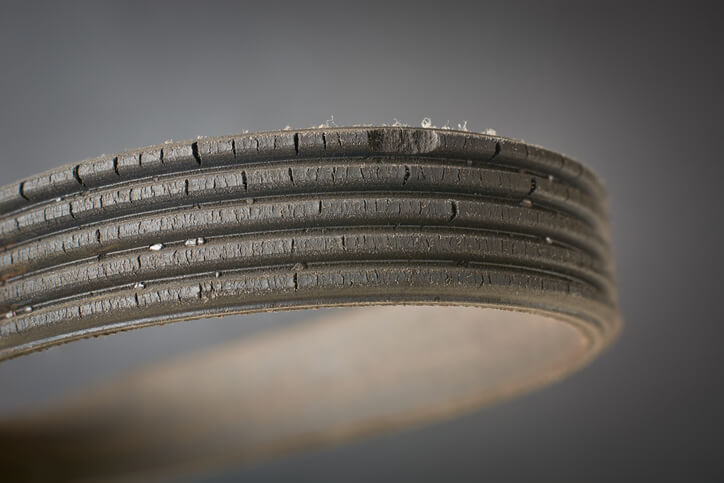
A high-pitched squeal often points to slipping, misalignment, contamination, or tension problems. Cracks across the ribs may indicate ageing. Glazing can make the belt surface shiny and reduce grip. Fraying along the edges may suggest pulley misalignment.
Belt inspection also includes checking the tensioner and pulleys. A new belt may fail early if the tensioner is weak or a pulley is wobbly. That is why technicians inspect the entire belt drive system, not just the belt itself.
When Should You Replace a Serpentine Belt?
The answer to “When should you replace a serpentine belt?” depends on mileage, condition, and manufacturer recommendations.
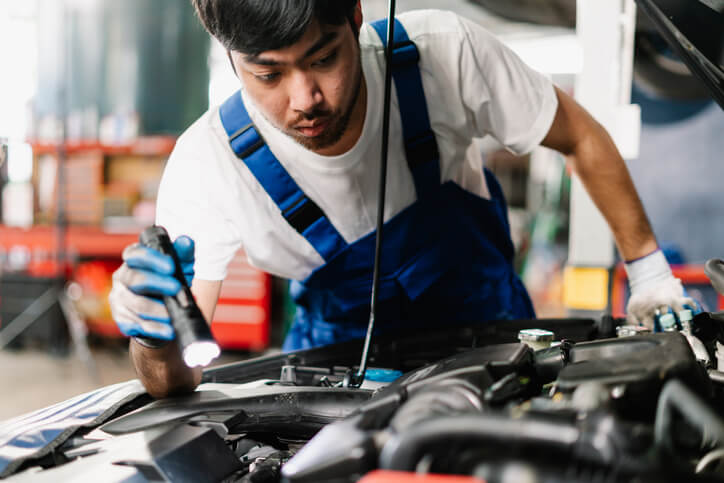
Many belts last for several years, but technicians do not rely on age alone. They inspect for cracking, missing ribs, glazing, fraying, contamination, and noise. If the belt shows wear or the tensioner cannot maintain proper tension, replacement is usually recommended.
Customers may also ask, “When do you change a serpentine belt?” or “When to replace a serpentine belt?” if no symptoms are present. In that case, technicians follow the service schedule and inspect the belt during routine maintenance.
Replacing a belt before it breaks is usually much easier than dealing with a no-charge condition, overheating complaint, or roadside breakdown.
Why Belt Inspection Matters in Repair Work
A serpentine belt problem can imitate other failures. A battery warning light may look like an alternator issue. Heavy steering may seem like a power steering problem. Poor air conditioning may appear to be an A/C system fault.
That is why technicians inspect the belt before jumping to conclusions.
A strong diagnostic process starts with simple checks: belt condition, belt routing, pulley alignment, tensioner movement, and accessory operation. Students taking an Auto mechanic course build these habits early because they help prevent missed causes and unnecessary parts replacement.
Why Serpentine Belt Knowledge Matters for New Technicians
Serpentine belts may not seem as advanced as hybrid systems or computer diagnostics, but they teach an important lesson: small components can affect major systems.
A technician who understands belt drive operation can diagnose symptoms faster, explain repairs more clearly, and avoid replacing parts that are not actually faulty.
For new techs, learning to inspect the serpentine belt is one of those practical shop skills that show up again and again.
Are you ready to begin an auto mechanic course?
Contact ATC Surrey for more information.
Key Takeaways
- A serpentine belt powers several engine accessories.
- Squealing, cracking, glazing, and fraying can point to belt wear.
- Belt problems may affect charging, steering, cooling, or air conditioning.
- Technicians inspect pulleys and tensioners along with the belt.
- Replacing a worn belt early can prevent bigger repair issues.
FAQ
What is a serpentine belt?
A serpentine belt is a long, continuous drive belt that runs around multiple pulleys at the front of the engine. It transfers engine rotation to accessory components.
What does a serpentine belt do?
A serpentine belt powers engine accessories such as the alternator, air conditioning compressor, power steering pump, and sometimes the water pump.
When should you replace a serpentine belt?
A serpentine belt should be replaced when it shows cracks, glazing, fraying, missing ribs, slipping, squealing, or when the manufacturer’s service schedule recommends replacement.
What does the serpentine belt control?
The serpentine belt mechanically drives accessory systems. Depending on the vehicle, this may include charging, air conditioning, power steering, and engine cooling components.