Secure Gateway Modules: Why Some Scan Tools Get Blocked (and What Technicians Do Next)
TL;DR
Secure gateway modules diagnostics, limit scan tool access on many modern vehicles. Technicians must authenticate, follow manufacturer procedures, and adapt their diagnostic workflow to safely and legally access vehicle systems.
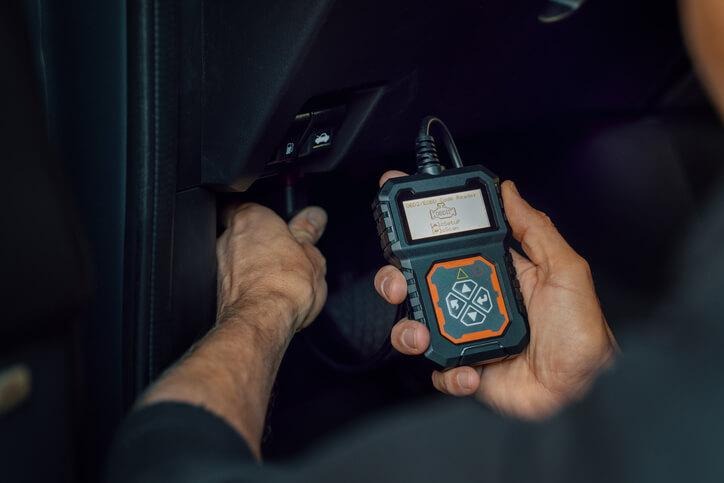
Plugging in a scan tool used to be straightforward. Connect, communicate, diagnose. But on many newer vehicles, that familiar process now hits a wall. The scan tool connects, but access is restricted, functions are blocked, and fault data may be limited or unavailable. This is the reality of secure gateway module diagnostics, and it’s changing how technicians approach modern repairs.
Secure gateway modules are designed to protect vehicle networks from unauthorized access. While they improve cybersecurity, they also introduce new steps, new tools, and new expectations for technicians. Understanding how these systems work and what to do when access is blocked is now a core diagnostic skill.
What Are Secure Gateway Modules Diagnostics and Why Do Manufacturers Use Them?
A secure gateway module acts as a digital gatekeeper between a vehicle’s external diagnostic port and its internal networks. Manufacturers use these modules to prevent unauthorized access that could lead to data theft, malicious control, or system manipulation.
As vehicles become more connected, cybersecurity has become a safety issue, not just a data concern. According to the NHTSA, protecting vehicle networks is essential to preventing remote interference and safeguarding driver safety. Secure gateways are one way manufacturers enforce that protection.
Which Diagnostic Functions Can be Restricted?
Restricted diagnostic access often affects more than just advanced coding. Technicians may be blocked from clearing fault codes, performing bidirectional controls, recalibrating systems, or accessing live data from certain modules.
In some cases, basic read-only access is allowed, while deeper functions require authentication. This selective access means technicians must understand not only what is blocked, but why, and whether additional steps are required.
What Does Authentication or Registration Typically Involve?
Authentication usually requires technician or shop registration through a manufacturer-approved portal. This may include identity verification, subscription fees, secure credentials, and time-limited access tokens.
Once authenticated, the scan tool can communicate fully with protected systems. While this adds complexity, it also ensures accountability and traceability, key goals of modern automotive cybersecurity standards promoted by SAE International.

How Does This Impact Independent Shops and New Technicians?
For independent shops, secure gateway modules mean added costs, training requirements, and workflow adjustments. For new technicians, it changes what “diagnostics” really means.
Rather than relying solely on tool capability, technicians must understand access protocols, manufacturer systems, and legal requirements. Training through an auto mechanic school now includes discussions about authentication, subscriptions, and cybersecurity awareness, not just fault tracing.
What Should Students Learn Now That Diagnostics Can Be Access-Restricted?
Students entering the field should learn to expect restrictions, not view them as failures. Knowing how to confirm access limitations, research manufacturer requirements, and choose appropriate next steps is critical.
Programs focused on auto mechanic training emphasize diagnostic logic over tool dependency. This prepares students to adapt as vehicle technology evolves, whether they plan to become a mechanic in a dealership or an independent setting.

Why Secure Gateway Modules Redefine Modern Diagnostics
Secure gateway modules don’t eliminate diagnostics; they redefine them. Today’s technicians must combine technical skill with procedural knowledge, cybersecurity awareness, and documentation discipline.
As vehicles continue to integrate digital security measures, the ability to work within these systems will define professional competence. Those who adapt early will be better positioned for long-term success in modern repair environments.
Would you like to become a mechanic?
Contact ATC Cambridge for more information.
Key Takeaways
- Secure gateway modules restrict diagnostic access to protect vehicle networks
- Scan tool access may be limited without authentication or registration
- Restricted diagnostic access affects independent shops and new technicians
- Modern diagnostics require cybersecurity awareness and procedural knowledge
- Training programs now reflect access-controlled diagnostic realities
FAQ: Secure Gateway Modules and Diagnostics
What are secure gateway module diagnostics, and why do manufacturers use them?
A secure gateway module acts as a digital gatekeeper between a vehicle’s external diagnostic port and its internal networks.
Which diagnostic functions can be restricted?
Restricted diagnostic access often affects more than just advanced coding. Technicians may be blocked from clearing fault codes, performing bidirectional controls, recalibrating systems, or accessing live data from certain modules.
What does authentication or registration typically involve?
Authentication usually requires technician or shop registration through a manufacturer-approved portal.
How does this impact independent shops and new technicians?
For independent shops, secure gateway modules mean added costs, training requirements, and workflow adjustments. For new technicians, it changes what “diagnostics” really means.
What should students learn now that diagnostics can be access-restricted?
Students entering the field should learn to expect restrictions, not view them as failures. Knowing how to confirm access limitations, research manufacturer requirements, and choose appropriate next steps is critical.