Quebec Vehicle Inspections: When an SAAQ Mechanical Inspection Is Required
In Brief: When a Car Inspection Report is Needed
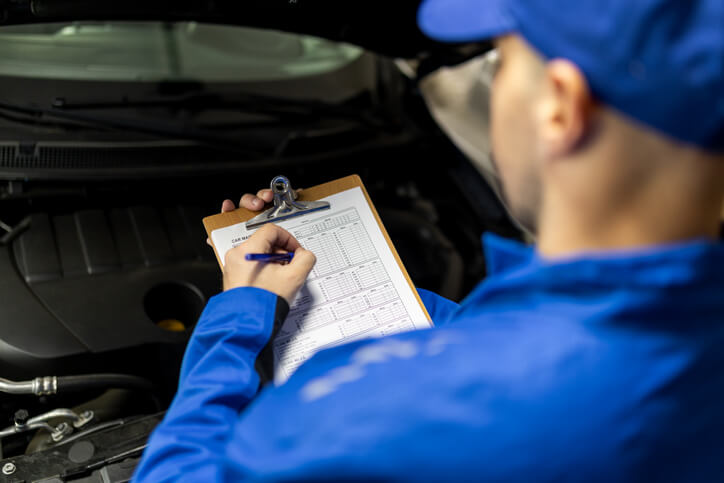
A car inspection report documents the condition of a vehicle’s major safety-related systems, including brakes, steering, suspension, tires, lighting, and structural components. In Quebec, certain vehicles must undergo an SAAQ mechanical inspection before they can legally return to the road or be registered. For future technicians, understanding inspection standards builds valuable diagnostic skills that support safe, accurate repairs.
Vehicle inspections are about much more than checking boxes on a form. They help identify safety concerns, verify that critical systems meet regulatory requirements, and ensure vehicles remain roadworthy.
In Quebec, certain vehicles must undergo an SAAQ mechanical inspection under specific circumstances. While not every vehicle requires one, understanding how these inspections work is valuable for anyone considering a career in automotive service. Students attending auto mechanic school learn that successful technicians don’t simply repair vehicles—they also know how to evaluate them against recognized safety standards.
When Is an SAAQ Mechanical Inspection Required?
An SAAQ mechanical inspection is generally required only in specific situations established by Quebec regulations. Depending on the vehicle and its history, inspections may be necessary before registration or after certain events.
Examples include:
- Some rebuilt vehicles
- Certain vehicles returning to service after being declared unfit
- Some vehicles entering Quebec from another jurisdiction
- Specific commercial or heavily regulated vehicle categories
Because inspection requirements vary depending on the vehicle’s circumstances, technicians rely on current SAAQ regulations rather than assumptions when determining whether an inspection is required.
What Does a Car Inspection Consist Of?
Many people ask, what does a car inspection consist of? While the exact checklist depends on the inspection type, technicians carefully evaluate numerous safety-related systems.
A typical inspection may include:
- Steering components
- Suspension systems
- Tires and wheels
- Brake inspections
- Lighting and electrical systems
- Windshield and visibility equipment
- Exhaust system
- Structural integrity
- Safety equipment
Rather than focusing on appearance alone, inspectors verify that each system operates safely and complies with applicable standards.
Why the Car Inspection Report Matters
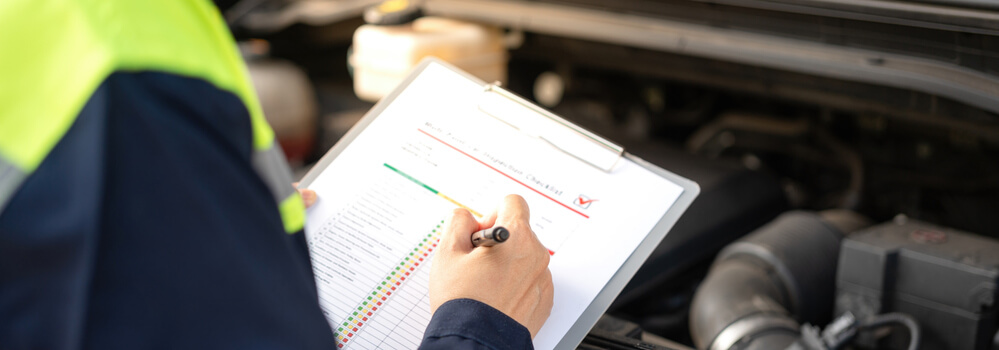
Following the inspection, findings are documented in a car inspection report. This report records the condition of inspected components and identifies any deficiencies that require correction.
So, what is a vehicle inspection report? It is an official record that communicates whether the inspected vehicle meets the applicable inspection requirements and identifies any repairs needed before approval.
For technicians, preparing accurate documentation is just as important as performing the inspection itself. Clear records help owners understand repair recommendations while supporting regulatory compliance.
Brake Inspections Play a Critical Role
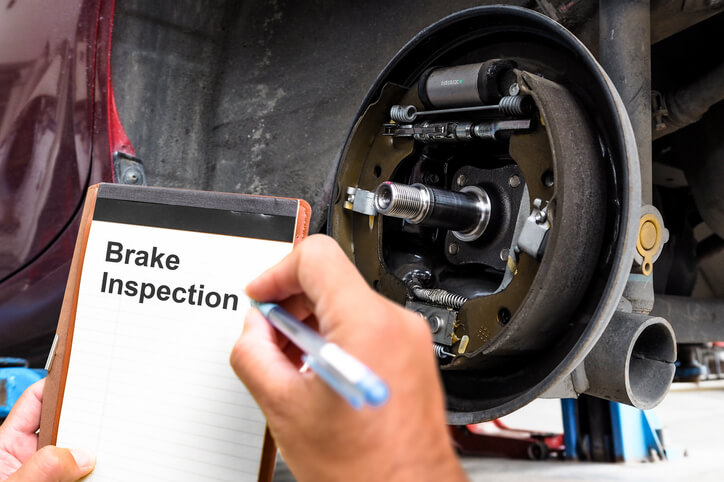
Among all inspected systems, brake inspections receive particular attention because braking performance directly affects vehicle safety.
Technicians evaluate components such as:
- Brake pads and shoes
- Rotors and drums
- Hydraulic lines
- Brake hoses
- Calipers
- Parking brake operation
- Brake fluid condition
Even if a vehicle appears to drive normally, worn or damaged braking components may prevent it from passing inspections until repairs have been completed.
Learning to evaluate brake systems thoroughly is a core part of professional automotive school training.
Inspections Build Strong Diagnostic Skills
Mechanical inspections involve far more than visual observations. Technicians combine manufacturer specifications, regulatory standards, and practical experience to determine whether components remain safe for continued use.
This process strengthens skills that are valuable throughout an automotive career, including:
- Careful observation
- Systematic diagnosis
- Accurate documentation
- Professional communication
- Attention to detail
Students entering auto careers quickly discover that inspection techniques often help identify problems before they become major mechanical failures.
Preparing for a Career in Automotive Service
As modern vehicles become more advanced, technicians need both mechanical knowledge and the ability to perform structured inspections using established procedures.
Hands-on auto mechanic school programs teach students how to inspect safety systems, interpret service information, and document findings accurately. These practical skills prepare graduates to work confidently with customers while supporting vehicle safety and regulatory compliance throughout their automotive careers.
Would you like to explore a wide range of auto careers?
Contact ATC Montreal for more information.
Key Takeaways
- A car inspection report documents the condition of important vehicle safety systems.
- Certain vehicles in Quebec require an SAAQ mechanical inspection under specific regulatory circumstances.
- Brake inspections are a key part of evaluating whether a vehicle is safe to operate.
- Understanding what a car inspection consists of helps future technicians develop strong diagnostic and inspection skills.
- Professional automotive school training prepares students to perform systematic inspections, accurate documentation, and quality repairs.
FAQ
When is an SAAQ mechanical inspection required?
Certain vehicles, such as some rebuilt vehicles, vehicles returning to service, or vehicles entering Quebec under specific circumstances, may require an SAAQ mechanical inspection. Requirements vary depending on the vehicle and applicable regulations.
What does an SAAQ mechanical inspection check?
An inspection may include brakes, steering, suspension, tires, lighting, structural components, visibility equipment, and other safety-related systems.
How long is an SAAQ mechanical inspection valid?
The validity of an inspection depends on the vehicle type and the circumstances under which the inspection was required. Vehicle owners should consult current SAAQ requirements for specific situations.
What happens if a vehicle fails an SAAQ inspection?
If deficiencies are identified, the required repairs must typically be completed before the vehicle can meet inspection requirements and receive approval.