How Connected Cars and Remote Diagnostics Will Change Auto Repair by 2026
TL;DR: Remote car diagnostics and connected car technology are reshaping auto repair. By 2026, technicians will rely more on telematics, wireless data, and OTA vehicle updates—without replacing hands-on inspections. The future mechanic must understand both digital systems and traditional diagnostics.
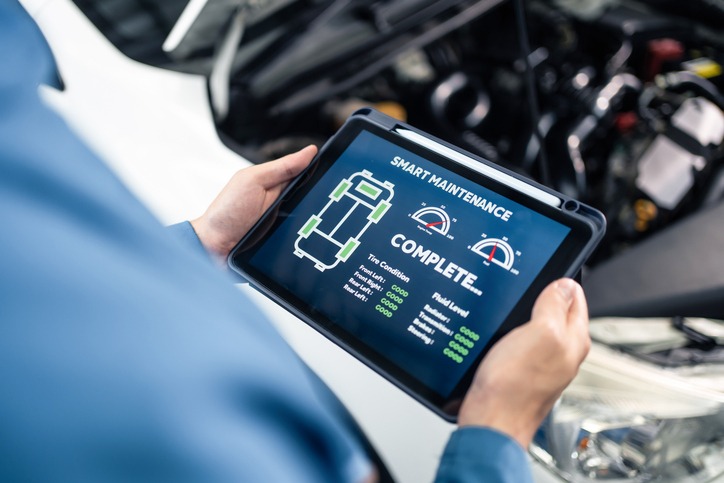
Auto repair used to start the moment a vehicle rolled into the bay. Today, it often starts earlier, sometimes while the driver is still on the road. With remote car diagnostics, modern vehicles can transmit fault data, performance trends, and system alerts long before a technician plugs in a scan tool.
By 2026, connected car technology will reshape how shops schedule work, how technicians diagnose problems, and even how certain repairs are completed. In this article, we’ll break down what remote diagnostics really means, how it’s changing everyday workflow, and what aspiring technicians should understand now if they want to stay ahead of where the industry is going.
What Is Remote Diagnostics in Cars?
Remote diagnostics allows vehicles to transmit performance and fault data through telematics systems to manufacturers, fleet operators, or repair facilities. Instead of waiting for a scan tool connection, certain data is already available in the cloud.
Modern connected car technology uses built-in sensors and communication modules to monitor systems such as engine performance, battery health, braking, and emissions. When faults occur, data can be logged and sometimes transmitted automatically.
Transport Canada recognizes connected vehicle systems as a key component of evolving vehicle safety and cybersecurity strategies.
For technicians, this means the diagnostic conversation may begin before the car even enters the shop.
How Do Connected Cars Help Mechanics Identify Problems Faster?
Through telematics in auto repair, technicians may receive fault codes, system alerts, or performance data ahead of time.
For example:
- Fleet vehicles can transmit maintenance alerts
- Hybrid and EV systems can report battery anomalies
- Drivers may receive app notifications tied to real-time data
This shortens the “symptom discovery” phase. Instead of starting with guesswork, technicians begin with stored data and known triggers.
Wireless automotive diagnostics also reduce blind testing. By reviewing trends, such as repeated voltage fluctuations or misfire patterns, mechanics can narrow down root causes more efficiently.
However, faster access to data doesn’t eliminate the need for verification. It simply refines the starting point.
What Are OTA Updates and How Do They Affect Car Repairs?
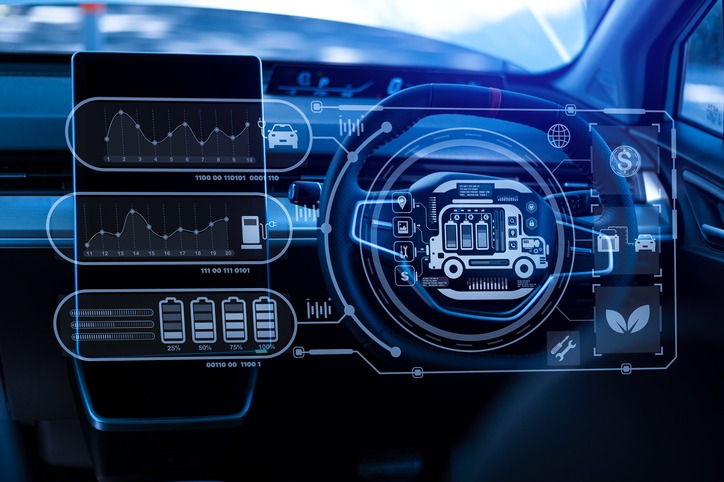
OTA vehicle updates (Over-the-Air updates) allow manufacturers to update software wirelessly, similar to smartphone updates.
These updates can:
- Adjust transmission shift logic
- Improve battery management strategies
- Patch cybersecurity vulnerabilities
- Resolve drivability complaints tied to software
The National Highway Traffic Safety Administration (NHTSA) outlines how cybersecurity and OTA processes are becoming standard in modern vehicle management.
For repair shops, this means some issues that once required physical reprogramming can now be resolved remotely. However, technicians must still confirm that updates have been applied properly and that no additional mechanical faults exist.
Connected car maintenance increasingly includes software validation, not just mechanical inspection.
Will Remote Diagnostics Replace Traditional Mechanic Inspections?
No. As we emphasize at our auto mechanic school in Surrey, remote data enhances diagnostics, but it cannot physically inspect worn components, damaged wiring, or fluid contamination.
Consider this: telematics may report a brake system alert, but only a physical inspection confirms pad thickness, rotor condition, or hardware wear.
Remote car diagnostics improves efficiency, but hands-on skill remains essential. The future technician must blend digital analysis with physical testing.
The Changing Skillset of Modern Technicians
As connected car technology becomes standard, technicians need a deeper understanding of:
- Network communication systems
- Software integration
- Wireless automotive diagnostics
- Data interpretation
- Cybersecurity awareness
Budding mechanics must recognize that today’s vehicles are data-driven machines. To stay competitive, aspiring technicians should pursue structured training that reflects these industry changes. Programs like ATC’s auto mechanic course include modules on telematics, hybrid systems, and electronic diagnostics to help equip students with all the necessary modern knowledge and skills.
Preparing for 2026 and Beyond
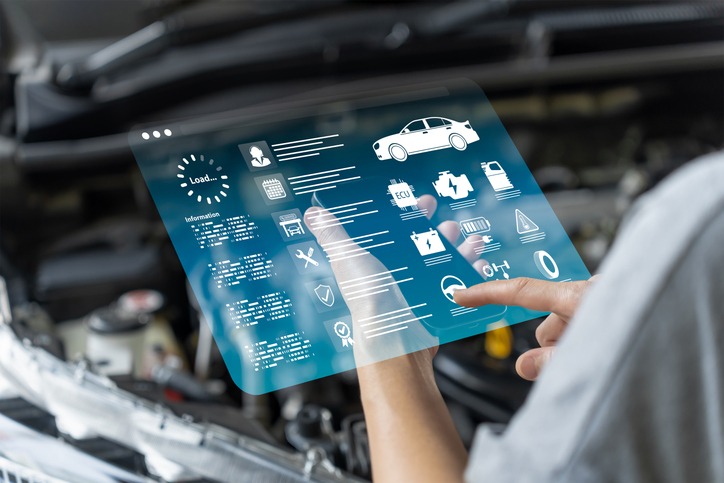
By 2026, connected vehicles will continue expanding their capabilities. Fleet operators, insurers, and manufacturers are already leveraging real-time vehicle data.
For repair professionals, the opportunity lies in adapting early:
- Understanding remote diagnostics workflows
- Interpreting OTA software changes
- Maintaining cybersecurity awareness
- Integrating digital diagnostics with mechanical best practices
The technician of the future will not replace traditional tools but will supplement them with digital insight.
Are you looking for comprehensive automotive service technician training?
Contact ATC Surrey for more information.
Key Takeaways
- Remote car diagnostics provide early access to vehicle data
- Connected car technology shortens diagnostic time
- OTA vehicle updates change how software-related repairs occur
- Telematics improves efficiency but does not replace inspections
- Modern technicians must combine digital and mechanical expertise
FAQ: Remote Diagnostics and Connected Cars
Q: What is remote diagnostics in cars?
A: Remote diagnostics allows vehicles to transmit performance and fault data through telematics systems before physical inspection.
Q: How do connected cars help mechanics identify problems faster?
A: They provide stored fault data and performance trends, reducing guesswork and narrowing diagnostic focus.
Q: What are OTA updates, and how do they affect car repairs?
A: OTA updates allow manufacturers to adjust vehicle software wirelessly, sometimes resolving issues without shop visits.
Q: Will remote diagnostics replace traditional mechanic inspections?
A: No. Physical inspections remain critical for verifying wear, mechanical damage, and system integrity.