

Quebec Studded Tire Rules: What New Mechanics Should Know Before Winter Installs
In Brief: Studded Tires in Quebec: Dates, Limits, and Checks
Studded tires in Quebec are permitted from October 15 to May 1, inclusive, on passenger vehicles, taxis, and qualifying commercial vehicles with a total loaded mass not exceeding 3,000 kg. They must be fitted at both ends of an axle, and vehicles using studded tires on the front axle must also have them on the rear axle. Studded tires are optional, but compliant winter tires are mandatory for most Quebec-registered passenger vehicles from December 1 to March 15. Mechanics must understand these distinctions alongside tire condition, fitment, and installation requirements.
Winter tire season brings a familiar rush to automotive service shops across Montreal. Drivers want their vehicles ready for icy intersections, snow-covered streets, and changing road conditions. Some request conventional winter tires, while others prefer studs for additional grip on ice. But installing studded tires in Quebec involves more than selecting a tire with metal studs.
Mechanics must understand when studded tires are permitted, which vehicles can use them, and how they must be fitted. A tire may appear suitable for winter driving but still create a compliance or safety concern if installed incorrectly. For aspiring automotive technicians, these seasonal service checks offer a practical introduction to tire regulations, vehicle inspection, and customer communication.
When Are Studded Tires Allowed in Quebec?
Quebec permits studded tires from October 15 to May 1, inclusive, each winter season.
These dates differ from the province’s mandatory winter tire period, which runs from December 1 through March 15 for most Quebec-registered passenger vehicles.
| Requirement | Permitted or mandatory period |
|---|---|
| Studded tire use | October 15–May 1, inclusive |
| Mandatory winter tires | December 1–March 15, inclusive |
The distinction matters during seasonal tire appointments. A driver may legally install studded tires in October, before winter tires become mandatory. However, continuing to use studs after May 1 is not permitted under the standard rules.
The Quebec studded tire law therefore requires technicians to consider both the installation date and the customer’s intended use.
Which Vehicles Can Legally Use Studded Tires?
Quebec’s studded tire regulations authorize their use on specific vehicle categories:
- Passenger vehicles
- Taxis and vehicles comparable to taxis
- Commercial vehicles with a total loaded mass not exceeding 3,000 kg
Not every commercial vehicle qualifies. Mechanics should verify the vehicle’s classification and applicable weight limit before confirming that studded tires are permitted.
There are also important installation requirements. Studded tires must be installed at both ends of an axle. If the front axle has studded tires, the rear axle must also have them.
For example, installing two studded tires on the front wheels while leaving conventional winter tires on the rear would not meet the regulation.
This is why technicians should never assume that a customer’s requested tire arrangement is automatically compliant.
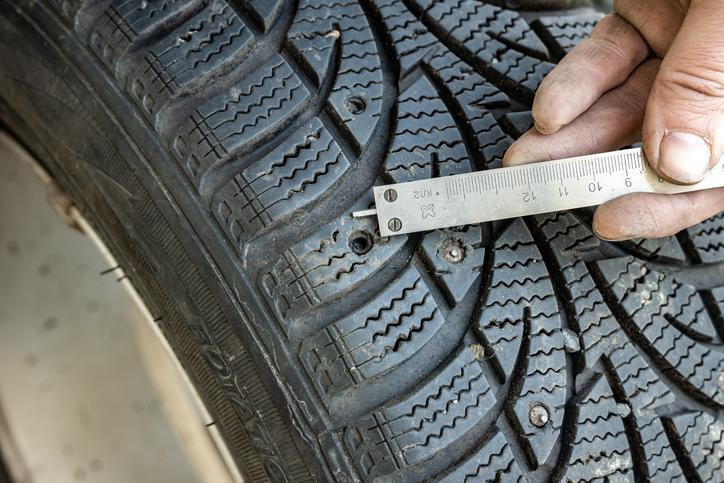
Studded vs Winter Tires: What’s the Difference?
The main difference between studded vs winter tires is how they provide traction, particularly on ice.
Conventional studless winter tires use specialized rubber compounds and tread designs to maintain flexibility and grip in cold conditions. Their grooves and biting edges help manage snow, slush, and icy surfaces.
Studded winter tires add small metal studs that can bite into ice, providing additional traction in certain conditions.
However, studs do not automatically make a tire the better choice for every driver.
| Studded tires | Studless winter tires |
|---|---|
| Metal studs can improve traction on ice | Specialized rubber and tread designs provide winter traction without studs |
| Subject to Quebec’s October 15–May 1 restriction | Can be used outside the mandatory winter tire period |
| May produce more road noise | Generally quieter on cleared pavement |
| Require attention to stud condition and installation rules | Require appropriate winter certification and tread condition |
Both options can satisfy Quebec’s winter tire requirement when they meet the applicable standards.
Mechanics can help customers understand the differences without suggesting that one tire type guarantees safe handling in every winter condition.
What Should Mechanics Check Before Installing Studded Tires?
A thorough installation begins before the vehicle enters the service bay. Technicians should confirm the tire specifications, inspect their condition, and identify potential compliance concerns.
A practical winter installation checklist includes:
- Confirm the installation date: Check that the intended use falls within the October 15–May 1 period.
- Verify vehicle eligibility: Confirm that the vehicle belongs to a category permitted to use studded tires.
- Inspect the tire arrangement: Ensure studs are fitted at both ends of each affected axle and that front studs are accompanied by rear studs.
- Measure tread depth: Check for uneven wear and adequate remaining tread. Quebec’s legal minimum is 1.6 mm, but the SAAQ recommends at least 4.8 mm when winter tires are installed.
- Examine studs and tire condition: Look for missing or damaged studs, cuts, bulges, and other signs of deterioration.
- Check tire specifications: Confirm appropriate size, load rating, speed rating, and compatibility with the vehicle manufacturer’s recommendations.
- Complete installation checks: Set cold tire pressures, tighten wheel fasteners to specification, and follow the appropriate wheel installation procedures.
These checks help technicians distinguish a legally permitted tire from one that is also suitable for safe service.
Why Do Tread Depth and Stud Condition Matter?
Studded tires still depend on their rubber tread to provide traction and channel snow and slush away from the contact patch. Worn tread can reduce winter performance even when some studs remain in place.
The SAAQ recommends a tread depth of at least 4.8 mm (6/32 inch) when installing used winter tires. Technicians should measure several grooves across each tire rather than relying on a single reading.
Stud condition also deserves attention. Missing, unevenly worn, or damaged studs may affect performance, while visible tire damage can indicate that replacement is necessary.
A technician should evaluate the tire as a complete assembly, not simply count the remaining studs.
How Can Mechanics Explain Studded Tire Rules to Customers?
Clear communication is part of a successful winter service appointment. A customer may believe that studded tires are mandatory in Quebec or that they can remain installed until warm weather arrives. Others may not realize that restrictions apply to vehicle categories and axle arrangements.
Mechanics should explain the applicable rules, document relevant inspection findings, and recommend suitable options based on the vehicle and driving conditions.
These responsibilities demonstrate how technical knowledge and customer service intersect. Auto mechanic school students can begin to appreciate why routine maintenance requires attention to both mechanical condition and provincial requirements.
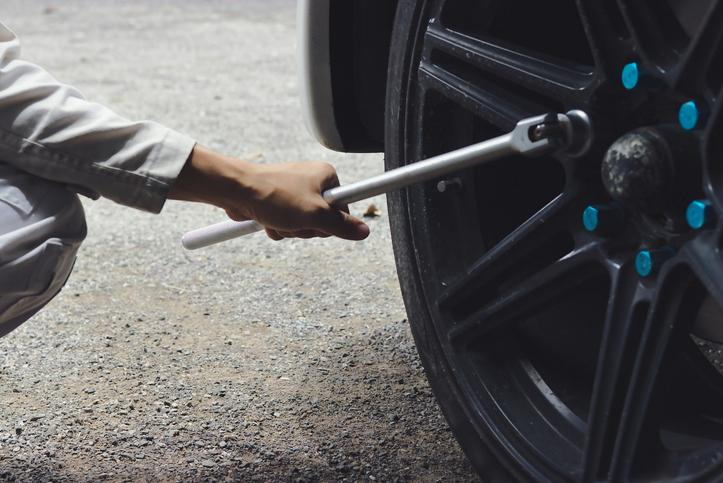
Why Are Winter Tire Inspections Important for Future Automotive Technicians?
Seasonal tire work teaches skills that extend beyond wheel changes. Technicians must interpret specifications, recognize wear patterns, follow tightening procedures, and communicate safety concerns accurately.
These habits also support more advanced service work, where mechanical, electrical, and electronic systems must be evaluated together.
Our automotive school provides a pathway for developing foundational vehicle service knowledge. Students interested in newer powertrain technologies can also explore hybrid and electrical mechanic training as part of their broader professional development.
Explore Automotive Training at ATC Montreal
Understanding Quebec’s studded tire rules is one example of the practical knowledge mechanics use to support safe, compliant vehicle maintenance. Explore ATC Montreal’s auto mechanic training opportunities to learn more about vehicle inspection, maintenance procedures, and the technical skills involved in automotive service.
Would you like to explore automotive training opportunities at our auto mechanic school?
Contact ATC Montreal for more information.
Key Takeaways
- Studded tires in Quebec are permitted from October 15 to May 1, inclusive.
- Winter tires are mandatory for most Quebec-registered passenger vehicles from December 1 to March 15.
- Studded tires are optional, not mandatory.
- Permitted vehicles include passenger vehicles, taxis, and qualifying commercial vehicles with a total loaded mass not exceeding 3,000 kg.
- Studded tires must be installed at both ends of an axle, and front studs require studs on the rear axle.
- Mechanics should inspect tread depth, stud condition, tire compatibility, and wheel installation before returning a vehicle to service.
- Understanding provincial requirements is an important part of professional automotive maintenance.
Frequently Asked Questions
When are studded tires allowed in Quebec?
Studded tires are permitted from October 15 to May 1, inclusive, on eligible vehicles. This is different from Quebec’s mandatory winter tire period, which runs from December 1 to March 15.
Are studded tires mandatory in Quebec?
No. Quebec requires compliant winter tires on most Quebec-registered passenger vehicles during the mandatory winter tire period, but drivers can choose studless winter tires instead of studded tires. Both types can satisfy the requirement when they meet applicable standards.
What vehicles can use studded tires in Quebec?
Studded tires are permitted on passenger vehicles, taxis and comparable vehicles, and commercial vehicles with a total loaded mass not exceeding 3,000 kg. They must be fitted at both ends of an axle, and front-axle studs require rear-axle studs.
What should mechanics check before installing studded tires?
Mechanics should verify the permitted dates, vehicle eligibility, axle arrangement, tire size, load and speed ratings, tread depth, stud condition, and overall tire integrity. They should also follow manufacturer procedures for tire pressure and wheel installation.


