Powertrain Control Modules: What They Do and Why Mechanics Diagnose Them
TL;DR: What is a Powertrain Module?
The powertrain control module (PCM) is one of the most important computers in a modern vehicle. It monitors sensors, controls engine and transmission functions, and helps optimize performance, fuel economy, and emissions. Understanding what a powertrain module is and how technicians diagnose PCM-related problems is an essential skill for future automotive service professionals.
What is a powertrain module? Many vehicle problems are no longer caused by worn mechanical parts alone. Poor acceleration, rough shifting, warning lights, or increased fuel consumption may all trace back to electronic systems communicating through the powertrain control module.
For students preparing for auto careers, learning how these systems work is an important step toward becoming a confident diagnostic technician.
What Is a Powertrain Module?
A powertrain module, commonly called the Powertrain Control Module (PCM), is a computer that manages the operation of the engine and transmission by processing information from dozens of sensors throughout the vehicle.
The PCM constantly receives data from components such as the oxygen sensors, crankshaft position sensor, throttle position sensor, coolant temperature sensor, and mass airflow sensor. It uses this information to adjust ignition timing, fuel delivery, transmission shifting, and other operating functions.
At our auto mechanic school, students learn that understanding electronic control systems is just as important as understanding mechanical repairs.
What Does the Powertrain Control Module Control?
The powertrain control module controls engine performance, fuel injection, ignition timing, transmission operation, emissions systems, and communication with other onboard computers.
To understand its role, it helps to know what a powertrain is. The powertrain includes the engine, transmission, and the components that generate and deliver power to the wheels. The PCM acts as the central controller that helps these systems work together efficiently.
On many vehicles, the PCM also communicates with systems such as traction control, stability control, anti-lock brakes, and advanced driver assistance technologies.
Can a Bad Powertrain Module Cause Drivability Problems?
Yes. Although sensor failures or wiring issues are often more common, a faulty PCM can contribute to drivability problems.
Possible symptoms include:
- Check Engine Light illumination
- Hard starting or no-start conditions
- Poor fuel economy
- Rough idling
- Hesitation during acceleration
- Harsh or delayed transmission shifting
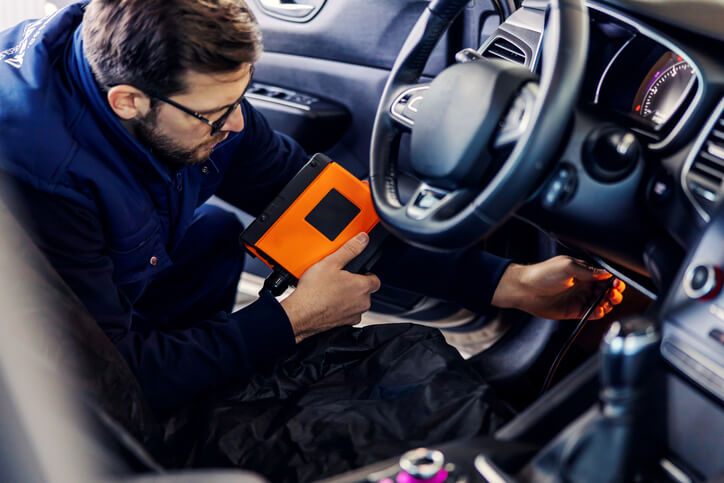
Before replacing a PCM, technicians carefully test power supplies, grounds, wiring, sensors, and communication networks. Proper diagnosis prevents unnecessary repairs and saves customers time and money.
Do Auto Mechanic Programs Teach Module Diagnostics?
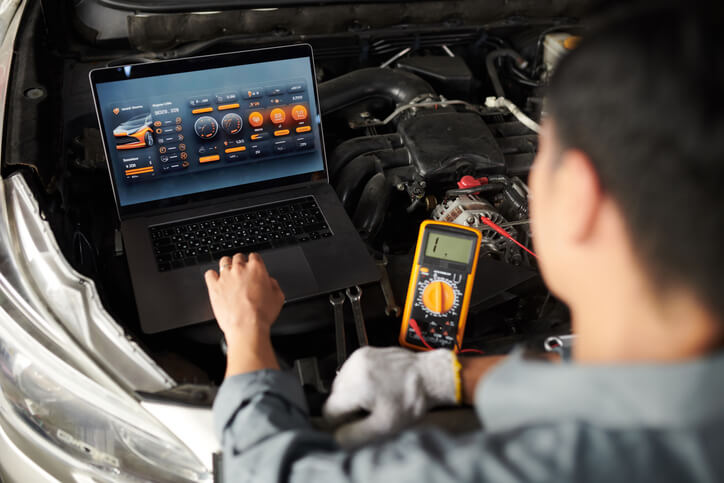
Yes. Automotive training introduces students to scan tools, diagnostic software, electrical testing, and electronic control systems used on modern vehicles.
As part of our automotive school program, students learn how to retrieve diagnostic trouble codes (DTCs), interpret live sensor data, test electrical circuits, and follow manufacturer diagnostic procedures. They also develop an understanding of what an automotive powertrain is and how electronic controls affect overall vehicle performance.
These skills prepare graduates to diagnose increasingly sophisticated vehicle systems with confidence.

Preparing for Modern Automotive Careers
Electronic control modules have transformed the way vehicles are diagnosed and repaired. Rather than relying solely on mechanical inspections, technicians now combine traditional repair knowledge with computer diagnostics to solve complex problems.
Understanding what a powertrain module is helps students build the technical foundation needed for successful auto careers. As automotive technology continues to evolve, strong diagnostic skills will remain one of the most valuable assets a technician can develop.
Do you want to explore training opportunities at our auto mechanic school?
Contact ATC Montreal for more information.
Key Takeaways
- “What is a powertrain module?” is a common question for students entering automotive technology.
- The PCM controls many engine and transmission functions using information from vehicle sensors.
- The powertrain includes the engine, transmission, and related components that deliver power to the wheels.
- Many drivability problems require careful electronic diagnosis before parts are replaced.
- Modern automotive technicians rely on scan tools and electrical testing every day.
- Hands-on training helps students prepare for evolving auto careers.
FAQ
What Is a Powertrain Module?
A powertrain module is the vehicle computer that manages engine and transmission operation by processing information from numerous sensors.
What Does the Powertrain Control Module Control?
The PCM controls fuel injection, ignition timing, transmission shifting, emissions systems, and other engine management functions.
Can a Bad Powertrain Module Cause Drivability Problems?
Yes. A faulty PCM can contribute to poor performance, starting problems, rough operation, and transmission issues, although proper diagnosis is essential before replacement.
Do Auto Mechanic Programs Teach Module Diagnostics?
Yes. Automotive programs teach students how to use scan tools, interpret diagnostic trouble codes, test electrical systems, and diagnose electronic control modules.