Powertrain Basics: What Future Automotive Service Technicians Learn
TL;DR
The powertrain includes the components that generate power and deliver it to a vehicle’s wheels. This typically includes the engine, transmission, driveshafts, differentials, and related systems. Understanding how these components work together helps future technicians diagnose problems, perform repairs, and build a strong foundation in automotive service.
Every vehicle, whether powered by gasoline, diesel, electricity, or a combination of these technologies, relies on a system that turns energy into motion. When drivers accelerate, climb a hill, or tow a trailer, multiple components work together behind the scenes to deliver power to the wheels.
Understanding the powertrain is one of the most important steps in learning how vehicles operate. From the engine and transmission to the differential and axles, these systems play a critical role in vehicle performance, efficiency, and drivability.
For students preparing for careers in automotive service, powertrain knowledge provides a foundation for diagnosing problems, performing repairs, and understanding how modern vehicles function. For students attending an auto mechanic school in Surrey or exploring a future in automotive service, mastering these basics can help build the confidence needed for more advanced training.
What Is a Powertrain?
A powertrain is the collection of components responsible for generating power and delivering it to the wheels.
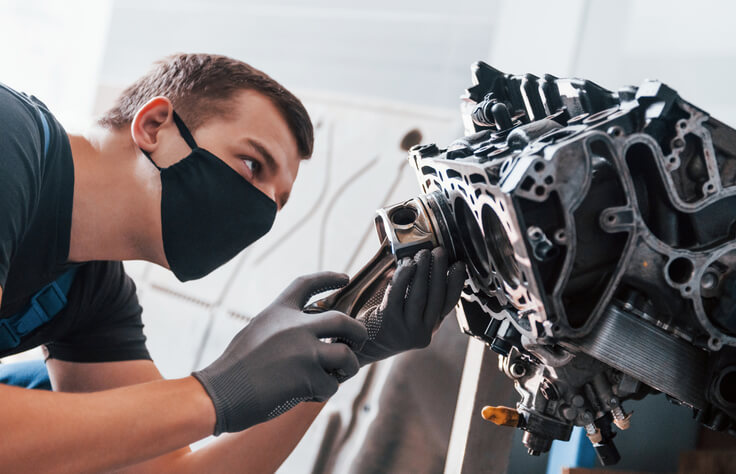
When people ask what an automotive powertrain is, they are referring to the systems that transform engine output into vehicle movement. In most vehicles, the powertrain includes the engine, transmission, driveshafts, axles, differentials, and electronic control systems that help manage performance.
Modern vehicles may also include hybrid or electric powertrain components such as electric motors, battery systems, and power electronics.
Understanding what the powertrain in automotive systems does helps technicians see how various mechanical and electronic components work together to create motion.
What Parts Are Included in the Powertrain?
While designs vary between vehicles, most powertrains contain several major components.
These commonly include:
- Engine or electric motor
- Transmission
- Transfer case (on some vehicles)
- Driveshaft
- Differential
- Axles
- Electronic control modules
Each component plays a specific role in transferring power from the engine or motor to the wheels.
When technicians diagnose drivability concerns, they often inspect multiple powertrain components because a problem in one area can affect overall vehicle performance.
Students enrolled in our auto mechanic course quickly learn that understanding these relationships is essential for efficient troubleshooting.
How Is the Powertrain Different From the Drivetrain?
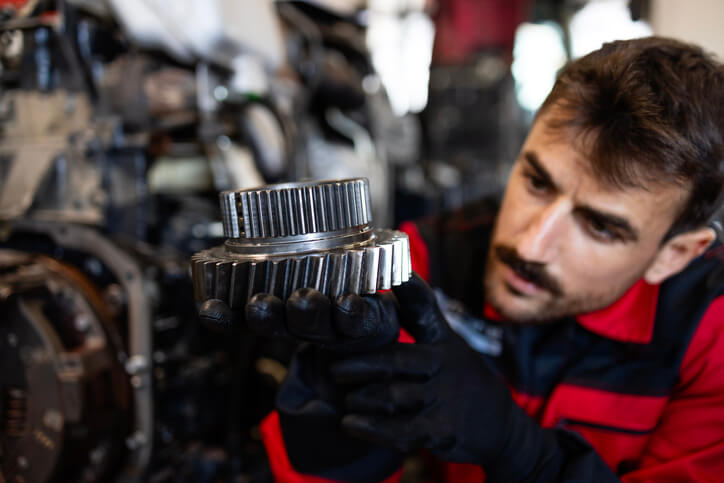
Although the terms are often used interchangeably, they are not the same. The powertrain includes both the engine and the components that transfer power to the wheels. The drivetrain, on the other hand, generally refers only to the components that deliver power after it leaves the engine.
For example:
- Powertrain = Engine + Transmission + Drivetrain Components
- Drivetrain = components that transfer power to the wheels, often including the transmission, driveshaft, differential, and axles
Understanding this distinction helps technicians communicate accurately during diagnostics and repairs.
Why Do Automotive Service Technicians Study Powertrain Systems?
Because many vehicle performance issues originate within the powertrain. Technicians regularly diagnose concerns such as:
- Poor acceleration
- Transmission shifting problems
- Vibration complaints
- Power loss
- Driveline noises
- Warning lights and fault codes
Learning how powertrain systems interact allows technicians to identify root causes rather than simply replacing parts.
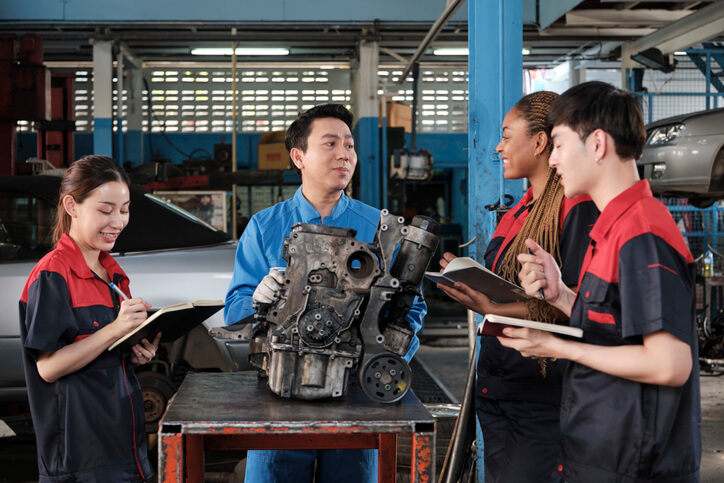
Students enrolled in our Automotive Service Technician Foundation program spend significant time studying engine operation, transmission systems, driveline components, and electronic controls because these systems are central to modern vehicle repair.
Why Powertrain Knowledge Matters
As vehicles continue to evolve, powertrains are becoming more sophisticated. Today’s technicians may work on gasoline engines, diesel engines, hybrids, plug-in hybrids, and fully electric vehicles.
While technologies change, the fundamental goal remains the same: to create power and deliver it efficiently to the wheels.
Understanding what powertrains in car systems are helps future technicians build the knowledge needed to diagnose, repair, and maintain a wide variety of vehicles throughout their careers.
Interested in exploring automotive training programs at our auto mechanic school in Surrey?
Contact ATC Surrey for more information.
Key Takeaways
- The powertrain includes the systems that generate and deliver vehicle power.
- Major components include the engine, transmission, differential, driveshaft, and axles.
- Understanding what an automotive powertrain is helps technicians diagnose vehicle performance concerns.
- The powertrain includes the engine, while the drivetrain generally refers only to power-delivery components.
- Powertrain diagnostics are a major part of professional automotive service.
- Students in an Automotive Service Technician Foundation program learn how these systems work together to move a vehicle.
FAQ
What Is a Powertrain?
A powertrain is the group of components that generate power and transfer it to a vehicle’s wheels, including the engine, transmission, and related systems.
What Parts Are Included in the Powertrain?
Most powertrains include the engine, transmission, driveshaft, differential, axles, and various electronic control systems.
How Is the Powertrain Different From the Drivetrain?
The powertrain includes both the engine and the components that transfer power, while the drivetrain generally refers only to the components that deliver power from the transmission to the wheels.
Why Do Automotive Service Technicians Study Powertrain Systems?
Technicians study powertrain systems because many vehicle performance, drivability, and diagnostic concerns originate within these systems.