
Power Steering Fluid: What It Does, Warning Signs, and Service Basics
TL;DR
Learning how to check power steering fluid is an important part of vehicle maintenance and steering system diagnostics. Power steering fluid helps reduce friction and allows drivers to steer smoothly and safely. Technicians inspect fluid level, condition, colour, and leaks while looking for warning signs like noise, stiffness, or difficult steering.
Most drivers do not think much about their power steering system, at least not until steering suddenly feels heavier, noisier, or less responsive. That is why understanding how to check power steering fluid matters for both vehicle owners and future technicians.
Power steering fluid plays a major role in helping the steering system operate smoothly while protecting internal components from excessive wear. For students entering the automotive industry, learning basic steering system inspections is one of the many foundational skills developed during training.
What Does Power Steering Fluid Do?
Power steering fluid acts as a hydraulic fluid, transferring pressure through the steering system. In hydraulic power steering systems, the fluid helps drivers turn the steering wheel more easily while also lubricating and protecting system components.
Without proper fluid levels or clean fluid condition, steering effort can increase, and components may wear prematurely.
Modern vehicles may use electric power steering systems instead of hydraulic systems, but many vehicles on the road today still rely on hydraulic steering fluid for normal operation. Students attending ATC Auto mechanic school in Surrey often begin learning steering diagnostics by first understanding how these hydraulic systems function.
How to Check Power Steering Fluid
One of the most common maintenance questions drivers ask is: ” How do you check power steering fluid?”
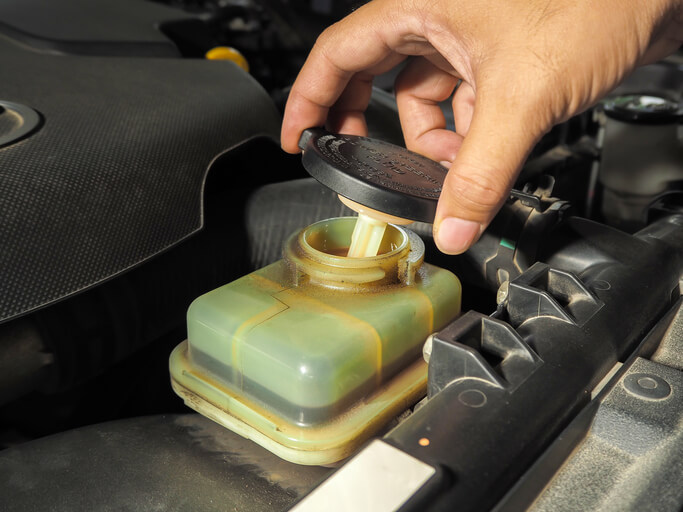
Technicians usually begin by locating the power steering fluid reservoir under the hood. Depending on the vehicle, the reservoir may include level markings directly on the side or on the dipstick attached to the cap.
The vehicle should normally be parked on a level surface before checking fluid levels. Technicians then inspect both the fluid level and overall condition.
When learning how to check power steering fluid, students at ATC auto mechanic school in Surrey also learn to watch for leaks around hoses, pumps, seals, and steering components because low fluid often points to an underlying problem.
What Colour Is Power Steering Fluid?
Fresh power steering fluid is usually red, pink, or light amber, depending on the manufacturer and fluid type. Over time, however, the fluid may darken due to heat, contamination, or normal wear.
Fluid that appears very dark, burnt, dirty, or that contains metal debris may indicate the system needs service or further inspection. Technicians also pay attention to fluid smell and consistency during inspections because these details can sometimes reveal overheating or internal component wear.
Students enrolled in ATC’s Automotive Service Technician Foundation program explore how fluid condition helps technicians identify early steering system problems before major repairs become necessary.

How Do You Know If Power Steering Fluid Is Low?
Low power steering fluid often creates noticeable symptoms while driving.
Drivers may experience whining noises while turning, stiff steering effort, vibration in the steering wheel, or inconsistent steering response. In some cases, fluid leaks may also appear underneath the vehicle near steering components.
Technicians never assume low fluid is the only issue, though. Part of proper diagnostics involves identifying why fluid levels dropped in the first place.
How Do You Change Power Steering Fluid?
The process varies depending on the vehicle design, but technicians generally remove old fluid from the reservoir, refill the system with manufacturer-approved fluid, and bleed air from the steering system afterwards.
Some vehicles may require flushing procedures to fully remove contaminated fluid from the system. Because steering systems operate under pressure, technicians follow manufacturer service procedures carefully during maintenance.
Are you looking for a comprehensive auto mechanic course?
Contact ATC Surrey for more information.
Key Takeaways
- Understanding how to check power steering fluid helps technicians identify steering system issues early
- Power steering fluid supports hydraulic steering operation and component protection
- Low or contaminated fluid can create noise, stiffness, and steering problems
- Technicians inspect fluid level, colour, leaks, and system condition during service
- Proper steering system maintenance helps reduce long-term component wear
FAQ
How do you check power steering fluid?
Technicians locate the fluid reservoir, inspect the level markings, and check the fluid’s condition while looking for possible leaks.
What colour is power steering fluid?
Fresh power steering fluid is commonly red, pink, or amber, although colour can vary depending on the manufacturer.
How do you change power steering fluid?
Changing power steering fluid typically involves removing old fluid, refilling the system, and bleeding trapped air from the steering system.
How do you know if the power steering fluid is low?
Low fluid may cause whining noises, stiff steering, vibration, or inconsistent steering response during driving.