
Power Steering Fluid vs ATF: Can One Safely Replace the Other?
In Brief: Power Steering Fluid Vs Transmission Fluid
Understanding power steering fluid vs transmission fluid is an important skill for future automotive technicians. While some vehicles are designed to use automatic transmission fluid in the power steering system, many require a dedicated power steering fluid. Learning to verify the manufacturer’s specifications before adding any fluid helps prevent steering problems and costly repairs.
It’s a question many new technicians hear in the shop: “Can I just top it up with transmission fluid?” The answer isn’t always straightforward. Some manufacturers specify automatic transmission fluid (ATF) for their hydraulic power steering systems, while others require a dedicated power steering fluid with a completely different formulation.
That’s why students in our Automotive Service Technician Foundation program quickly learn that choosing the correct fluid is about following the manufacturer’s recommendations every time. Even a simple fluid top-up should begin with checking the service information, because using the wrong product can affect system performance and shorten the life of expensive steering components.
Power Steering Fluid Vs Transmission Fluid: Are They The Same?
Is power steering fluid the same as transmission fluid? No. Although both are hydraulic fluids, they are designed for different purposes and should never be considered universally interchangeable.
Some manufacturers specify certain ATF products for their power steering systems, while others require specially formulated power steering oil. The additives, viscosity, friction characteristics, and seal compatibility can vary significantly between products.
Professional technicians never assume two fluids are compatible simply because they look similar or are both hydraulic oils. Instead, they verify the manufacturer’s specifications before performing any service. Developing this habit early helps prevent avoidable repairs and builds the attention to detail expected in professional automotive shops.
At ATC auto mechanic school in Surrey, students gain hands-on experience identifying steering system components, consulting manufacturer service information, and performing fluid inspections using industry-standard procedures.
Can ATF Be Used in Every Power Steering System?
No. ATF should only be used if the vehicle manufacturer specifically approves it.
Using the wrong fluid may affect:
- Steering feel
- Pump lubrication
- Seal performance
- Hydraulic pressure
- Long-term system reliability
Many newer vehicles also use electric power steering, which doesn’t rely on hydraulic fluid at all. Before adding or replacing fluid, technicians first identify whether the vehicle uses a hydraulic or electric steering system. This simple step prevents unnecessary work and ensures the correct maintenance procedures are followed.
What Can Happen When the Wrong Steering Fluid Is Added?
Incorrect fluid can reduce steering system performance and may damage hydraulic components over time.
Possible symptoms include:
- Whining or noisy steering pump
- Increased steering effort
- Fluid leaks caused by damaged seals
- Aerated or foaming fluid
- Premature wear of steering components
Students also learn that the colour of power steering fluid is not a reliable indicator of the correct product. Different manufacturers use different dyes, and fluids with similar colours may have completely different chemical formulations.
While fluid colour may help identify contamination or indicate that a fluid has deteriorated, technicians rely on service information, not appearance, when selecting replacement fluids.

Why Do Technicians Check Vehicle Specifications Before Selecting a Fluid?
Manufacturer service information identifies the exact fluid required for safe and reliable operation.
Before servicing a steering system, technicians verify:
- The recommended fluid specification
- Whether ATF or dedicated power steering fluid is required
- Fluid capacity
- Proper bleeding procedures
- Any manufacturer-specific service precautions
Technicians may also inspect hoses, fittings, the drive belt (where applicable), and the condition of the fluid before recommending repairs. Looking at the entire steering system, not just the reservoir, helps identify leaks, worn components, or contamination that could affect performance.
These careful inspection steps help prevent expensive steering system damage and ensure the repair is completed the first time correctly. Students completing an auto mechanic course develop this habit early because accurate repairs begin with accurate information, not assumptions.
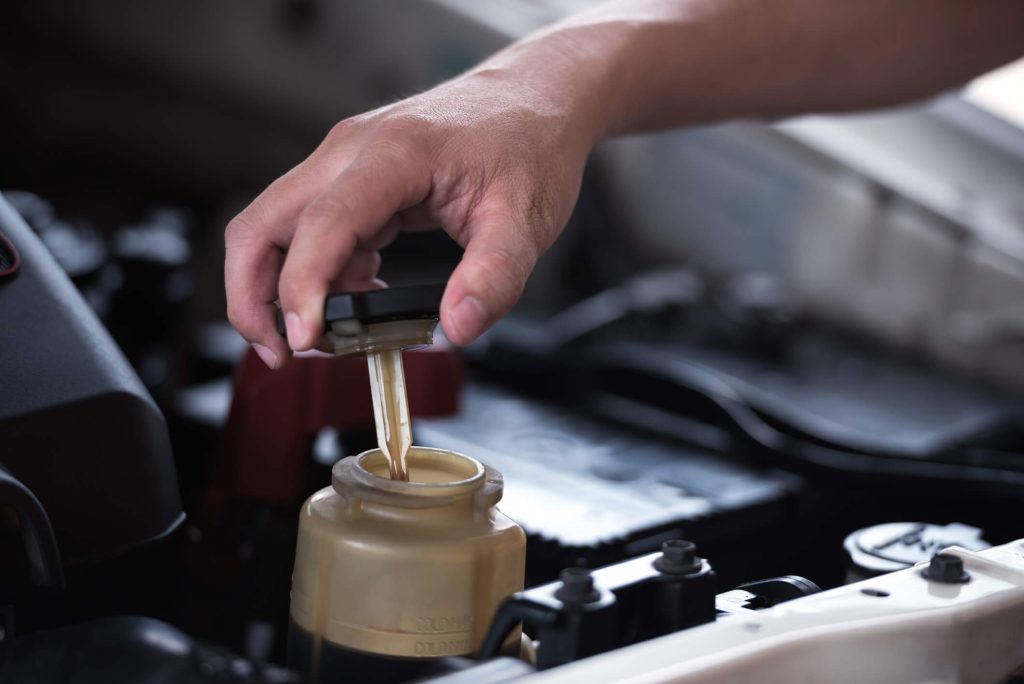
Good Automotive Technicians Don’t Guess, They Verify
Modern vehicles rely on specialized fluids designed for specific systems. One vehicle may require ATF in the power steering system, while another may require a dedicated hydraulic fluid, or no hydraulic fluid at all. Learning how and why different fluids are specified helps future technicians develop the diagnostic mindset employers value.
Whether they’re servicing a family sedan or a light-duty truck, following the manufacturer’s recommendations remains one of the simplest and most important ways to protect vehicle reliability and customer confidence.
Are you looking for a comprehensive Automotive Service Technician Foundation program?
Contact ATC Surrey for more information.
Key Takeaways
- Understanding power steering fluid vs transmission fluid helps prevent steering system damage.
- Not every vehicle uses the same power steering fluid.
- Power steering fluid colour should never be used to identify the correct fluid.
- Manufacturer specifications determine whether ATF or dedicated power steering oil is required.
- Hands-on automotive training teaches students to verify information before every repair.
FAQ
Is power steering fluid the same as transmission fluid?
No. Although some manufacturers specify automatic transmission fluid for certain power steering systems, many require a dedicated power steering fluid. Always follow the manufacturer’s recommendations.
Can ATF be used in every power steering system?
No. ATF should only be used when the vehicle manufacturer specifically approves it. Using the wrong fluid can affect steering performance and component durability.
What can happen when the wrong steering fluid is added?
Incorrect fluid may cause pump noise, heavier steering, seal damage, leaks, foaming, and premature wear of hydraulic components.
Why do technicians check vehicle specifications before selecting a fluid?
Manufacturer specifications identify the correct fluid, service procedures, and system requirements, helping technicians avoid compatibility issues and protect the steering system.