Parasitic Draw Test: How Techs Find Battery Drains Without Guessing
TL;DR
A parasitic draw test is essential for diagnosing battery drains in modern vehicles. Technicians measure electrical current, isolate circuits, and confirm the root cause without guesswork. This process is a core part of automotive diagnostics and is taught in professional auto mechanic training programs.
A dead battery in the morning often points to an issue that isn’t immediately visible. This is where a parasitic draw test becomes essential. Instead of guessing which component is responsible, technicians use precise automotive diagnostics to measure electrical draw and identify the source of the problem.
Modern vehicles rely on complex systems, including the battery management system, which continues to draw small amounts of power even when the vehicle is off. While some draw is normal, excessive current can drain the battery overnight.
Learning how to perform a parasitic draw test is a foundational skill in auto mechanic training, helping technicians move from symptoms to accurate, repeatable fixes.
What Is Parasitic Draw and What’s Considered Normal?
What is parasitic draw, and what’s considered normal?
Parasitic draw refers to the electrical current that continues to flow from the battery when the vehicle is turned off. This includes systems such as clocks, security modules, and onboard computers that require constant power.
In most vehicles, a small amount of draw is expected and considered normal. However, when the current exceeds typical levels, it can lead to battery drain over time. The challenge for technicians is determining whether the draw falls within an acceptable range or indicates a fault.
This is where a parasitic draw test provides clarity by measuring actual current flow and comparing it to expected values.
Why Modern Vehicles Can Drain Batteries Overnight
Why can modern vehicles drain batteries even when off?
As you’ll discover in auto mechanic training, today’s vehicles are equipped with numerous electronic systems that remain partially active even when the engine is not running. These systems communicate through networks like the onboard modules and are managed by the battery management system.
If a module fails to enter sleep mode or continues to draw power unnecessarily, it can create a drain that slowly depletes the battery. In some cases, aftermarket accessories or wiring issues can also contribute to the problem.
Because of this complexity, technicians rely on structured automotive diagnostics rather than assumptions. Even a small fault can lead to significant battery loss if left unresolved.
How a Parasitic Draw Test Works
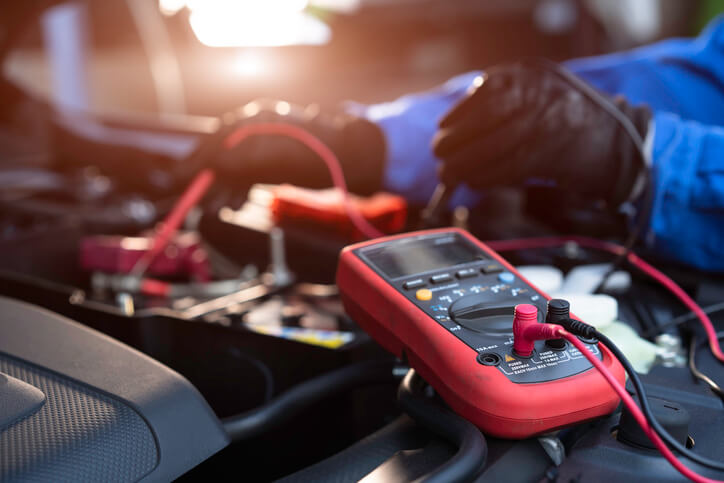
A parasitic draw test involves measuring the electrical current flowing from the battery while the vehicle is off. Technicians typically use a multimeter to monitor the current and observe how it changes over time as systems power down.
The process requires patience, as modern vehicles may take several minutes to enter sleep mode. Once the baseline draw is established, technicians begin isolating circuits to identify the source of excessive current.
While tools like an OBD2 scanner can assist with identifying related faults or diagnostic trouble codes, the parasitic draw test itself focuses on direct electrical measurement rather than stored data.
Safely Isolating the Faulty Circuit
What’s the safest way to isolate the circuit causing the drain?
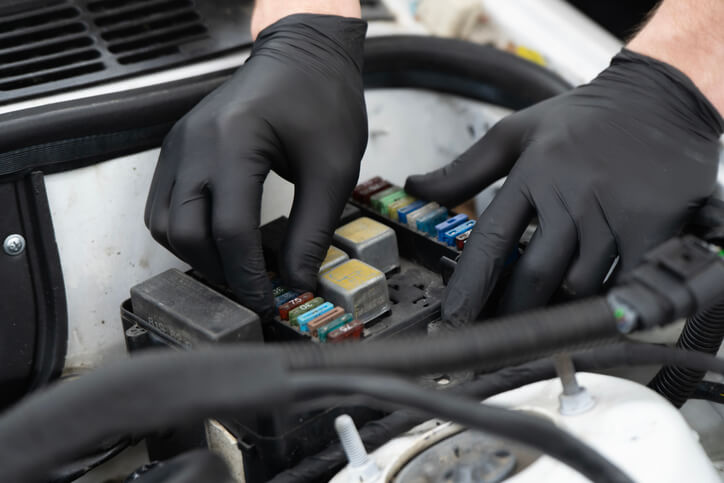
After confirming excessive draw, the next step is isolating the circuit responsible. This is typically done by removing fuses one at a time and observing changes in current. When the draw drops significantly, the technician knows the issue lies within that circuit.
This process must be done carefully to avoid damaging sensitive electronics. In some cases, tools like a megohmmeter may be used to further evaluate insulation or wiring integrity, especially if the issue involves hidden electrical faults.
A methodical approach ensures the correct component is identified, reducing the risk of unnecessary repairs.

Do Training Programs Teach Battery Drain Diagnostics?
Do technician programs teach electrical battery-drain diagnosis?
Yes. Learning how to perform a parasitic draw test is a key part of any Automotive Service Technician Foundation program. Students are trained to use diagnostic tools, interpret electrical data, and follow structured troubleshooting steps.
In our auto mechanic school in Surrey, hands-on training allows students to practice real-world diagnostics, including identifying battery drains and understanding how electrical systems interact.
This training is essential, as modern vehicles depend heavily on electronics. Strong diagnostic skills allow technicians to work efficiently and confidently in a rapidly evolving industry.
Are you looking for a comprehensive Automotive Service Technician Foundation program?
Contact ATC Surrey for more information.
Key Takeaways
- A parasitic draw test helps identify hidden battery drains in vehicles
- Some electrical draw is normal, but excessive current indicates a fault
- Modern vehicles rely on systems that can contribute to battery drain if malfunctioning
- Isolating circuits is key to identifying the root cause
- Electrical diagnostics are a core skill taught in auto mechanic training
FAQ
What is parasitic draw, and what’s considered normal?
Parasitic draw is the electrical current used when a vehicle is off. A small amount is normal, but excessive draw can drain the battery.
Why can modern vehicles drain batteries even when off?
Electronic systems and modules may continue drawing power or fail to shut down properly, causing battery drain.
What’s the safest way to isolate the circuit causing the drain?
Technicians remove fuses one at a time while monitoring current to identify the faulty circuit.
Do technician programs teach electrical battery-drain diagnosis?
Yes, parasitic draw testing and electrical diagnostics are core components of automotive training programs.