OBD2 Scanner Basics: The First Diagnostic Skill Every New Technician Should Master
TL;DR
Understanding how an OBD2 scanner works is one of the first essential skills in automotive diagnostics. These tools read diagnostic trouble codes, access live data, and communicate through the CAN bus system to help identify vehicle issues. Mastering this process is a core part of modern auto mechanic training.
Modern vehicles rely heavily on electronic systems, making tools like the OBD2 scanner essential for accurate diagnosis. For anyone entering the field as an automotive service technician, understanding how to interpret codes and data is one of the first practical skills you’ll develop.
Rather than relying on guesswork, today’s technicians use structured automotive diagnostics to identify issues quickly and efficiently. From reading diagnostic trouble codes to analyzing live sensor data, the OBD2 system provides critical insight into how a vehicle is performing.
This is why learning how to use an OBD2 scanner is a foundational part of any auto mechanic training program. It sets the stage for more advanced diagnostic work as vehicles become increasingly complex.
What Does an OBD2 Scanner Actually Do?
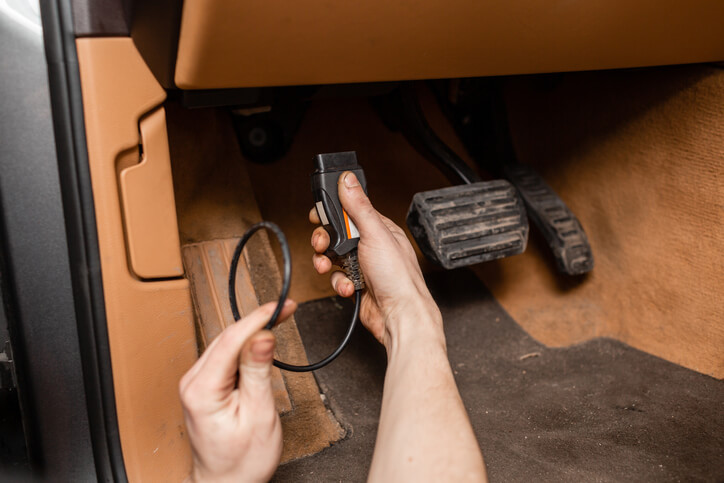
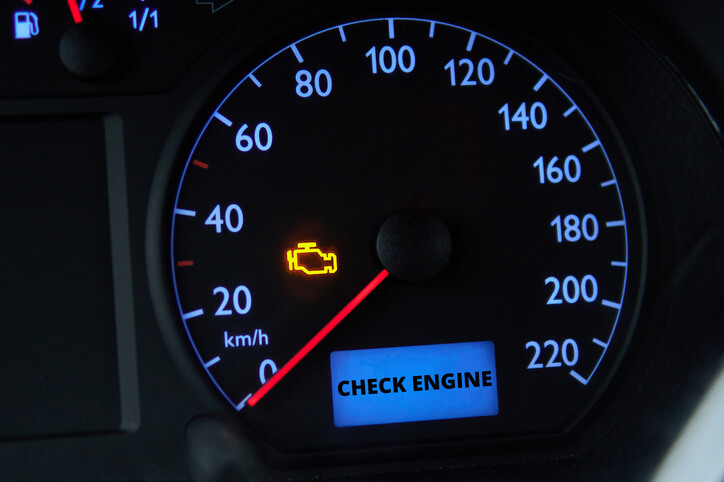
What can an OBD2 scanner tell you, and what can’t it tell you? An OBD2 scanner connects to a vehicle’s onboard computer through a standardized port, allowing technicians to access information about engine performance and system faults. When a problem occurs, the system generates diagnostic trouble codes, which provide a starting point for identifying the issue.
However, a scanner does not “fix” problems or provide a complete diagnosis on its own. It tells you where to begin, but further inspection and testing are always required. For example, a code may indicate an oxygen sensor issue, but the root cause could involve wiring, fuel delivery, or exhaust components.
Understanding this distinction is critical for new technicians, as effective diagnostics always go beyond simply reading codes.
Code Readers vs Professional Scan Tools
What’s the difference between a code reader and a professional scan tool? Not all OBD2 tools are the same. Basic code readers are designed to retrieve and clear diagnostic trouble codes, making them useful for simple tasks or entry-level use.
Professional scan tools, on the other hand, offer far more advanced capabilities. They allow technicians to access detailed system data, perform active tests, and monitor vehicle performance in real time. This is especially important in modern vehicles, where systems are interconnected through the CAN bus network.
For an aspiring professional undergoing automotive service technician training, learning to use professional-grade tools is essential. These tools provide deeper insight into vehicle systems and enable more accurate diagnostics.
Why Live Data Matters in Automotive Diagnostics
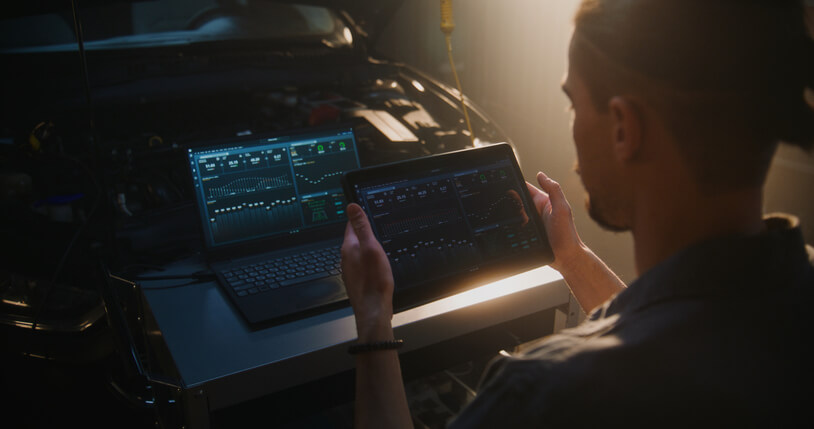
Why do technicians check live data instead of guessing from a code alone? Reading a code is only the first step. Experienced technicians rely heavily on live data to understand what is happening inside a vehicle at any given moment.
Live data shows real-time information from sensors, such as engine temperature, air-fuel ratios, and fuel trim levels. By analyzing this data, technicians can determine whether a component is functioning correctly or if a problem is developing elsewhere in the system.
This approach reduces guesswork and prevents unnecessary part replacements. It also reflects the shift toward data-driven automotive diagnostics, where understanding system behavior is just as important as identifying faults.
How the CAN Bus Connects Everything
Modern vehicles use a communication network known as the CAN bus, which allows different control modules to share information. This system connects components such as the engine, transmission, braking systems, and more.
The OBD2 scanner interacts with this network to gather data from multiple systems at once. This is why a single scan can reveal issues across different parts of the vehicle.
For new technicians, understanding how the CAN bus works is essential. It explains how vehicle systems communicate and why diagnostics often involve multiple interconnected components rather than a single isolated issue.
Is OBD2 Scanning Taught in Training Programs?
Is OBD2 scanning taught in automotive technician training programs? Yes. Learning to use an OBD2 scanner is a fundamental part of automotive service technician training at ATC. Students are introduced to diagnostic tools early in their education, allowing them to build confidence in reading codes and interpreting data.
Programs in auto mechanic school environments focus on both theory and hands-on practice. This ensures students understand not only how to operate diagnostic tools but also how to apply the information they provide.
As vehicles continue to evolve, this skill becomes even more important. Strong diagnostic ability is one of the defining traits of a successful technician in today’s industry.
Are you looking for comprehensive automotive training?
Contact ATC Toronto for more information.
Key Takeaways
- An OBD2 scanner is a core tool for modern automotive diagnostics
- Diagnostic trouble codes provide direction, but do not complete the diagnosis
- Professional scan tools offer deeper insight than basic code readers
- Live data analysis is essential for accurate troubleshooting
- Understanding the CAN bus is key to diagnosing interconnected vehicle systems
FAQ
What can an OBD2 scanner tell you, and what can’t it tell you?
It can retrieve diagnostic trouble codes and system data, but cannot fully diagnose or fix problems without further testing.
What’s the difference between a code reader and a professional scan tool?
Code readers provide basic information, while professional scan tools offer advanced diagnostics and live data analysis.
Why do technicians check live data instead of guessing from a code alone?
Live data shows real-time system performance, helping technicians identify root causes more accurately.
Is OBD2 scanning taught in automotive technician training programs?
Yes, it is a foundational skill taught early in automotive training programs.