
Montreal’s Public EV Charging Network: What Future Hybrid Technicians Should Know
What Mechanics Need to Know About EV charging stations in Montreal
- Montreal’s public charging options include on-street stations and chargers at other public locations.
- Circuit électrique is a major public charging network in Québec.
- Level 2 charging uses AC power, while DC fast chargers deliver DC power to compatible vehicles.
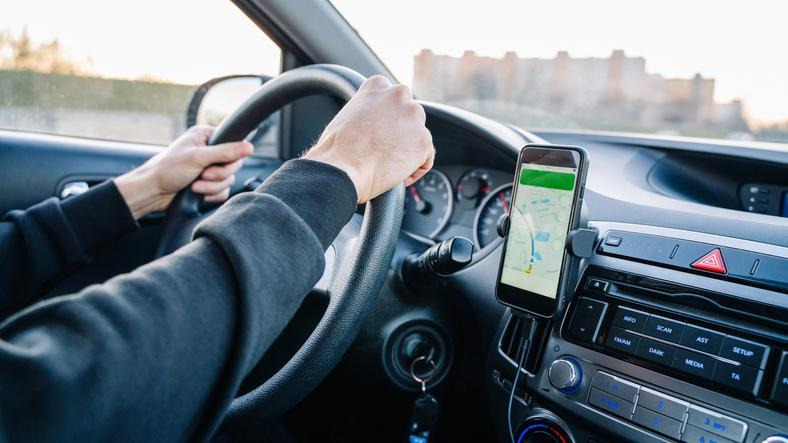
- Apps can help drivers locate chargers, check availability, and manage payment.
- Understanding charging networks and vehicle compatibility is useful for future technicians.
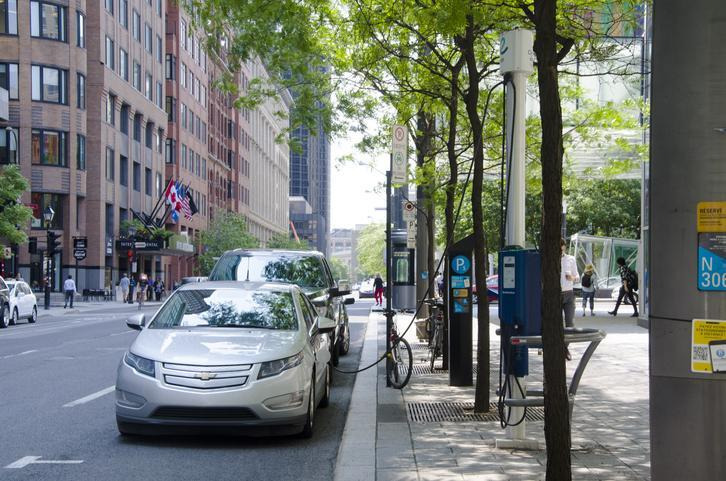
Montreal’s streets are becoming more familiar with electric vehicles, and charging stations are part of that everyday picture. You might notice a car plugged in along a residential street, outside a shopping centre, or at a highway rest stop.
For drivers, knowing where to charge is increasingly important. For aspiring automotive technicians, there’s another side to the story: understanding how public charging equipment communicates with a vehicle, why charging speeds differ, and what can go wrong when a charging session doesn’t start.
Here’s what future hybrid and electric vehicle technicians should know about EV charging stations in Montreal and the technology behind them.
Where Can Drivers Find Public EV Charging Stations in Montreal?
Drivers can find charging stations in Montreal along public streets, in parking facilities, and at participating commercial locations.
The Ville de Montréal’s public charging information explains the city’s approach to providing charging infrastructure. Drivers can also use interactive charging-network maps to find stations in specific neighbourhoods.
Before choosing an EV charger in Montreal, it’s worth checking the connector type, charging speed, operating status, and any parking restrictions. Not every station is suitable for every vehicle, and a charger shown on a map may be occupied or temporarily unavailable.
What Is the Circuit électrique Charging Network?
Circuit électrique is a public EV charging network established by Hydro-Québec. Its network includes Level 2 and fast-charging stations across Québec and beyond. The Circuit électrique app helps drivers locate participating chargers, review station details, and access charging services.
For someone new to public charging, the process generally involves finding a compatible station, connecting the vehicle, and starting the session through an accepted payment or authentication method.
For technicians, this introduces an important distinction: a charging problem isn’t always a vehicle problem. Sometimes the issue lies with the station, network connection, payment authorization, or communication between the charger and vehicle.
What Is the Difference Between Level 2 and DC Fast Charging?
The biggest difference is how electricity reaches the vehicle’s battery.
| Charging Type | How It Works | Typical Use |
| Level 2 charging | Supplies AC electricity, which the vehicle’s onboard charger converts to DC for the battery. | Longer parking periods, such as work, shopping, or overnight stays. |
| DC fast charging | Supplies DC electricity directly to the vehicle’s battery system, bypassing the onboard AC charger. | Shorter charging stops during longer journeys or when faster charging is needed. |
Actual charging speed depends on the station’s output, the vehicle’s charging capabilities, battery temperature, and state of charge. A plug-in hybrid may support Level 2 charging without supporting DC fast charging. Conventional hybrids, meanwhile, don’t plug into external charging stations.
These differences matter when a driver reports that a particular charger isn’t working with their vehicle.
How Do EV Charging Apps, Payments, and Network Roaming Work?
Public charging isn’t always as simple as plugging in and walking away. Depending on the station, drivers may start a session using an app, an RFID card, or another supported payment method. The charger must then complete the required authorization and vehicle communication steps before power delivery begins.
The Circuit électrique app provides access to participating stations and relevant charging information. However, payment options and session-start methods can vary by charger and operator.
Network roaming adds another layer. Some charging networks have agreements that let drivers access partner stations using an existing account or app, although coverage and conditions differ. Québec’s guidance on public charging provides useful background on locating and using stations away from home.
What Can Future Technicians Learn From Public Charging Problems?
Imagine a driver reports that their electric vehicle charges normally at home but refuses to start a session at a public station. It’s tempting to suspect the vehicle’s charging system immediately. But several possibilities need to be considered.
The connector may not be fully seated. The station could be out of service, the payment authorization might have failed, or the charger and vehicle may not be communicating correctly.
A technician should begin by gathering details:
- Does the problem happen at one station or several?
- Does the vehicle charge successfully using another compatible charger?
- Are warning messages or diagnostic trouble codes present?
- Does the charging connector lock and release as expected?
- Does the vehicle report a charging-system fault?
These questions help narrow the problem before any components are replaced. Understanding how electric car charging stations in Montreal operate gives future technicians useful context when investigating charging complaints. For anyone considering automotive training in Montreal, public charging is a practical example of how automotive technology continues to evolve.
Why Does Public EV Charging Matter for Automotive Students?
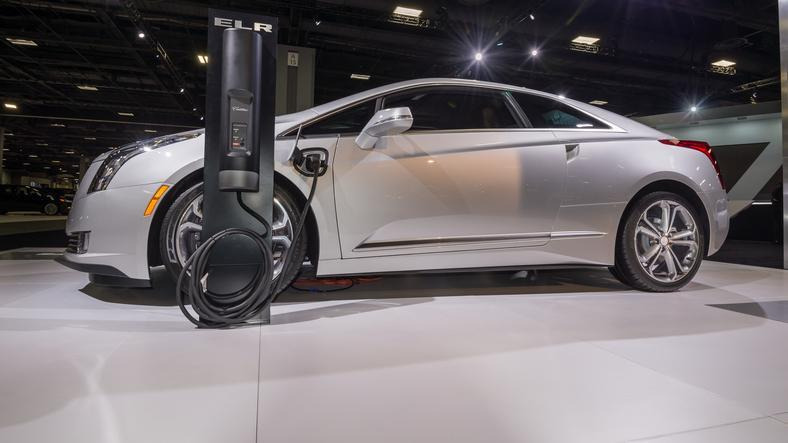
As charging equipment becomes more visible, technicians need to understand the relationship between the vehicle, its charging hardware, and the external equipment supplying power. That includes recognizing charging connectors, understanding the difference between AC and DC charging, and knowing when a fault may originate outside the vehicle.
Students interested in hybrid and electrical mechanic training can begin exploring the electrical systems and diagnostic principles involved in servicing modern vehicles.
Would you like to explore training opportunities at our auto mechanic school?
Contact ATC Montreal for more information.
Key Takeaways
- Montreal drivers can access public charging stations at street-side and other participating locations.
- Circuit électrique provides access to Level 2 and fast-charging stations.
- Charging speed depends on both the station and the vehicle.
- Apps, payment authorization, and network communication can affect whether charging begins.
- Technicians need to distinguish charging-station problems from vehicle faults before recommending repairs.
FAQ
Where Can Drivers Find Public EV Charging Stations in Montreal?
Drivers can find public charging stations on certain city streets, in parking facilities, and at participating commercial locations. Municipal information and charging-network maps can help locate available stations.
What Is the Circuit électrique Charging Network?
Circuit électrique is a public charging network established by Hydro-Québec. It provides access to Level 2 and fast-charging stations, with an app and other supported methods for locating and using chargers.
What Is the Difference Between Level 2 and DC Fast Charging?
Level 2 charging supplies AC electricity that the vehicle converts to DC through its onboard charger. DC fast charging supplies DC electricity directly to the battery system and can charge compatible vehicles more quickly.
How Do EV Charging Apps, Payments, and Network Roaming Work?
Apps can help drivers locate stations and initiate charging sessions. Payment and authentication methods depend on the operator, while roaming agreements may allow drivers to use participating partner networks through an existing account.


